1. Home
  2. Computing
  3. Gaming
  4. Legacy Archives

The Valve ‘Steam Box’ is finally unveiled, and nothing will ever be the same again

Add as a preferred source on Google
Image used with permission by copyright holder

While this should come as no surprise to those that follow gaming and especially Valve, the long discussed “Steam Box” has been unveiled at CES in Las Vegas. Although the name “Steam Box” was not mentioned in the official release, the unveiling finally gives us a look at what Valve’s Gabe Newell confirmed back in December, and what many (including us) think could change PC gaming – and by extension the entire gaming industry – for good.

The announcement today is the first step towards elevating the Steam Box beyond the realms of talk and design that it has firmly inhabited thus far. The name may change, and the specifics have yet to be discussed, but a prototype has been commissioned through the Salt Lake City-based Xi3. That coincides with the announcement that Valve has invested in the hardware manufacturer. 

Recommended Videos

Although still in the development stage, the device is being shown off at CES. It takes advantage of Valve’s “Big Picture” mode, which allows for games to be played on HD TVs. Combining that with the games available via Steam’s service, could make for some serious competition for the big three console makers, as well as retailers that thrive on physical media sales.

It’s far too early to start guessing about things like price and availability, but the hardware is essentially a vehicle for the successful Steam service, which could mean that the Steam Box (or whatever name it finally lands on), could be coming sooner than you think. It might even beat Microsoft and Sony to the punch, and introduce a new, legitimate contender in the next console war.

Ryan Fleming
Former Gaming/Movies Editor
Ryan Fleming is the Gaming and Cinema Editor for Digital Trends. He joined the DT staff in 2009 after spending time covering…
Topics
Asus’ latest Zenbook puts a seriously bright OLED screen inside an impossibly slim body
The Zenbook 14 Air is only 11mm thick but still packs a 77Wh battery
Computer, Electronics, Laptop

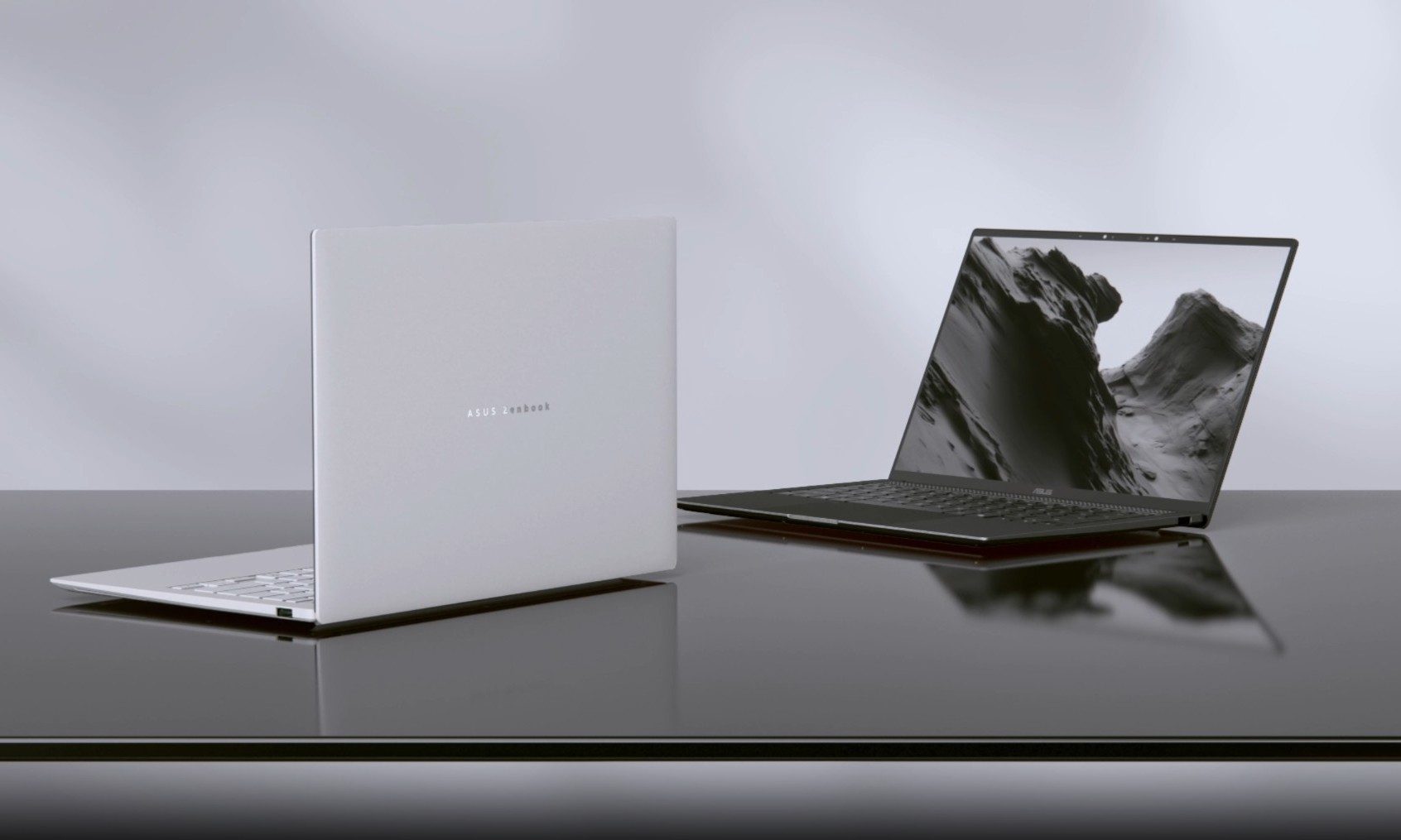
Asus has introduced a new AMD-powered version of the Zenbook 14 Air 2026, combining a bright OLED display and a large battery inside an 11mm-thick chassis. It weighs 1.19kg, keeping it firmly in ultraportable territory despite the 77Wh battery inside.

The Zenbook 14 Air 2026 itself is not entirely new. Asus launched an Intel configuration powered by the Core Ultra 9 386H in China back in January. The latest version switches to AMD’s Ryzen AI 7 H 445 and is priced at CNY 9,999, or around $1,477. (via Notebookcheck)

Read more
Before you blow your student budget, here’s the MacBook that actually suits your major
Confused by the MacBook lineup? I sorted it out so students don't have to
Computer, Electronics, Laptop

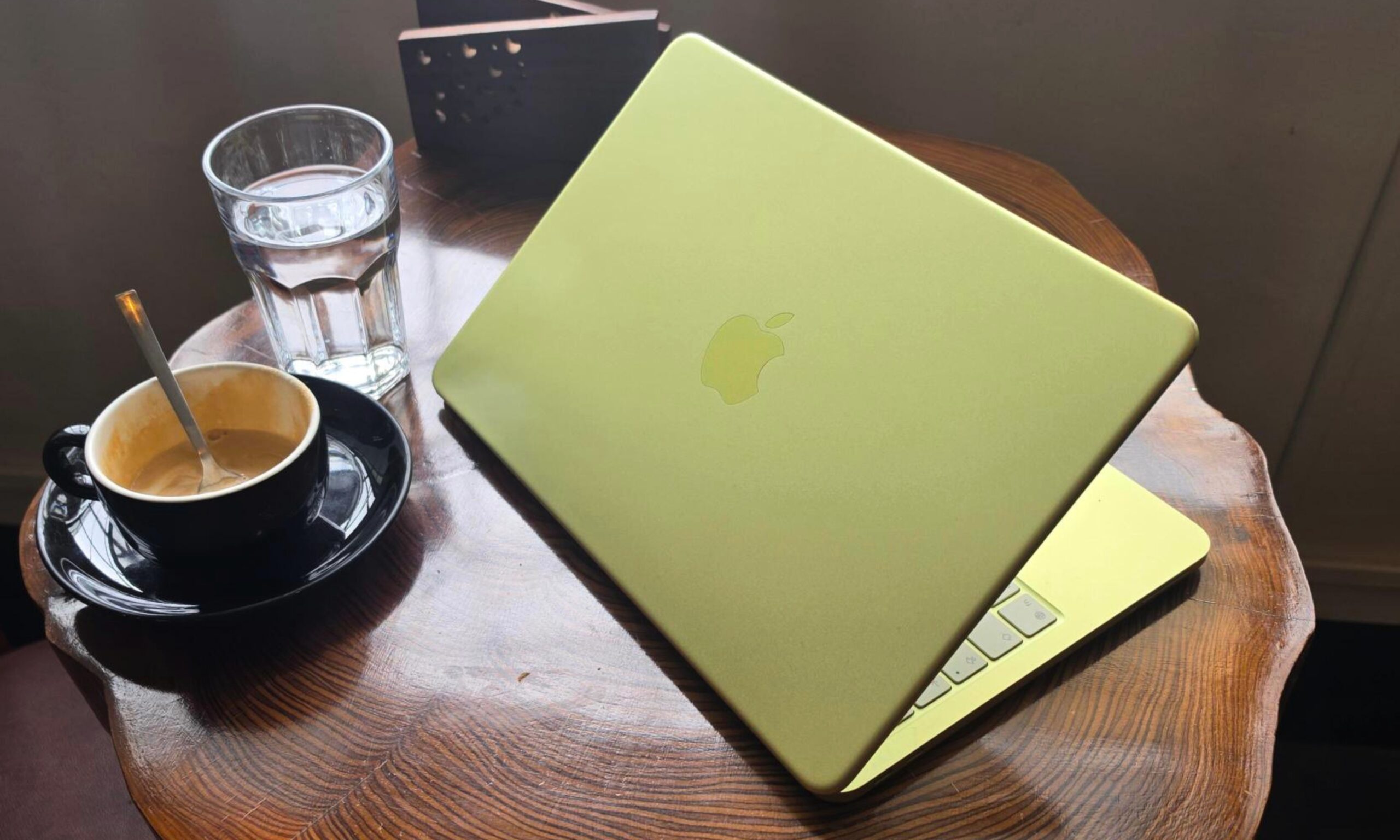
Apple’s MacBook lineup has become much broader in 2026. The MacBook Neo brings the entry price down considerably, the M5 MacBook Air remains the obvious all-rounder, and the MacBook Pro covers students whose coursework can push a laptop to its limits.

But with a wide range, choosing one becomes harder. Spending more can bring a better display, faster storage, additional ports, and considerably greater performance. However, plenty of students will never take advantage of those upgrades. So, I have narrowed the current lineup down to three models, each aimed at a distinct kind of buyer.

Read more
Qualcomm is set to ratchet up chip prices in September, and your next gadget upgrade could bear the brunt
The price hike could touch every Snapdragon-powered device category.
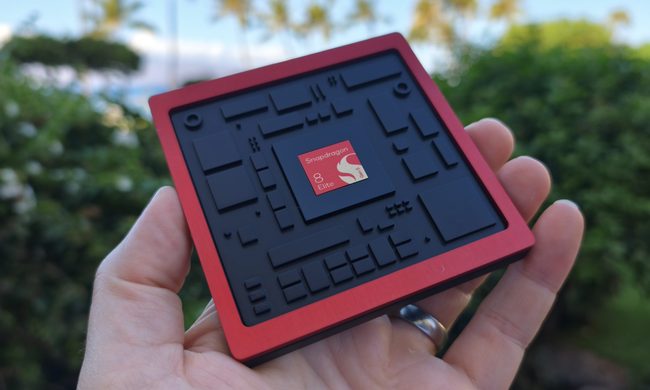
The new Qualcomm Snadragon 8 Elite Gen 5

I want you to sit with this for a second. Qualcomm, the company whose Snapdragon chips sit inside your Android phone and tablet, your Windows laptop, your Meta smart glasses, your Galaxy Watch, and your wireless earbuds, reportedly sent a letter to every major customer telling them prices are going up by double digits. 

The price hike will be in effect from September 1, 2026, a recent Bloomberg report claims. Essentially, all the companies placing their chip orders after that will pay a higher price. 

Read more