1. Home
  2. Emerging Tech
  3. Computing
  4. News

AI can now duplicate anyone's voice based on just one minute of training

Add as a preferred source on Google

Do you remember the cool Mission Impossible tech that lets Tom Cruise’s character Ethan Hunt mimic the voice of other characters using some nifty speech synthesis technology?

Well, a Montreal-based startup called Lyrebird (named after the sound-imitating bird) just invented it for real.

Recommended Videos

“We are developing new speech synthesis technologies which, among other features, allow us to copy the voice of someone with very little data,” Alexandre de Brebisson, one of the PhD students who developed the deep-learning tech behind the project. “Our experiments show that one minute of audio already contains a lot of the DNA of a human voice. We are able to learn a new voice with as little data because our model is able to capture similarities between the new voice and all the voices it already knows. Our models understand the underlying variables that make [one] voice different from another.”

Since the tech was shown off this week, de Brebisson said his team have received dozens of different suggested use-cases by email, some containing applications they’d thought of, and others containing ones that they hadn’t.

Some companies, for example, are interested in letting their users choose to have audio books read in the voice of either famous people or family members. The same is true of medical companies, which could allow people with voice disabilities to train their synthetic voices to sound like themselves, if recorded samples of their speaking voices exist. Another interesting idea is for video game companies to offer the ability for in-game characters to speak with the voice of the human player.

There are plenty more exciting opportunities, which have led to 10,000 people already signing up to be informed of the forthcoming beta version. “We will then add features over time, such as letting companies design a unique voice tailored for their needs, and control the emotion of the [voice] generation,” de Brebisson continued.

While it doesn’t sound perfect yet, it’s not hard to imagine how this might sound in just a few years. Combined with technology such as software for making convincing edits to the moving lips of a person who is speaking, “fake news” circa 2025 should certainly be a whole lot of fun.

Right?

Luke Dormehl
I'm a UK-based tech writer covering Cool Tech at Digital Trends. I've also written for Fast Company, Wired, the Guardian…
This $249 LED sign wants to fix your work-life balance
My productivity isn't worth $249... or is it?
Flipper Busy Bar

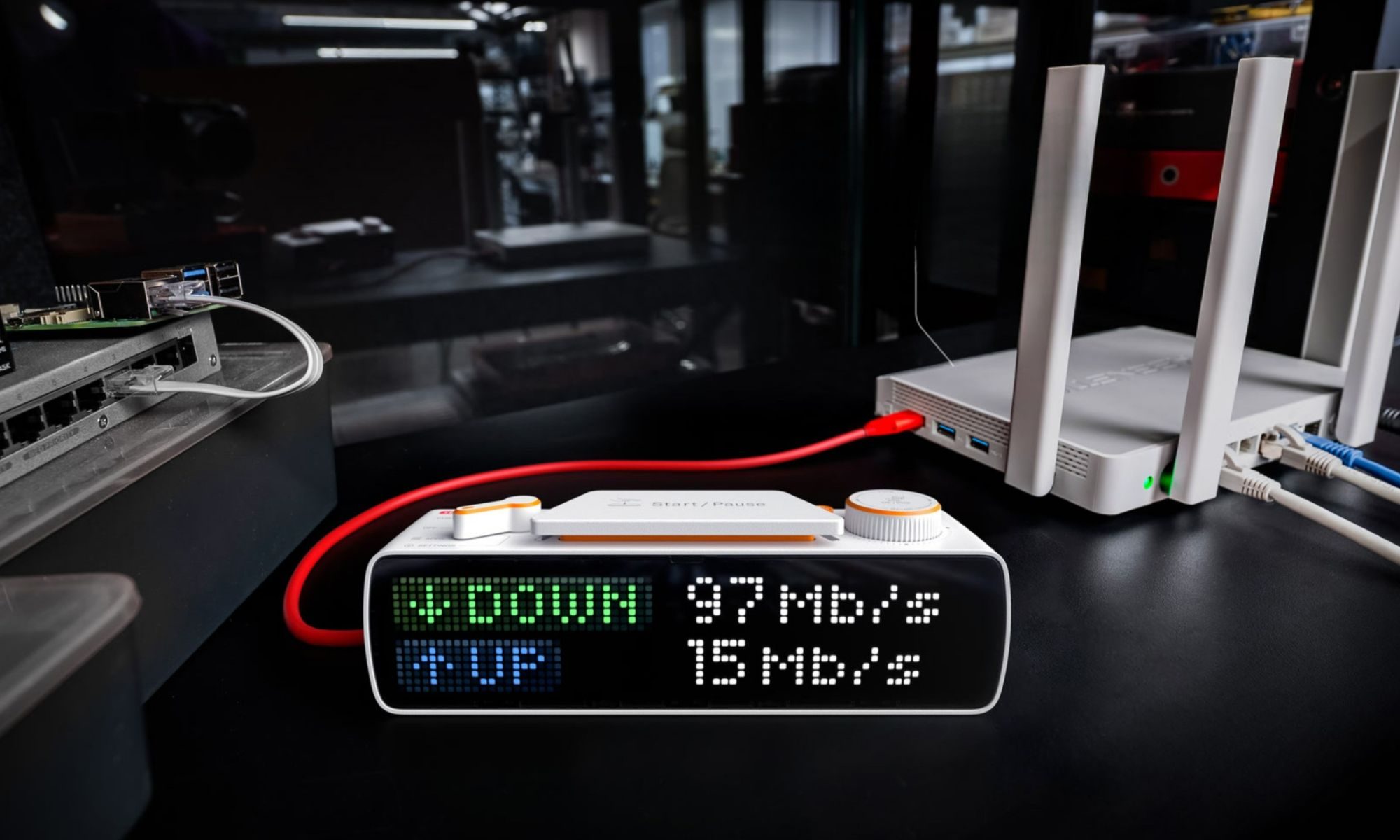
Flipper Devices has built a reputation among hackers and hardware enthusiasts with the Flipper Zero, a pocket-sized gadget capable of interacting with RFID, NFC, Bluetooth, and other wireless protocols. Now, the London-based company is taking a very different approach.

Its latest product, the Busy Bar, is a desktop productivity display designed to help users stay focused, signal their availability, and automate parts of their workflow. After being teased last year, the device is finally going on sale on July 14. While the concept is genuinely clever, its starting price of up to $249 may make many buyers think twice.

Read more
FAA clears the runway for Mach flights that could cut travel times nearly in half
New regulations could dramatically reduce travel times while keeping sonic booms under control.
Supersonic Flight Time

The dream of flying faster than the speed of sound just took a major step forward. The Federal Aviation Administration (FAA) has announced a proposed rule that would create the first noise-based certification standards for a new generation of supersonic passenger aircraft, removing one of the biggest regulatory hurdles standing in the way of commercial Mach 1+ flights.

The goal is simple: fly faster without the boom

Read more
NotebookLM’s 60-second videos turned my doomscrolling curse into something useful
Electronics, Mobile Phone, Phone

Short videos have taken over just about every app we use. You scroll through them on X, lose track of time on Instagram, watch them on YouTube, and now even Netflix has its own bite-sized feed. So when I heard that Google was bringing the format to NotebookLM, it felt both surprising and completely inevitable at the same time.

Google has announced Short Video Overviews for NotebookLM, a feature that turns dense documents and complicated sources into 60-second vertical videos that explain key ideas. Instead of staring at pages of notes, you get a quick visual walkthrough of the concept you're trying to understand.

Read more