1. Home
  2. Emerging Tech
  3. News

WasteShark is an aquatic drone with a taste for floating garbage

Add as a preferred source on Google

Just when you thought it was safe to throw trash in the water, some smart South African entrepreneur comes along and invents WasteShark: an aquatic drone with a taste for garbage.

Currently being trialed at the Port of Rotterdam in the Netherlands, WasteShark is essentially an autonomous Roomba vacuum cleaner for the sea. Coming in two different sizes, and using an assortment of smart sensors, it can intelligently trawl waterways while munching more than 400 pounds of trash.

Recommended Videos

“With a smart vacuum cleaner, the aim is to sweep up dust the whole time so you never have to see it,” creator Richard Hardiman told Digital Trends. “With these drones, the idea is that they constantly clean up the water so you never see a buildup of waste. The more you do that, the less waste sinks to the bottom and ultimately gets swept out into the ocean.”

Hardiman said that he started his WasteShark project to create a device capable of keeping waters clean 24/7, regardless of weather conditions. “I didn’t want to invent a robot which takes away jobs,” he said. “Coming from Africa, the last thing I wanted was to increase unemployment for people. But I did want to make something with the ability to improve our lives, by carrying out a job that couldn’t be done efficiently by people.”

Early on, he explained that the idea for WasteShark was to use computer vision to spot floating trash. “Unfortunately, water and image sensing is a tough combination, since the reflection and refraction of light in the water makes it very difficult to identify objects,” he said. “As a result, we had to go back to the drawing board.”

What he eventually came up with is arguably even smarter than that, since the drone can learn its physical environment. Users are able to specify geo-fenced areas the robot sticks to, but within these it can learn where particular trouble spots are. “It slowly learns its environment by learning which places have had the highest build-up of trash, and [it can then] go back to that spot on the same tidal pattern or weather and wind patterns on subsequent days,” he said.

The current contract with the Port of Rotterdam lasts until next year, after which Hardiman said he will be ready to roll out the technology worldwide. In true shark movie sequel fashion, there’s even a larger WasteShark — capable of swallowing more than 1,000 pounds of garbage — in development. Hardiman is calling it the “Great WasteShark.”

“Long term, my strategy is to have autonomous drones like this in ports and highly trafficked water areas all over the world, much as you’ll have self-driving cars on the road,” he concluded.


Luke Dormehl
I'm a UK-based tech writer covering Cool Tech at Digital Trends. I've also written for Fast Company, Wired, the Guardian…
Yet another study says AI is bad for elections, and the rabbit hole gets worse
AI may be an election bomb waiting for someone to light the fuse
Voters cast their ballots on Election Day

Another election, another study has concluded that asking an AI chatbot for political guidance is a spectacularly bad idea. Research conducted during Hungary’s 2026 parliamentary election found that ChatGPT and Google Gemini offered not just inaccurate but also inconsistent and unreliable voting advice. The chatbots misclassified voter profiles, overlooked relevant parties, recommended parties absent from the ballot, and sometimes produced materially different answers when given the same information repeatedly.

AI keeps failing the voter test

Read more
Samsung’s humanoid robot ambitions are real, but factories come first
Samsung’s new robotics division has humanoids in its sights, although its immediate business is far more practical factory automation
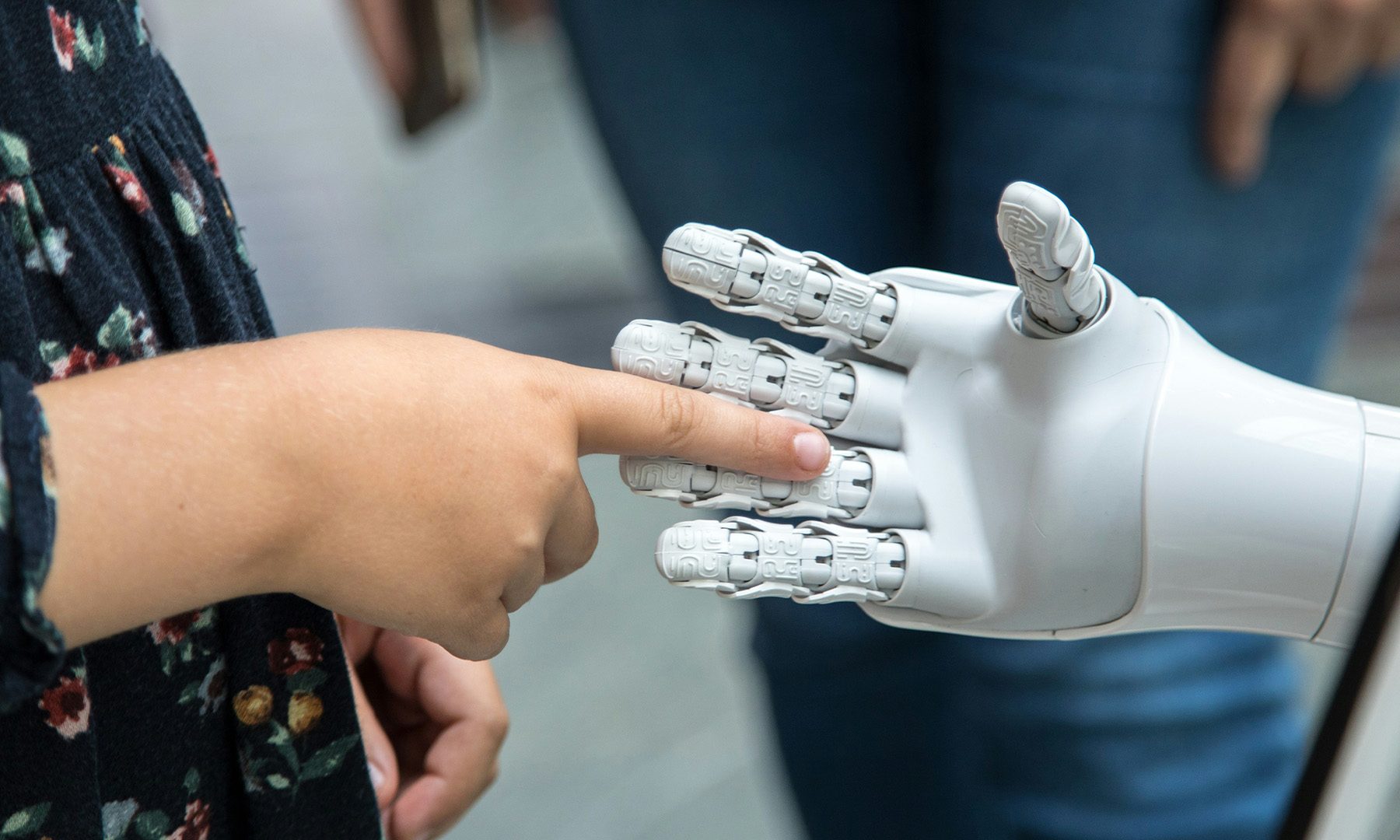
Robot Touch Human Finger

Samsung wants a place in the humanoid race, but its new robotics push begins with machines built for factories rather than homes.

The CEO-led RX robotics division will initially focus on manufacturing robots. Samsung has separately identified humanoids as a priority, although it hasn’t announced a commercial model or explained where one fits into the division’s immediate plans.

Read more
The future of AI may depend on this one behind-the-scenes change
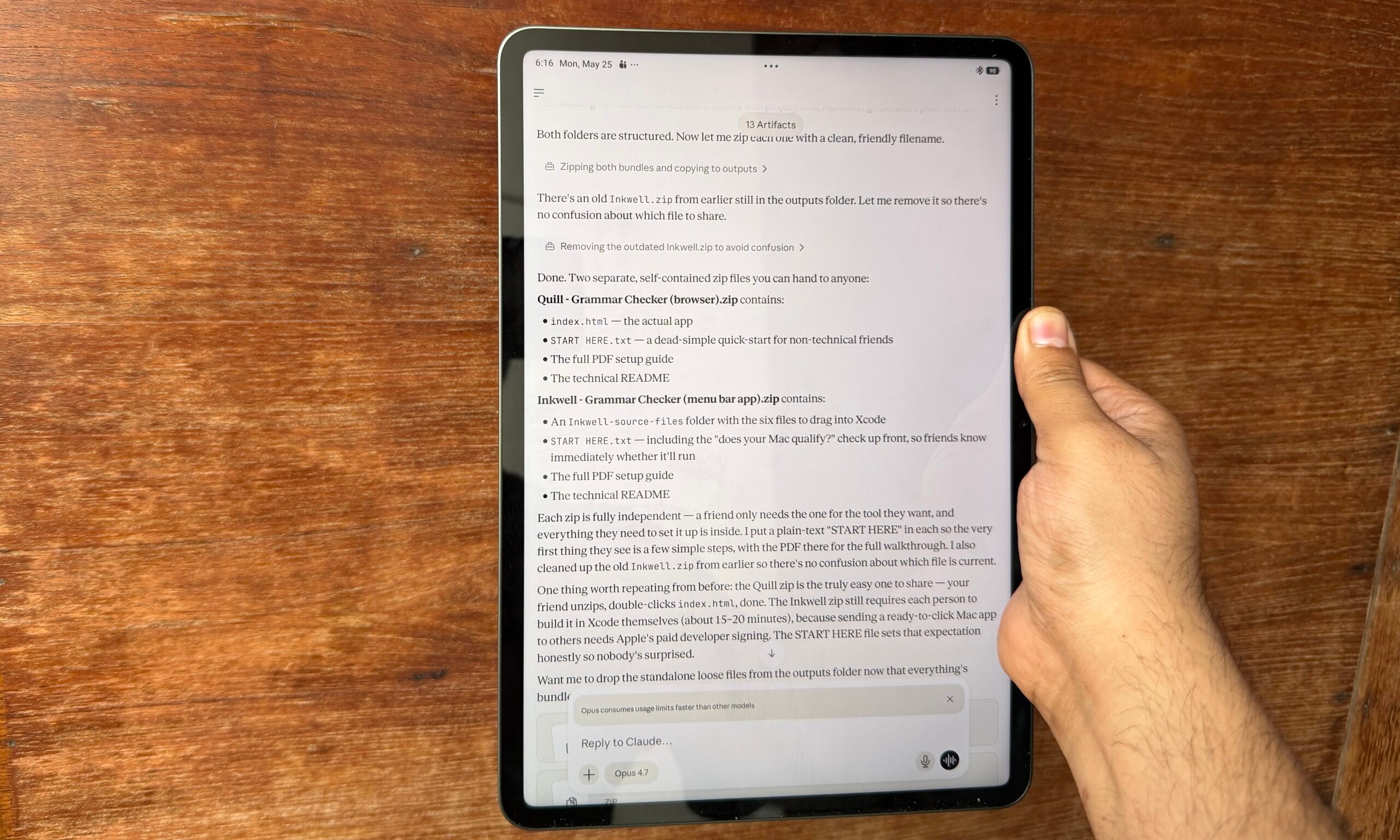
Running Claude on Android.

Whenever a new AI model arrives, it's easy to get caught up in the bells and whistles. We talk about how much smarter it is, how quickly it answers questions, or how realistic its images have become. But here's the thing: none of that matters much if the AI can't reliably work with the apps and services people use every day.

That's why an upcoming update to the Model Context Protocol (MCP) caught my attention. It isn't a new chatbot or a fancy AI model. In fact, most people will never even know it's happening. But it could quietly make the AI ecosystem a lot healthier. If you've never heard of MCP before, don't worry. Think of it as a shared language that lets AI assistants safely talk to apps like Gmail, Slack, calendars, databases, and countless other services. Instead of every company inventing its own way to make those connections, MCP gives everyone a common rulebook.

Read more