1. Home
  2. Emerging Tech
  3. News

This 4th of July, watch sparklers doing their thing in super-slow motion

Add as a preferred source on Google

Americans spent over a billion dollars on fireworks for last year’s Fourth of July, according to the American Pyrotechnics Association. Among the displays were firecrackers, rockets, cakes, and snakes. And then there were the sparklers, those slow burning sticks you either love or hate.

Sparklers are seen as the relatively harmless, family-friendly addition to Fourth of July festivities, or the lamest fireworks known to man. They’re a pyromaniacs entry-level toy or a more cautious person’s safe celebration. No matter how you feel, you have to respect the traditional role these hand-held fireworks have in Independence Day. But how exactly do they work?

Recommended Videos

The American Chemical Society (ACS) recently created an explainer video that shows sparklers in slow-motion and details the chemical reaction behind their dazzling displays.

In short, the ACS says sparklers can be broken down to an iron stick with four chemicals: fuel, an oxidizer, colorant, and a binder.

Fuels consist of powdered metals, including iron, titanium, ferrotitatium alloy, and aluminum and magnesium, which react with oxygen. To keep the sparkler burning, an oxidizer such as nitrate, chlorate, and perchlorate are added to the mix. When the oxidizers are heated, they decompose in a gas reaction that sends little metal particles – i.e., sparks – flying into the air.

The binder most sparklers use is dextrin, which keeps all the other chemicals help together and slows the chemical reactions to. Colorants such as strontium, magnesium, and copper can be added to elicit red, white, and blue sparks respectively.

Maybe most importantly, the ACS points out that, although the sparks aren’t hot to the touch, the iron shaft itself can still burn since it retains heat from the reaction. So, have fun this holiday but be sure to hold to cold end of your sparkler.

Dyllan Furness
Former Contributor
Dyllan Furness is a freelance writer from Florida. He covers strange science and emerging tech for Digital Trends, focusing…
Yet another study says AI is bad for elections, and the rabbit hole gets worse
AI may be an election bomb waiting for someone to light the fuse
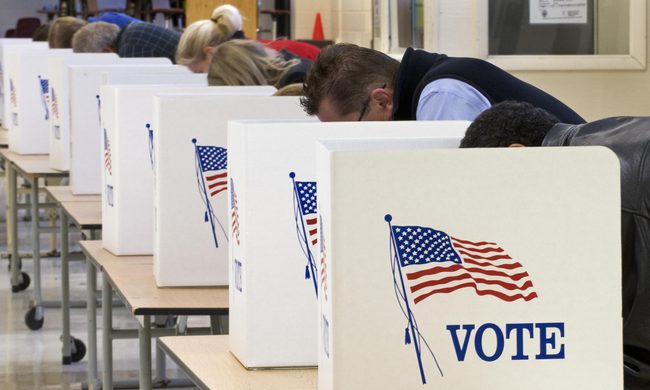
Voters cast their ballots on Election Day

Another election, another study has concluded that asking an AI chatbot for political guidance is a spectacularly bad idea. Research conducted during Hungary’s 2026 parliamentary election found that ChatGPT and Google Gemini offered not just inaccurate but also inconsistent and unreliable voting advice. The chatbots misclassified voter profiles, overlooked relevant parties, recommended parties absent from the ballot, and sometimes produced materially different answers when given the same information repeatedly.

AI keeps failing the voter test

Read more
Samsung’s humanoid robot ambitions are real, but factories come first
Samsung’s new robotics division has humanoids in its sights, although its immediate business is far more practical factory automation
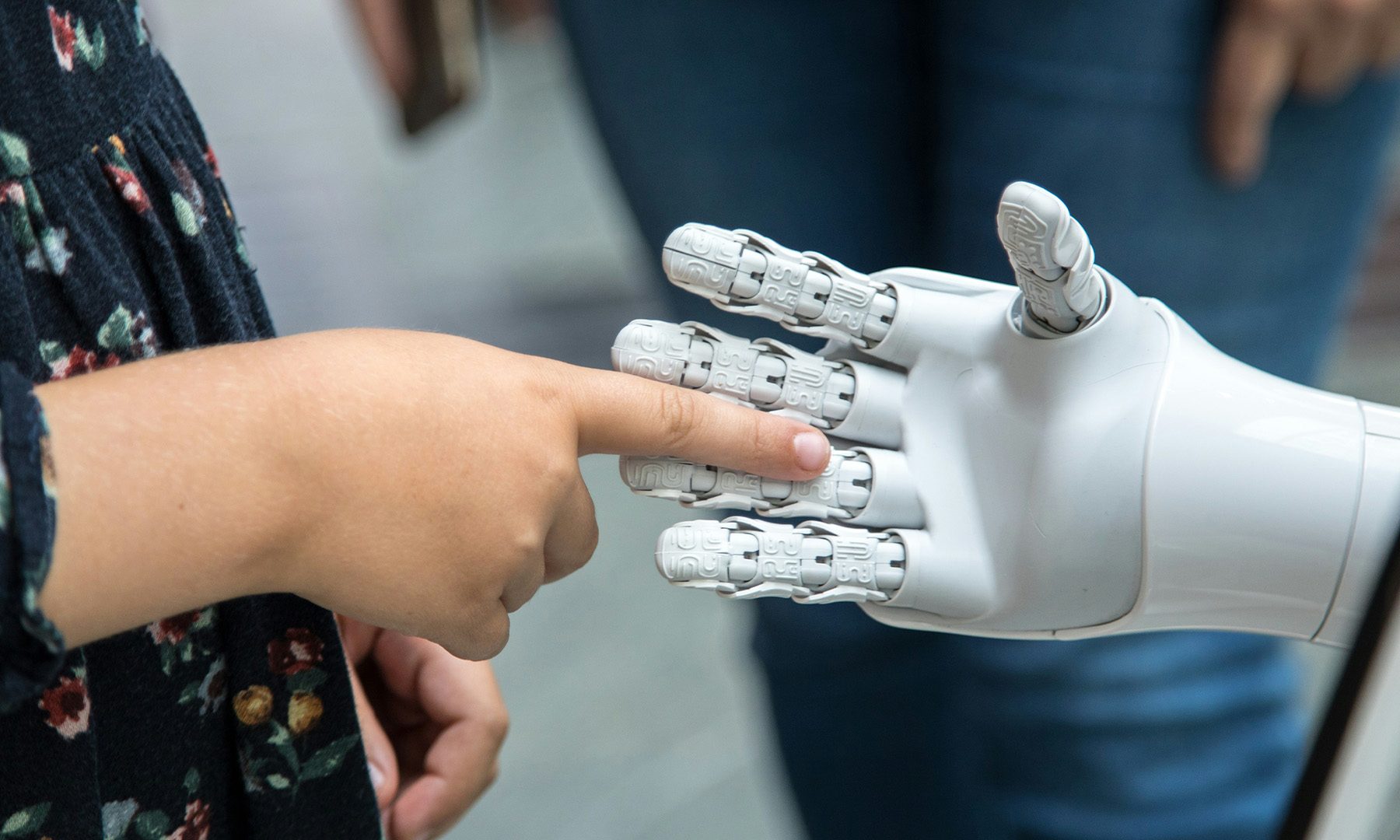
Robot Touch Human Finger

Samsung wants a place in the humanoid race, but its new robotics push begins with machines built for factories rather than homes.

The CEO-led RX robotics division will initially focus on manufacturing robots. Samsung has separately identified humanoids as a priority, although it hasn’t announced a commercial model or explained where one fits into the division’s immediate plans.

Read more
The future of AI may depend on this one behind-the-scenes change
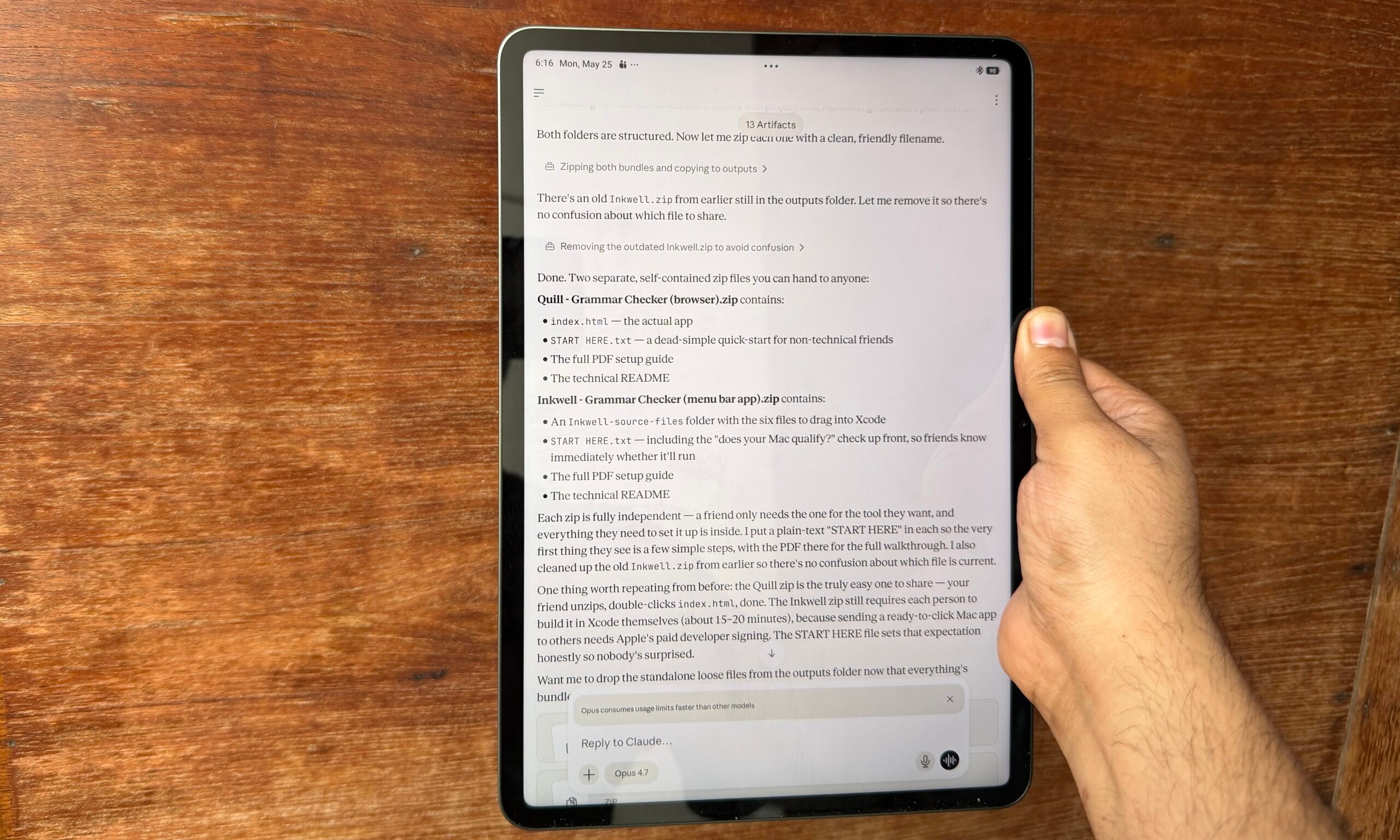
Running Claude on Android.

Whenever a new AI model arrives, it's easy to get caught up in the bells and whistles. We talk about how much smarter it is, how quickly it answers questions, or how realistic its images have become. But here's the thing: none of that matters much if the AI can't reliably work with the apps and services people use every day.

That's why an upcoming update to the Model Context Protocol (MCP) caught my attention. It isn't a new chatbot or a fancy AI model. In fact, most people will never even know it's happening. But it could quietly make the AI ecosystem a lot healthier. If you've never heard of MCP before, don't worry. Think of it as a shared language that lets AI assistants safely talk to apps like Gmail, Slack, calendars, databases, and countless other services. Instead of every company inventing its own way to make those connections, MCP gives everyone a common rulebook.

Read more