- Home
- Audio / Video
Audio / Video
News, reviews, and discussion about the entire A/V world, ranging from 4K TVs and home theater setups to the latest in headphone technology and speakers.
Explore More

Netflix just got a whole lot more irritating if you share a screen in a household
Netflix is rolling out a new profile system that requires each household member to add a unique email address to their individual profile.










Original Series


I checked the Prime Day speaker deals, and these 5 are the ones worth hearing out
Skip the no-name speaker clutter. These JBL and Bose Prime Day deals have real discounts, useful features, and clear reasons to buy.
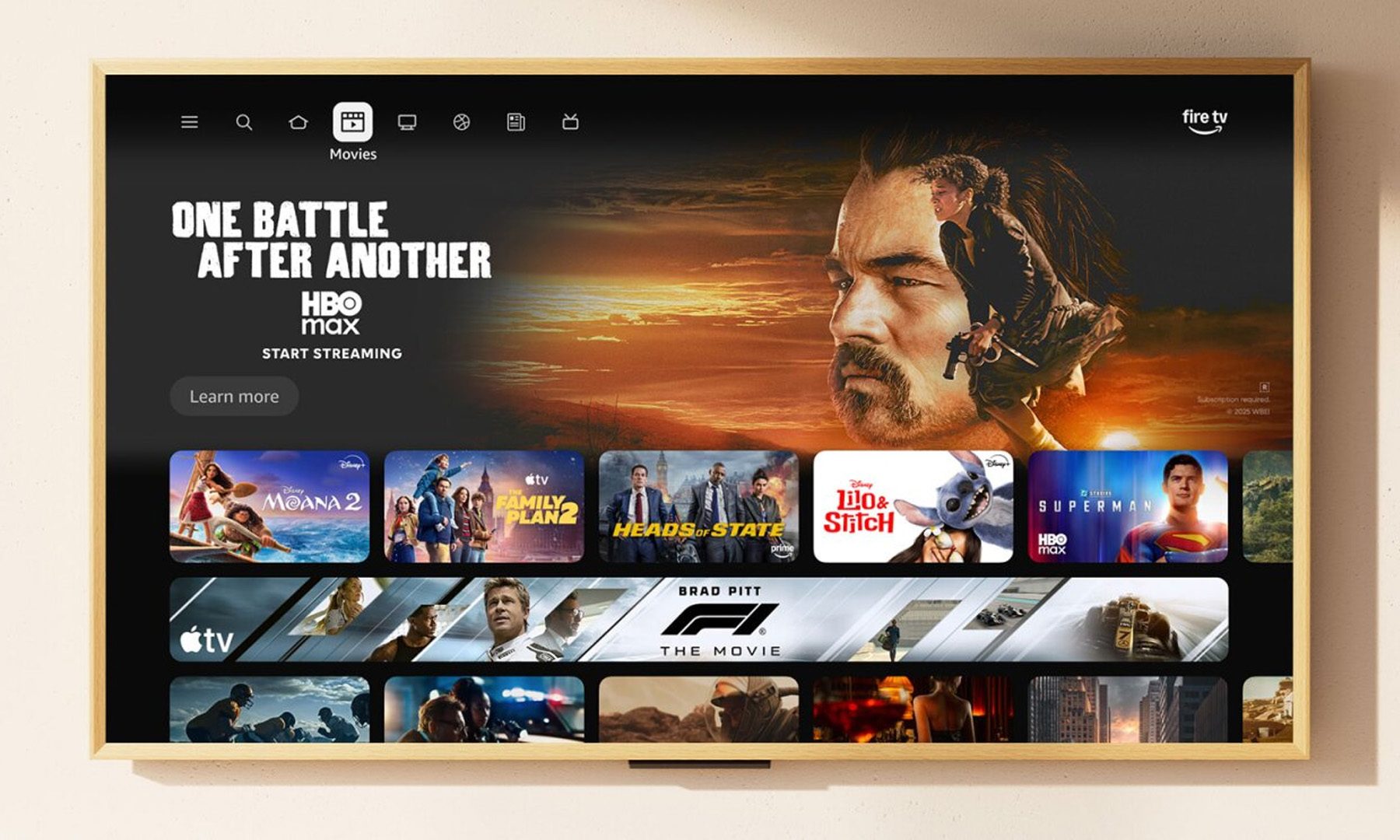
Amazon’s new Fire TV interface is finally rolling out to more devices
Amazon has started rolling out its redesigned Fire TV interface, bringing a cleaner look, faster performance, and built-in Alexa+ integration.

This Prime Day, Sylvox Is Offering Up To 28% Off Its Frameless Outdoor TVs
Outdoor living spaces are becoming an extension of the modern home, and the technology that goes into them is evolving too. During Prime Day, Sylvox is offering discounts across its outdoor TV portfolio, including savings of up to 28% on the Frameless Series Outdoor TV.

32 Prime Day Upgrades Worth Adding to Your Cart
Prime Day is the perfect time to upgrade. These standout picks deliver practical benefits, thoughtful design, and impressive value.

Xiaomi’s new earbuds are five times cheaper than AirPods Pro, with ANC included
Xiaomi’s Redmi Buds 8 are launching globally with ANC, LHDC support, 44-hour battery life, and a price far below Apple’s AirPods Pro.

I replaced pricey Apple extras with Xiaomi gear, and it went better than expected
Xiaomi’s UltraThin Magnetic Power Bank 5000 15W and Redmi Buds 8 Pro offer a surprisingly polished alternative to Apple’s pricier battery pack and AirPods Pro.
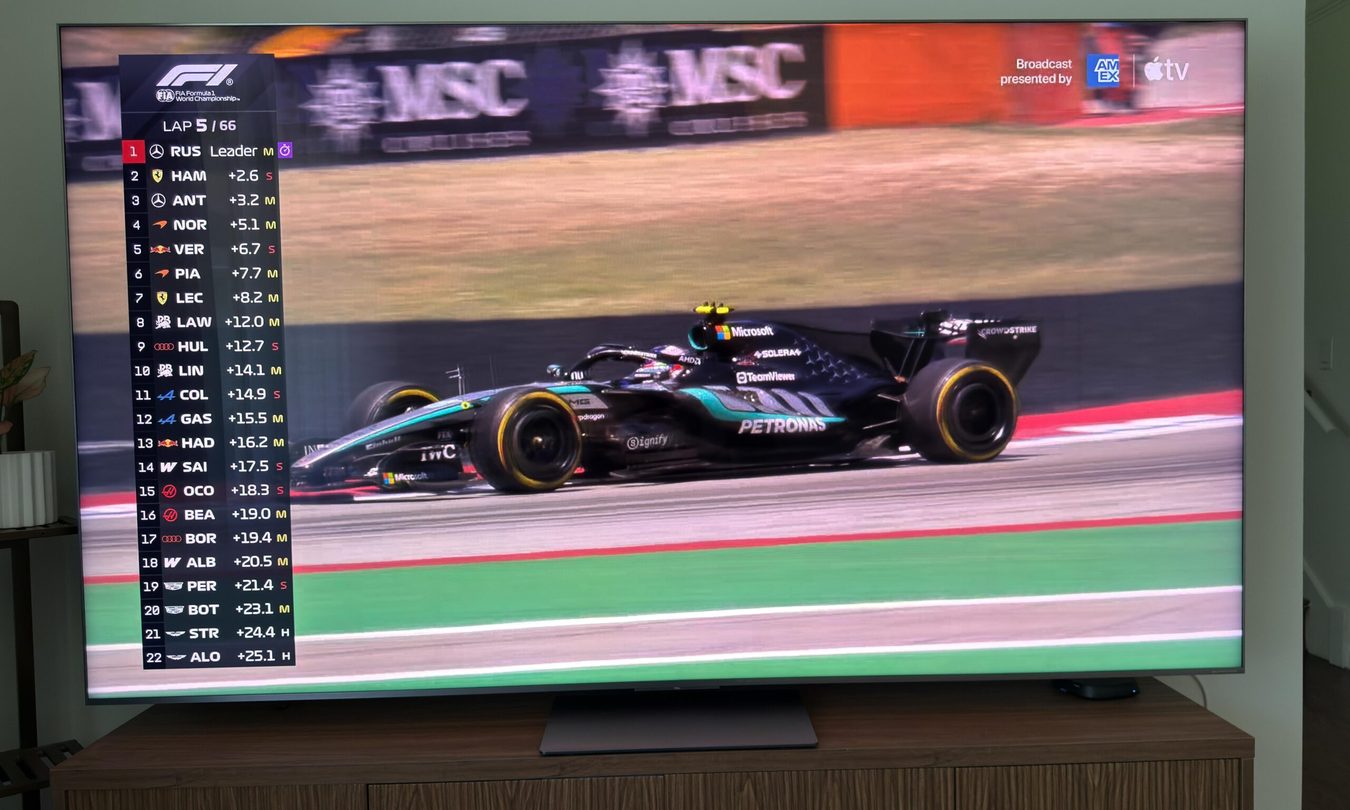
TCL QM8L Review: SQD technology for the masses
Instant insight: SQD without the sticker shock When I reviewed the TCL X11L earlier this year, I called it the best picture quality Mini-LED can currently offer. But at $7,999, it’s not the TV most people are actually going to buy. Enter the QM8L, a superb TV with a more approachable price point. TCL stopped following […]

Radiant Monitor 2 takes a sunlit approach to solve the glare and power problem
Eazeye’s Radiant Monitor 2 is a $789 portable touchscreen monitor that uses ambient light for outdoor visibility and lower power consumption

The Accentum Clip could make open-ear earbuds more appealing to music lovers
Sennheiser's new Accentum Clip earbuds pair an open-ear design with LDAC support, Dynamic EQ, and a 12mm driver in an effort to improve audio performance.

Google’s new $99 Home Speaker offers 360-degree audio and next-gen Gemini perks
Google's new Home Speaker is available to pre-order at $99 in four colors, featuring Gemini AI and 360-degree audio.

DJI’s Osmo Pocket 4P packs two cameras and a 1,000-nit OLED screen
DJI announces the Osmo Pocket 4P dual-camera gimbal with 4K/240fps, D-Log 2 color, and a 1,000-nit OLED screen.

Roku is reportedly exploring a sale, and its 100 million users are the biggest prize
Roku is reportedly exploring a potential sale as media and technology companies eye its massive streaming audience and growing advertising business.

Spotify removed tens of thousands of fake podcasts tied to online drug sales
A congressional report claims thousands of fake podcasts were used to boost illegal pharmacy websites, prompting Spotify to remove more than 57,000 episodes.

I tried Acer’s new 5K MiniLED Gaming monitor, and OLED kept popping into my head
Hands-on with the Acer Nitro XV345CKR P reveals a bold take on MiniLED gaming monitors, balancing 5K clarity, HDR brilliance, and versatility against OLED's undeniable appeal.

Google’s new Gemini TV controls are here and TCL owners get them first
Google has launched Gemini TV controls exclusively on select TCL Google TV models, letting users adjust picture and sound settings using simple voice commands.

Jabra Evolve3 75 review: I wore this work headset for weeks, and it was a revelation
Jabra Evolve3 75 is a premium offering, but for its high ask, it serves as a fantastic mic, sleek build, solid battery life, wireless charging, and music listening with enough oomph.

Deezer is fighting against slop with a tool that detects AI music on streaming platforms
Deezer's free AI music detector checks playlists across major streaming platforms, but the bigger move is its push to license synthetic-song detection across the music industry.

Insta360 Luna Ultra brings 8K recording and advanced stabilization to creators
Insta360 has launched the Luna Ultra, a dual-lens 8K gimbal camera developed with Leica and designed for creators seeking cinematic portable video tools.

A guide to Sony’s 2026 TVs and home theater lineup
Sony’s 2026 BRAVIA lineup introduces True RGB technology, new flagship TVs, and the Theater Trio audio system. Here’s everything you need to know about Sony’s latest home theater products.

Sony’s new 135-inch display is basically boardroom excess in its finest form
Sony’s Crystal LED UNIFY brings a 135-inch all-in-one LED wall to professional spaces, with easier installation, 800-nit brightness, and early 2027 availability.

Marshall’s new Stockwell III fixes the problem most Bluetooth speakers ignore
The new Stockwell III packs longer battery life and improved durability, but its most interesting feature isn't about listening to music at all.

Baseus Inspire XH1 review: These Bose-tuned headphones defied my budget expectations
If you're disappointed by affordable headphones making too many cuts, the Baseus Inspire XH1 get as close to perfect as it gets. On a side note, they regularly land sweet discounts, too.

Bowers & Wilkins introduces redesigned 800 Series Diamond D5 lineup at HIGH END Vienna
Bowers & Wilkins has launched its new 800 Series Diamond D5 speakers with upgraded acoustics, redesigned cabinets, and luxury finishes for audiophiles and studio professionals.

Sony’s True RGB technology is aiming for the best of OLED and Mini LED
Sony’s new True RGB display technology aims to deliver OLED-like color and viewing angles with Mini LED brightness. Here’s what we learned after seeing it demonstrated firsthand.

Alienware’s upgraded gaming monitors offer higher brightness and refresh rate starting at $300
Alienware’s new Computex monitor lineup pushes brighter OLED panels, faster ultrawide refresh rates, and 240Hz QHD gaming at $299.99, giving buyers more choice across flagship and mainstream display upgrades.

New Apple TV and HomePod mini are apparently ready for a fall launch
Apple is reportedly preparing refreshed Apple TV and HomePod mini hardware with improved Siri and Apple Intelligence support for a fall launch.
Audio / Video News



Headphones






Audio / Video Deals


