1. Home
  2. Smart Home
  3. Emerging Tech
  4. Legacy Archives

Best idea ever? Thermal-vision microwave displays exactly how hot your food is

Add as a preferred source on Google

Tired of never knowing how hot your food is when it comes out of the microwave? We’ve got good news for you. Former NASA engineer and serial inventor Mark Rober has developed a new kind of microwave that essentially has thermal vision and can display the temperature of the grub you’re nuking in real-time. It’s one of those things that makes you think, “Why the hell hasn’t this been invented yet?!”

It’s still just a prototype at this point, but the overall concept is fairly straightforward. In addition to the standard magnetron that emits microwave radiation and warms up your food, the Heat Map Microwave is equipped with a set of infrared cameras and an LCD screen instead of a window. As your food cooks, the IR cameras capture a heat-mapped image of it and beam it onto the screen. Future iterations will even be able to sling the the image to a smartphone or tablet over your home Wi-Fi network, and you’ll be able to add additional time remotely via an accompanying app.

Recommended Videos

Rober has already attained a patent for the microwave design and is currently trying to gauge consumer interest in the product so he can convince investors to fund its development. Unfortunately, he’s not going the crowdfunding route, so you can’t pre-order one on Kickstarter or Indiegogo. What you can do is sign the petition on his website to show your support. If Rober gets enough signatures, the Heat Map Microwave will very likely become a reality.

Let’s make this happen. We don’t know about you, but we’re tired of burning the taste buds off our tongues every time we try to make a burrito.

Drew Prindle
Former Senior Editor, Features
Drew Prindle is an award-winning writer, editor, and storyteller who currently serves as Senior Features Editor for Digital…
Remember Samsung’s Ballie home robot? It may finally be inching closer to reality
Leaked app wireframes give the strongest hint yet that Samsung's Ballie home robot, first shown at CES 2020, might still be headed toward an actual release.
Samsung Ballie robot in a room next to a dog feeder.

Samsung's rolling home robot has been the industry's longest-running "will it ever actually ship" joke, and I'll admit I'd mostly given up on it. Now, there's finally a glimmer of hope.

Samsung first unveiled Ballie as a concept at CES 2020. Then, it showed it as a significantly upgraded version four years later. However, the company never confirmed a release date or committed to releasing it at all. 

Read more
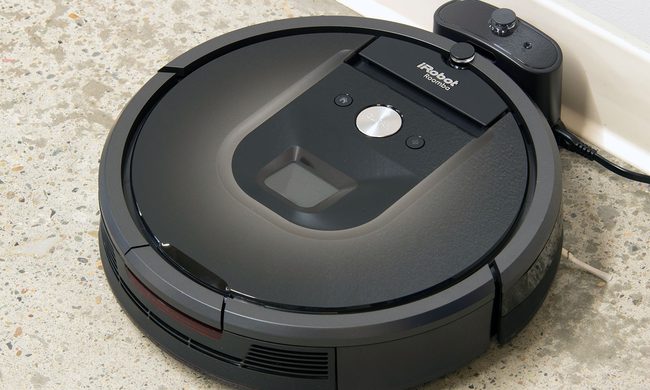
The US foreign-made robot crackdown is coming for future Roombas too
Future Roombas face new US sales hurdles, but existing models are unaffected
Roomba 980

The FCC has already made it much harder for foreign drone makers such as DJI to bring new products into the US. Now, the same crackdown is reaching a machine far more likely to be moving around your living room.

The US government recently added foreign-made advanced robotic devices to the FCC’s Covered List. The announcement appeared focused on humanoids, robot dogs, and industrial machines, but an FCC spokesperson has confirmed to The Verge that robot vacuum cleaners are covered too.

Read more
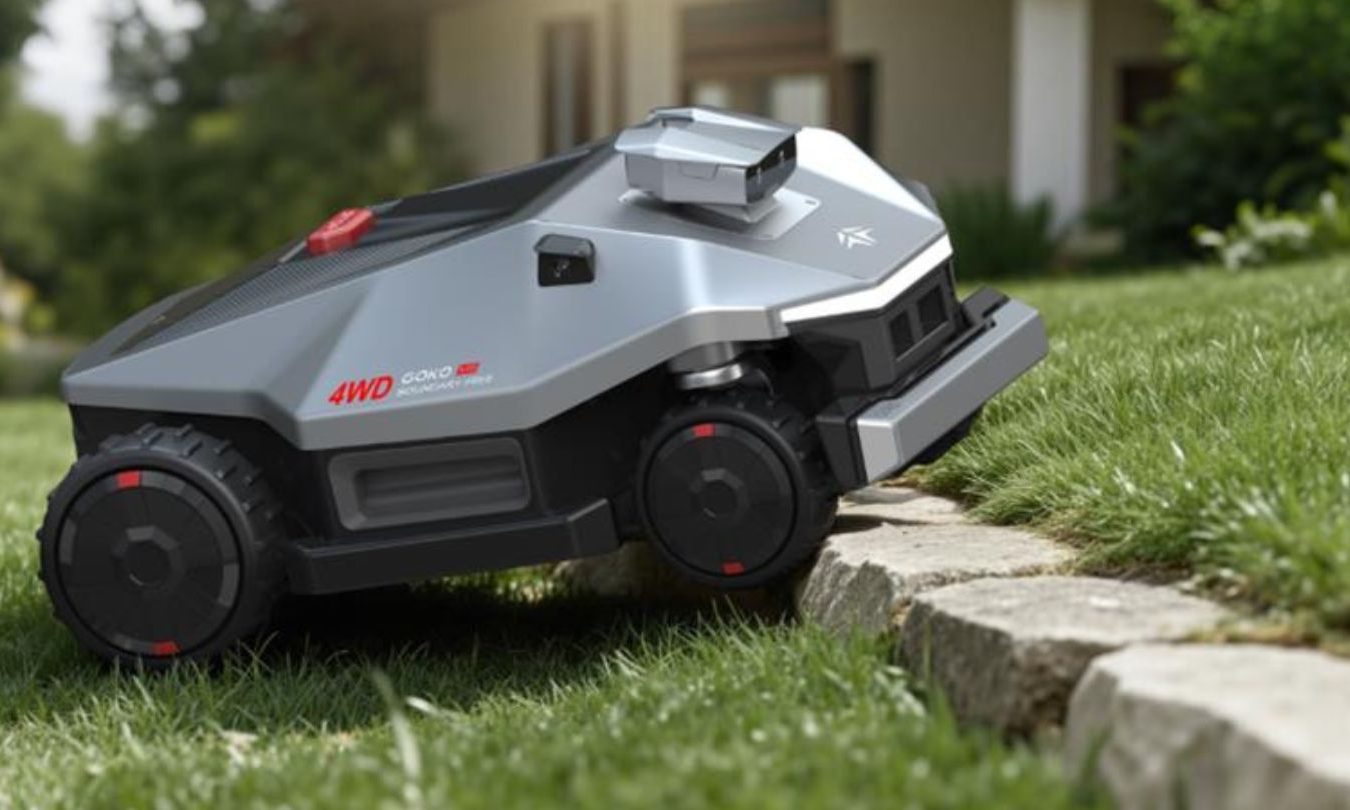
The GOKO M6 Robotic Lawn Mower Brings Industrial Robotics to Modern Lawn Care
7 reasons this AI-driven powerhouse makes hands-free yard work smarter than ever
Grass, Lawn, Plant

Robotic lawn mowers can save homeowners hours of manual yard work, but not every model is designed for challenging properties. While many perform well on flat lawns, larger yards with uneven terrain, steep slopes, and multiple mowing zones require a mower built for more demanding conditions.

Developed by GOKO, the consumer robotics brand of Robot++, the GOKO M6 is an industrial-grade 4WD AI-powered robotic lawn mower that brings more than a decade of industrial robotics expertise to residential lawn care. It combines AI-powered four-wheel drive, advanced navigation technologies, and AI QuadVision obstacle detection to tackle complex landscapes with less manual intervention.

Read more