The Organization for Security and Cooperation in Europe has released its first overview report (PDF) examining laws regulating use of the Internet in member states, and posits that access to the Internet should be considered a fundamental human right, akin to freedom of expression. The study also argues that Internet blocking and content filtering mandates and technologies are, in most cases, cannot be reconciled with the free flow of information and freedom of expression—both of which are basic commitments made by the 56 members of the OSCE.
“Everyone should have a right to participate in the information society and states have a responsibility to ensure citizens’ access to the Internet is guaranteed,” the report reads.
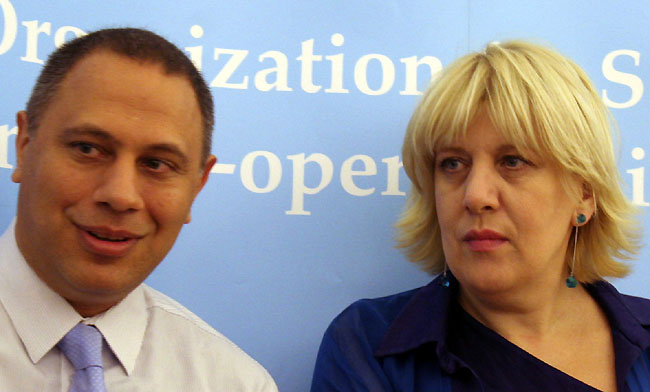
The study, authored by Istabul Bilgi University’s Yaman Akdeniz and commissions by the OSCE Representative on Freedom of the Media Dunja Mijatović examines the level of Internet content regulation in the OSCE region and evaluations how member states’ laws embody their OSCE commitments and international standards.
Some member states were unable to supply information to the study due to legal restrictions or simply because information wasn’t available. The study emphasizes that governments’ lack of transparency on how they manage and regulate Internet access creates more difficulties for users trying to understand Internet regulation regimes that may apply to them. Both the report and Akdeniz note Internet blocking does take place within the OSCE area.
“Legislation in many countries does not recognize that freedom of expression and freedom of the media equally apply to Internet as a modern means of exercising these rights, ” said Representative Mijatović, in a statement. “In some of our states, ‘extremism’, terrorist propaganda, harmful content, and hate speech are vaguely defined and may be widely interpreted to ban speech types that Internet users may not deem illegal.”
The report also noted that many countries permit the complete suspension of Internet access and services during a declared state of emergency, war, or in response to other security threats.
The OSCE is comprised of 56 member states throughout Europe and Central Asia—including the United Kingdom, Germany, Italy, France, Greece, Sweden, the Russian Federation, Uzbekistan, Kyrgyzstan, Turkey, and Croatia. It also includes Canada and the United States.

Editors' Recommendations
- U.K. internet service providers lift caps on broadband data
- Internet shut down in Iran in response to large-scale fuel protests