1. Home
  2. Entertainment
  3. News

Cable companies saw huge numbers of subscribers flee in Q2 2016

Add as a preferred source on Google

Whether pay-TV subscriptions can survive long term in a world of streaming services and digital video entertainment has been up for debate in recent years, and while there still isn’t a definitive answer, new research paints a dark picture for cable companies. Leichtman Research Group has released a report finding that not only did the 10 of the 11 largest pay-TV providers in the U.S. lose subscribers in Q2 2016, the losses substantially increased compared to the year before.

Given that the 11 largest cable companies represent 95 percent of the market, the numbers are telling. The report shows that overall, the companies, lost 665,000 net video subscribers in Q2 2016; the number far exceeds Q2 2015’s net loss of 545,000 subscribers. While Q2 is historically bad for cable companies, according to Ars Technica, this year was a particularly bad one. Only DirecTV saw net gains, adding 342,000 subscribers.

Recommended Videos

Interestingly, the picture was not quite as bleak for the top six cable companies as it was for the group overall; their losses actually decreased compared to Q2 2015, dropping from 340,000 lost subscribers to 225,000. The quarter may have been bad for the market overall, but it was actually the best in terms of losses since 2006 for the top six companies.

Nonetheless, there is still plenty to give cable companies pause. “Over the past year, the top pay-TV providers (including Dish’s Sling TV) lost about 705,000 subscribers — compared to a loss of about 380,000 over the prior year,” said Bruce Leichtman, president and principal analyst for Leichtman Research Group, in a press release.

The top 11 companies do have a subscriber based of 93.75 million, so 705,000 subscribers is a relatively small percentage, but the fact that losses have increased overall is notable. Although the report didn’t point to a cause, it seems likely that the emergence of digital alternatives has played a role. Pay-TV subscriptions may not be on the brink of extinction, but cable companies will have to continue to adapt to the threat.

Stephanie Topacio Long
Stephanie Topacio Long is a writer and editor whose writing interests range from business to books. She also contributes to…
Spotify’s new conversational AI can play tracks you request and answer your music questions
A ChatGPT-like AI feature is coming to Spotify for music requests and listening-history questions
spotify

Spotify is rolling out a new AI-powered conversational feature that lets Premium users talk directly to the app about what they want to hear. Users can type or speak a request and refine the results through follow-up questions instead of manually searching for a song, podcast, or audiobook.

The feature is available from Spotify’s Home and Now Playing screens and works much like a personal audio assistant. It can choose what plays, answer questions about the current track or album, recommend something new, and look through your listening history to provide more personalized responses.

Read more
Christopher Nolan’s personal take on smartphones is surprisingly practical
Christopher Nolan says not owning a smartphone helps him think better
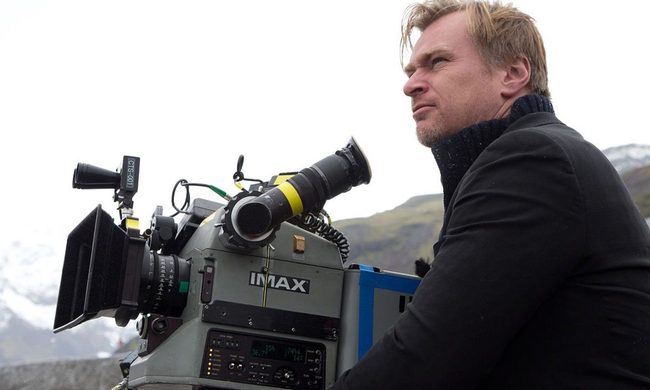
Christopher Nolan sits in front of an IMAX camera.

Christopher Nolan has spent his career embracing cutting-edge filmmaking technology while resisting one of the most common gadgets on the planet: the smartphone. The Oscar-winning director behind Oppenheimer, Inception, and the upcoming The Odyssey says his decision isn't about rejecting technology altogether. It's about protecting something he believes has become increasingly rare - time to think.

In an interview with The Telegraph ahead of the premiere of The Odyssey, Nolan explained that he still doesn't own a smartphone, despite living in a world where QR codes, digital tickets, and messaging apps have become everyday necessities. His reasoning, however, is far more practical than philosophical.

Read more
Letterboxd could find a new home at Netflix, but Sony is fighting for it, too
Netflix wants Letterboxd, but Hollywood isn't letting it go without a fight
Letterboxd

Letterboxd, the fast-growing social network for film lovers, could soon have a new owner. According to a report by Puck News, the New Zealand-based platform has been exploring a potential sale, attracting interest from several major entertainment companies, including Netflix, Sony Pictures Entertainment, and Paramount Skydance.

While no deal has been confirmed, the discussions highlight how valuable online fan communities have become as streaming platforms compete not just for viewers, but also for the audiences that influence what people watch next.

Read more