1. Home
  2. Social Media
  3. Mobile
  4. Photography
  5. News

Instagram says its A.I. can track down bullying in photos

Add as a preferred source on Google

New head of Instagram Adam Mosseri has kicked off his tenure at the top of the company by doubling down on efforts to eradicate bullying on the site.

Instagram already has a number of systems in place that automatically spot hurtful behavior like nasty comments, and now it’s turning to artificial intelligence to help it deal with images and captions that are used to bully people on the site.

Recommended Videos

Should Instagram’s systems spot any suspect content, it will be automatically passed to its Community Operations team for a final decision on whether any action should be taken against a suspected perpetrator.

“This change will help us identify and remove significantly more bullying,” Mosseri wrote in a post on Tuesday, October 9, describing it as a “crucial next step since many people who experience or observe bullying don’t report it.”

He said the new system will help it protect Instagram’s youngest community members as it’s this age group that experiences the highest rates of bullying online.

The new technology has begun to roll out and will reach all ‘grammers in the coming weeks.

Mosseri said Instagram has also expanded its bullying comment filter from Feed, Explore, and Profile to comments on live videos to ensure the feature remains a “safe and fun place” to connect with friends and share interests.

Instagram

Instagram is well aware that it’s escaped much of the negative publicity that’s hit its parent company, Facebook, in the past 18 months, and so, determined to maintain an upbeat vibe, it’s introducing a “kindness camera effect to spread positivity.” Launched with help from New York Times best-selling teen author, dancer, and actor Maddie Ziegler, who herself has experienced bullying online, the filter (above) adds a screenful of hearts to selfies, and overlays photos with “kind comments in many languages.”

If you follow Maddie, you’ll have access to the new camera effect automatically — simply swipe to open the camera, tap the face icon at the bottom, and select the new camera effect. If you don’t follow her but you see someone else with the effect, tap “try it” to add it to your camera.

The launch of the new features coincides with October’s National Bullying Prevention Month in the U.S., which aims to raise awareness of bullying prevention.

Trevor Mogg
Contributing Editor
Not so many moons ago, Trevor moved from one tea-loving island nation that drives on the left (Britain) to another (Japan)…
Snapchat Planets Meaning: Order, Rankings, and How Friend Solar System Works
Snapchat Planets turns your best friends list into a solar system, and yes, your orbit says a lot
Snapchat Planets being shown on the Snapchat app on iPhone.

Snapchat+ includes several exclusive features, but few have generated as much curiosity as Snapchat Planets. Part of the app's Friend Solar System, it transforms your Best Friends list into a planetary ranking, assigning each of your top eight friends a planet based on how often you interact.

From Mercury, which represents your closest friend, to Neptune, which represents your eighth closest, the system offers a quick visual snapshot of your interactions. But what do the different planets actually mean, and how does Snapchat decide who gets which one?

Read more
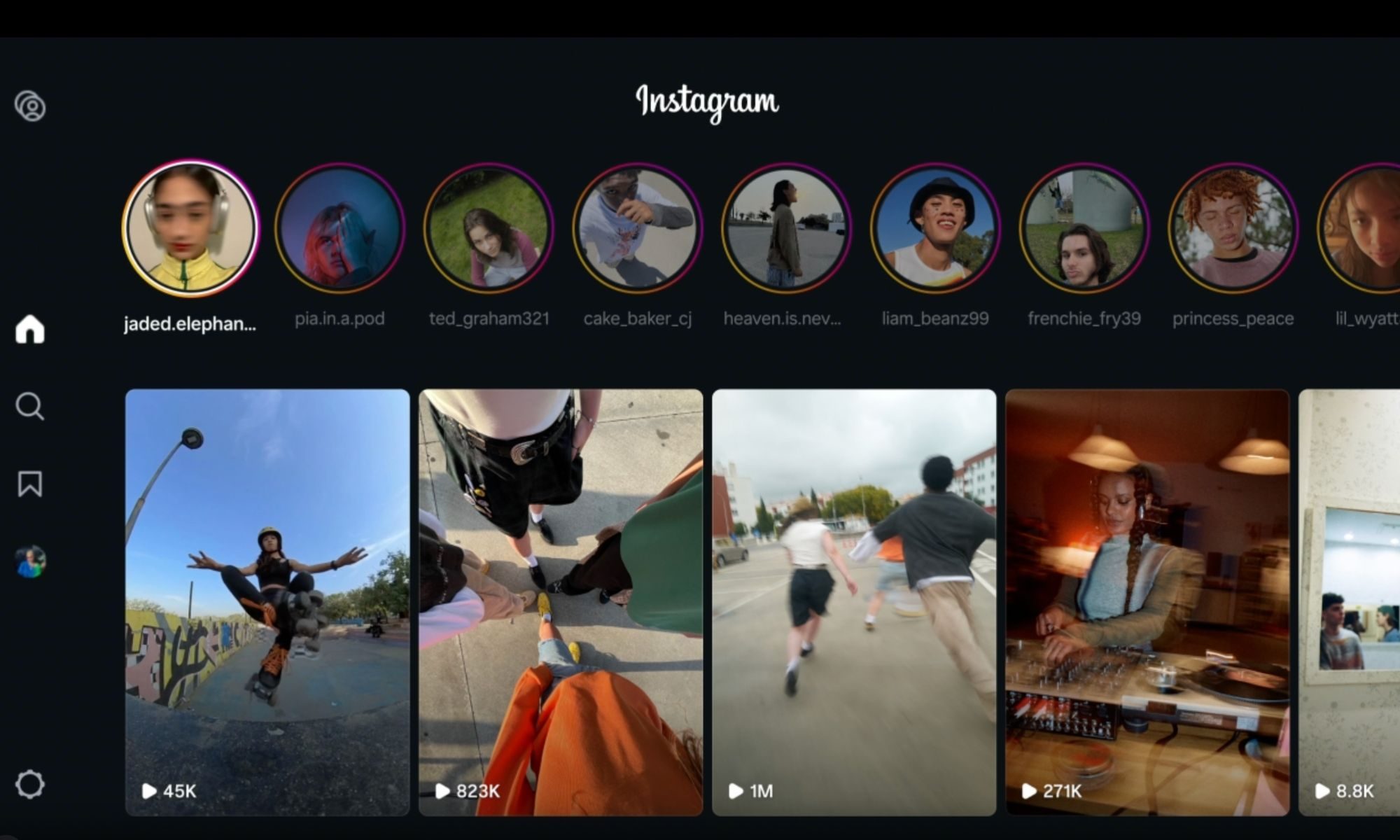
Instagram lands on Samsung TVs, with episodic series and live TV coming to your screen soon
Instagram for TV adds new features for group watching.
instagram-samsung-tv

Meta just expanded Instagram for TV to Samsung Smart TVs across the US, rolling out a bunch of new features built for group viewing. With Samsung now on board, Instagram for TV has officially landed on the three biggest connected TV platforms in the country.

https://twitter.com/metanewsroom/status/2069062429821026732?s=46

Read more
TikTok’s AI slop problem is worse than you think — and kids are seeing the most of it
TikTok

TikTok has spent years perfecting the art of knowing exactly what you want to watch next. Open the app, scroll a few times, and suddenly it’s serving videos that feel uncannily tailored to your interests. But what happens before TikTok learns who you are? According to new research from video editing platform Kapwing, the answer is increasingly AI slop.

The study found that nearly 60% of the videos shown to a brand-new TikTok account were low-quality AI-generated content. That’s not a niche problem buried in obscure corners of the platform. It’s the first impression TikTok is making on new users before the algorithm even begins personalizing their feed. And if that sounds concerning, the findings around children’s content are even harder to ignore.

Read more