1. Home
  2. Social Media
  3. Health & Fitness
  4. Web
  5. Legacy Archives

Russia says no social media at Sochi Olympics – Olympic Committee disagrees

Add as a preferred source on Google

There’s been some concern following a report last week inferring that journalists would be banned from using social media at the upcoming 2014 Sochi Winter Olympic Games in Russia this February. “[Capturing the games in real time] will be considered a serious violation and will result in cancellation of accreditation,” Vasily Konov, a Russian sports journalist who works for the state-run news agency RIA, announced at a seminar for reporters covering the event last week. That means no Facebook, Twitter, Vine, Instagram, or whatever else.

However, it appears Konov spoke too soon. Olympic Committee spokesman Mark Adams said that not only is social media allowed at the games, it’s encouraged. “Accredited media may freely utilise [sic] social media platforms or websites for bonafide reporting purposes.” He went on in a follow-up email to USA Today, “Please take as many photos as you like! Sharing pix on social media positively is encouraged.”

Recommended Videos

There was some controversy during the Summer Olympics in 2012, when tweets and Instagram images led to spoilers – although, plenty of that blame was also fittingly shifted to NBC broadcast delay. There was also a handful of racist and otherwise controversial tweets and Instagrams sent by competing athletes that put a damper on the games.

Still, the plethora of content that comes out of these two platforms can’t be denied. Athletes’ and reporters’ tweets and filtered photos served as a sort of sidebar, taking us deeper inside the articles and TV time spots – and to take them out of the conversation altogether wouldn’t only be a pain for those of us who like looking at them, but to the platforms themselves.

This isn’t the only controversy surrounding the Sochi Games. Russia’s negative attitude toward homosexuality has been much-discussed, and some gay athletes have decided not to participate in the competition. Social media has been very responsible for leading the charge against the Russian government’s homophobic policies, and there’s likely to be plenty more tweets, Instagrams, and whatever else during the games discussing this. Luckily, it appears reporters will have the ability to tweet and ‘gram away throughout.

Molly McHugh
Former Social Media/Web Editor
Before coming to Digital Trends, Molly worked as a freelance writer, occasional photographer, and general technical lackey…
Snapchat Planets Meaning: Order, Rankings, and How Friend Solar System Works
Snapchat Planets turns your best friends list into a solar system, and yes, your orbit says a lot
Snapchat Planets being shown on the Snapchat app on iPhone.

Snapchat+ includes several exclusive features, but few have generated as much curiosity as Snapchat Planets. Part of the app's Friend Solar System, it transforms your Best Friends list into a planetary ranking, assigning each of your top eight friends a planet based on how often you interact.

From Mercury, which represents your closest friend, to Neptune, which represents your eighth closest, the system offers a quick visual snapshot of your interactions. But what do the different planets actually mean, and how does Snapchat decide who gets which one?

Read more
Instagram lands on Samsung TVs, with episodic series and live TV coming to your screen soon
Instagram for TV adds new features for group watching.
instagram-samsung-tv

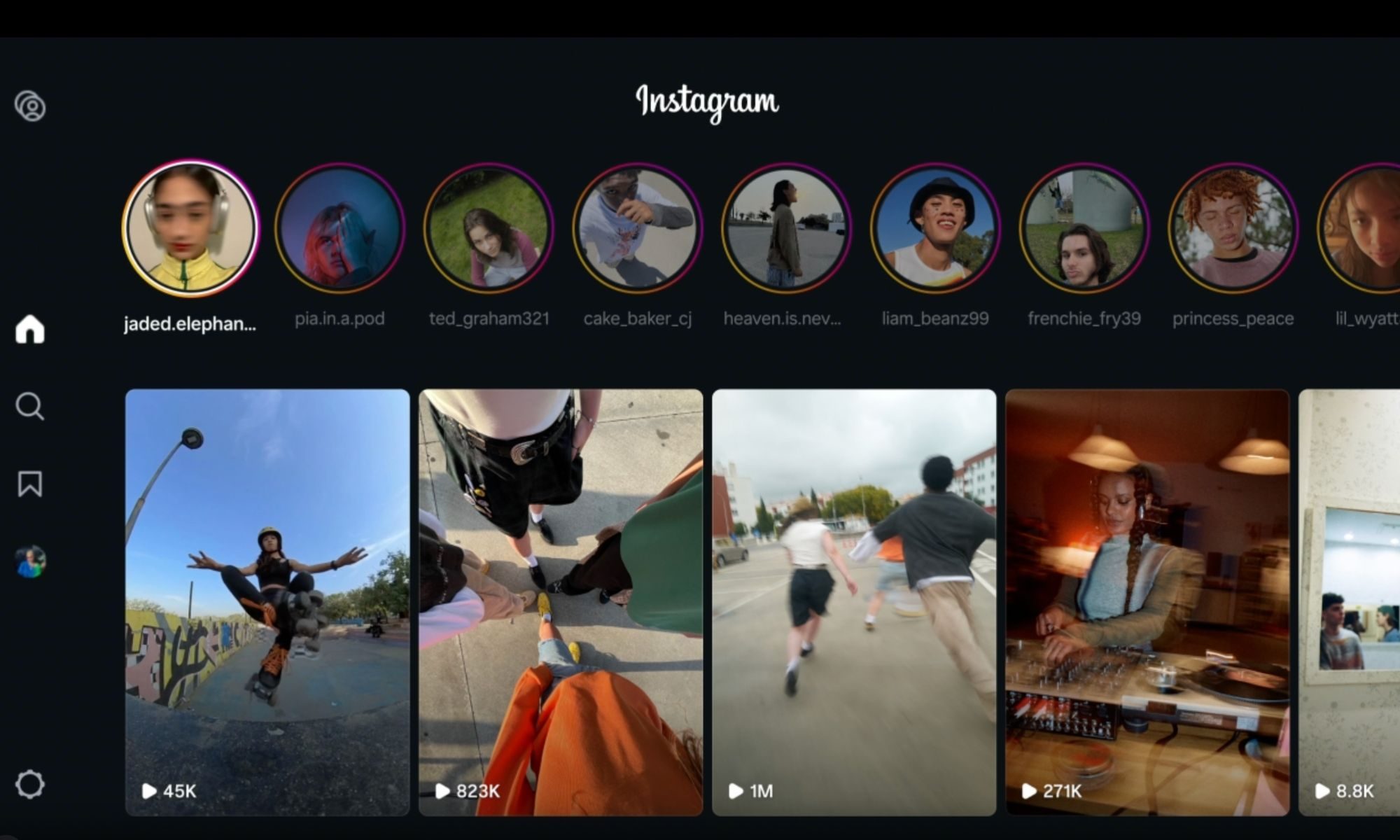
Meta just expanded Instagram for TV to Samsung Smart TVs across the US, rolling out a bunch of new features built for group viewing. With Samsung now on board, Instagram for TV has officially landed on the three biggest connected TV platforms in the country.

https://twitter.com/metanewsroom/status/2069062429821026732?s=46

Read more
TikTok’s AI slop problem is worse than you think — and kids are seeing the most of it
TikTok

TikTok has spent years perfecting the art of knowing exactly what you want to watch next. Open the app, scroll a few times, and suddenly it’s serving videos that feel uncannily tailored to your interests. But what happens before TikTok learns who you are? According to new research from video editing platform Kapwing, the answer is increasingly AI slop.

The study found that nearly 60% of the videos shown to a brand-new TikTok account were low-quality AI-generated content. That’s not a niche problem buried in obscure corners of the platform. It’s the first impression TikTok is making on new users before the algorithm even begins personalizing their feed. And if that sounds concerning, the findings around children’s content are even harder to ignore.

Read more