  1. Home
  2. Computing
  3. News

Oculus Touch costs even more in the U.K., which may negate Rift’s price advantage

Add as a preferred source on Google

Although it was hardly cheap, when the Oculus Rift was initially announced, its $600 price tag was certainly more favorable than the HTC Vive’s $800. That price advantage may not last much longer though, especially in the U.K., where Touch controllers are slated to cost 190 pounds ($246).

One of the big reasons that the Vive (our preferred headset) was more expensive at retail than the Rift was because it included a pair of tracked motion controllers. The tracking solution itself no doubt contributed, too, but the controllers were the obvious addition that caused the two options to so be differentiated by price.

Recommended Videos

The hope with the launch of Touch was that it would come in around the $100-$150 mark, giving the Rift a price advantage over the Vive even with controllers included. While we still don’t know if that will happen here, the Brits are losing out once again on price, as with a confirmed cost (thanks RoadtoVR) of 190 pounds, which would translate to a hefty $250. On top of that, stock looks to be so light that prospective buyers are being asked to put down a 50-pound ($65) deposit.

Oculus Touch controllers to cost £190 in the UK. Crikey. pic.twitter.com/zg9JTNiCg8

— Nick Summers (@ncksmmrs) September 20, 2016

That is even more expensive than we saw with a recent leak of the European pricing. German site MediaMarkt listed the controllers at 200 euros, which is just shy of $225. The page is down now, but VRTech managed to get a screengrab.

The launch date was slated for November 21.

Related: We’ve made a map so you can find the HTC Vive demo nearest you

If either of those prices translates over to the U.S., it would make the Rift a more expensive overall package than the HTC Vive. It may only be a few dollars, but it’s still a key factor when it comes to consumers picking which VR headset they want.

Of course Oculus’ Touch pack does come with more than just controllers. It also adds a second IR tracking camera to the mix, which improves tracking of the headset itself, and provides better coverage to make sure that the Touch controllers are never lost.

However, there have been arguments made in the past that the Vive tracking solution, with two sensors placed opposite each other, is more accurate and versatile for roomscale tracking than two Oculus Constellation cameras. Three or more cameras are usable with a Rift set-up, but those would require separate purchases, something that is not available yet.

In comparison, the Vive has a dedicated accessories page that lets you buy just about everything from spare controllers to extra trackers and nose pieces.

We’ll need to wait until the Touch controllers are released to really find out if tracking is comparable to the Vive’s solution and whether the Touch controllers are as good or better than the Vive’s wands, but it is starting to look unlikely that the Rift is going to remain the cheaper VR option in the near future.

Jon Martindale
Jon Martindale covers how to guides, best-of lists, and explainers to help everyone understand the hottest new hardware and…
Google Earth’s AI misadventure lasted only a day. It was a tale of dangerous ignorance.
Nuclear reactors, tanks, and historical destruction on a life-like satellite map? Yeah, that's bad.
Nano Banana AI image generator representation.

Technology behemoths are clearly not reading the room, or they are just moving faster than they should when it comes to AI deployment. Google has already stuffed its Gemini AI in every corner of its software stack, from Android to daily productivity tools like Gmail that are used by hundreds of millions of users every day. AI is everywhere. Not all of it is bad, mind you. But in a few places, it just feels forced.

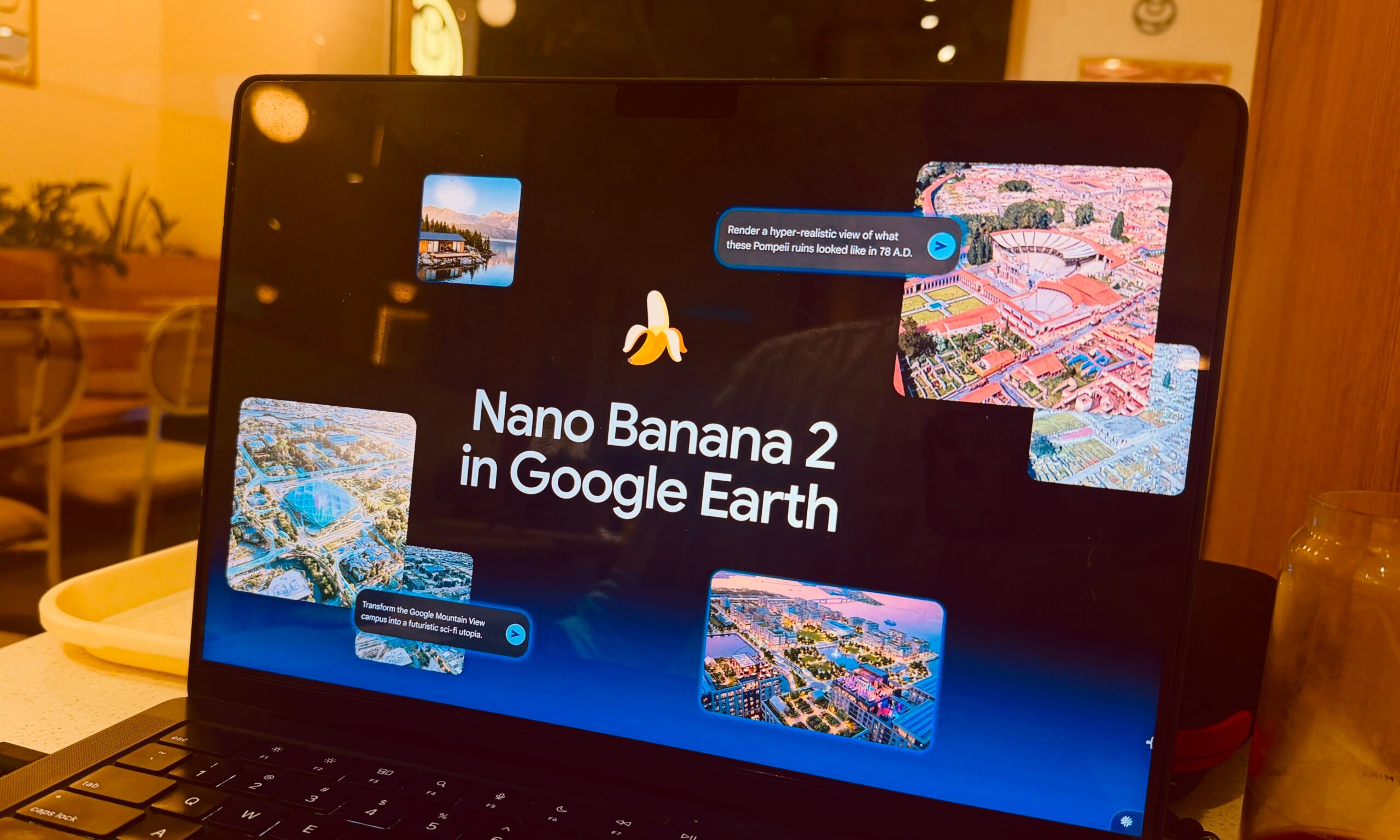
In its latest AI-fication experiment, the company targeted Google Earth. The idea was to let the audience use its Nano Banana 2 AI image generator and make images that can be placed on the map view. On paper, it's a cool idea. What would the Colosseum of Rome look like in your urban neighborhood? Yeah, fun stuff like that.

Read more
AMD is apparently gearing up to raise GPU prices right after Nvidia’s steep hike
AMD has reportedly told AIB partners about a price hike that goes into effect in. August.
AMD RX 7800

AMD is next in line to raise the asking price of its Radeon GPUs, merely days after the news of a similar hike coming for Nvidia graphics cards started making waves. As per ChannelGate on Weibo (h/t VideoCardz), AMD has informed its board partners that the price of GPU and memory bundles will go up by at least 10% in August.

Is a similar price hike coming for standalone graphics cards? I won't be surprised if that happens. The situation is so bad that AMD is planning to bring back graphics cards with 4GB of onboard memory. AMD just introduced the RX 9050 GPU, which costs $279. Notably, it's just $20 less than the RX 9060 XT that offers double the graphics memory.

Read more
Microsoft will make Windows work well with just 8GB RAM. We desperately need it
The dream of a reliable and affordable Windows laptop hinges on the next milestone at Microsoft.
Surface laptop on wooden table

The year 2026 has marked a huge course correction for Microsoft after years of frustrating users with plenty of confusing processes, unoptimized UI elements, and just the generous bloatware that can bring any Windows system to a crawl. Microsoft has finally shifted into a new phase. From fixing the right-click behavior to speeding up the Search system, the company has fixed plenty of papercuts.

The next major milestone is making Windows 11 run smoothly on Windows PCs with just 8GB of RAM. That directly means entry-level and budget laptops will at least get the basics right, even if that means sacrificing the on-device AI bells and whistles. Let's face it. The increasingly AI-first approach to computing on a Windows 11 machine is a little too taxing on the hardware at hand.

Read more