1. Home
  2. Cars
  3. Photo Galleries
  4. News

Robots will scan every inch of BMW’s next 5 Series for defects

Add as a preferred source on Google

Why do something yourself when there are robots around?

BMW claims to be the first carmaker to use an automated optical-measuring system to generate virtual 3D models for development projects. The system uses robot arms with sensors to scan a car and take precise measurements, which are then used to generate the 3D model. BMW says this technology is being used to develop its next 5 Series sedan.

The optical measuring “cell” includes two robot arms mounted on rails that run parallel to the car being measured. Since the pair of robots can scan both sides of the car simultaneously, BMW says this setup provides optimal efficiency. Each robot is equipped with two sensors that scan parts of the vehicle in patches, which are then digitally stitched together to create a 3D model. The whole process takes a few days, and is fully automated.

Read more: Ford turns shipping containers into a mobile wind tunnel

BMW plans to use optical measuring to detect defects in cars as it transitions new models from development to production. It allows engineers to detect defects in early-build examples of those new models so that adjustments can be made before full-scale production starts. BMW believes the new measuring system will streamline this process by identifying defects quicker. It previously used the technology in toolmaking to measure parts and inspect tools.

The next-generation 5 Series replaces a model that has been on sale since 2011, so it’s about time for a redesign. Expect the new model to offer a range of turbocharged four- and six-cylinder engines, plus a first-ever plug-in hybrid version. The M5 performance model will return as well, and BMW may also offer an updated version of the ungainly 5 Series Gran Turismo hatchback.

Look for the new 5 Series at the 2016 Paris Motor Show this fall. It will likely go on sale next year as a 2017 model. More details will be revealed in the coming months.

Stephen Edelstein
Stephen is a freelance automotive journalist covering all things cars. He likes anything with four wheels, from classic cars…
Google Maps’ biggest Android Auto upgrade is reaching more users
Google Maps is finally giving Android Auto users directions with a little more drama.
Electronics, GPS, Car

Google is widening the rollout of two long-awaited Google Maps features for Android Auto users: Immersive Navigation and a built-in live speedometer. After months of limited availability, reports suggest both features are now reaching a broader group of users, including people running stable versions of Google Maps instead of beta builds.

The update is part of Google's ongoing effort to modernize the Android Auto navigation experience. While the company unveiled Immersive Navigation earlier this year as one of the platform's biggest upgrades in years, the feature has been trickling out slowly, leaving many users without access. That appears to be changing, with more devices now receiving the update through a server-side rollout.

Read more
Tesla’s hidden door problem might end up fixing every car in America
This could permanently change how emergency exits are designed in American passenger vehicles.
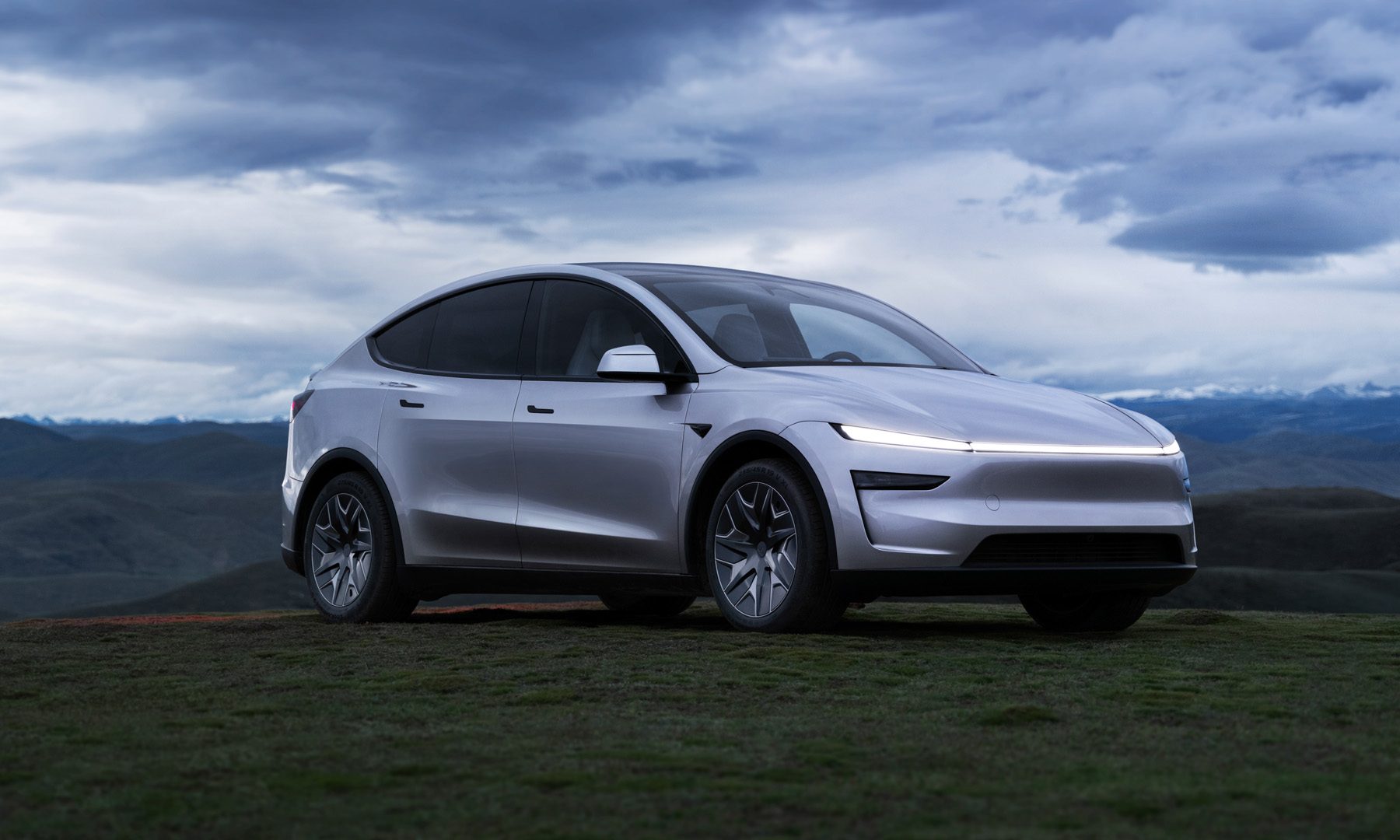
Tesla Model Y Long Wheelbase Featured

Tesla's electronic door handles have been a safety talking point for years, mostly on Reddit threads and EV forums where people debate whether sleek design is worth the tradeoff when a car is on fire and power is out. 

Now the US government has formally weighed in (via The Washington Post). The outcome, I’d say, is bigger than most people think.

Read more
Ford’s UEV platform will feature Apple Maps built in
The integration will run through Apple's new MapKit for Automotive SDK and skip CarPlay's phone-mirroring approach.
Car, Transportation, Vehicle

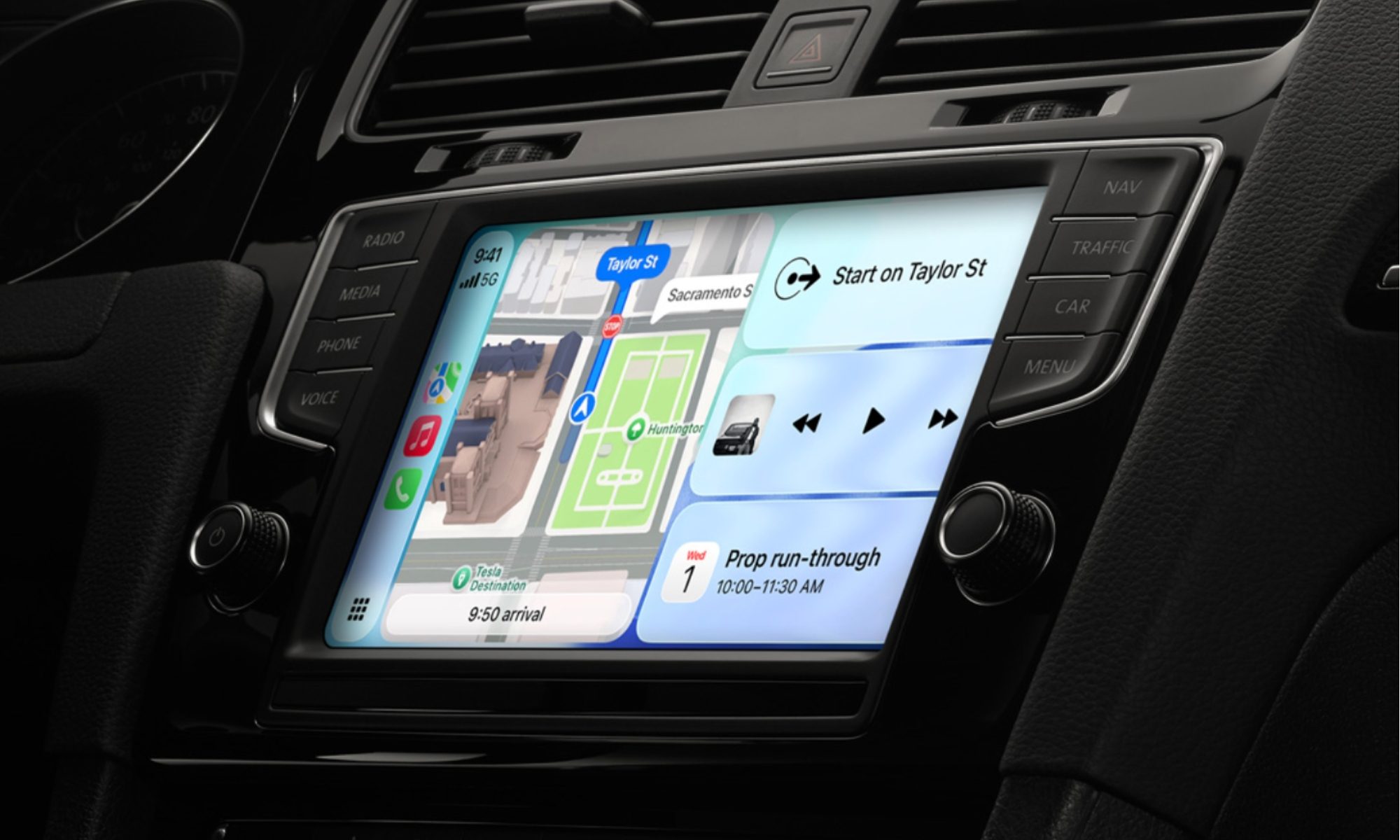
Ford's upcoming budget electric vehicle won't force you to choose between a built-in map and one borrowed from your phone. Apple announced today that Ford's Universal Electric Vehicle (UEV) platform will ship with Apple Maps running natively on the car's screens. The feature will arrive in 2027 through Apple's new MapKit for Automotive SDK, a toolkit that lets automakers build Apple Maps straight into their dashboards.

An infotainment system that doesn't need your phone plugged in

Read more