1. Home
  2. Emerging Tech
  3. News

After successful tests in Rwanda, Zipline’s medicine delivery drones are headed to the U.S.

Add as a preferred source on Google

Rural areas are often underserved when it comes to medical care, but that may change thanks to the work of Zipline. The California-based company recently developed a drone delivery system that provides critical medical products to areas that lack roads and other infrastructures. “One delivery, one life saved. It’s that simple,”the company proclaims on its website.

The drone delivery system is centered on Zip, a small robotic airplane designed to carry vaccines, medicine, and blood to rural areas. To handle such precious cargo, the drone is equipped with safety features borrowed from the commercial airliner industry that’ll make the remote control airplane nearly crash free. Individual drones can carry supplies for small areas, while a fleet of Zips can provide much-needed medicines and more for millions of people.

Zipline - Delivery Route
Image used with permission by copyright holder

The Zip Service allows a health worker to place an order for medical supplies via text messaging. Almost immediately, a team loads the drone with the requested cargo and prepares the drone for flight. Once in the air, the drone can fly autonomously at speeds of up to 60 miles per hour, moving the cargo faster than any conventional mode of transportation. When it arrives at its destination, the drone only needs an open ares the size of two parking spaces to safely land and deliver its supplies.

Zipline - Team
Image used with permission by copyright holder

Zipline launched in 2014 and already is operating its service in Rwanda, partnering with the government to provide blood products for 20 hospitals and health care centers in the rural nation. The company launched its service this summer and plans to be operational in half the country by the end of the month.Because Rwanda is relatively small, Zipline is able to provide service to a majority of the country from a single, centrally-located home base. Once its Rwanda operation is established, Zipline plans to expand to the US, servicing remote areas in its home country starting with Maryland, Nevada, and Washington.


Kelly Hodgkins
Kelly's been writing online for ten years, working at Gizmodo, TUAW, and BGR among others. Living near the White Mountains of…
Google just canceled its AI Studio mobile app, and it’s not all bad news
Logo, Symbol, Disk

Google AI Studio was on track to make its way to Android and iPhone, giving developers and AI enthusiasts a dedicated place to build prompts and experiment with Google's latest models from their phones.

That's no longer happening. In a post shared by the official Google AI Studio account on X, Google confirmed that it's canceling the standalone AI Studio mobile app before launch. The announcement comes despite the company saying nearly 800,000 people had already pre-ordered the app across iOS and Android.

Read more
Google Earth’s AI misadventure lasted only a day. It was a tale of dangerous ignorance.
Nuclear reactors, tanks, and historical destruction on a life-like satellite map? Yeah, that's bad.
Nano Banana AI image generator representation.

Technology behemoths are clearly not reading the room, or they are just moving faster than they should when it comes to AI deployment. Google has already stuffed its Gemini AI in every corner of its software stack, from Android to daily productivity tools like Gmail that are used by hundreds of millions of users every day. AI is everywhere. Not all of it is bad, mind you. But in a few places, it just feels forced.

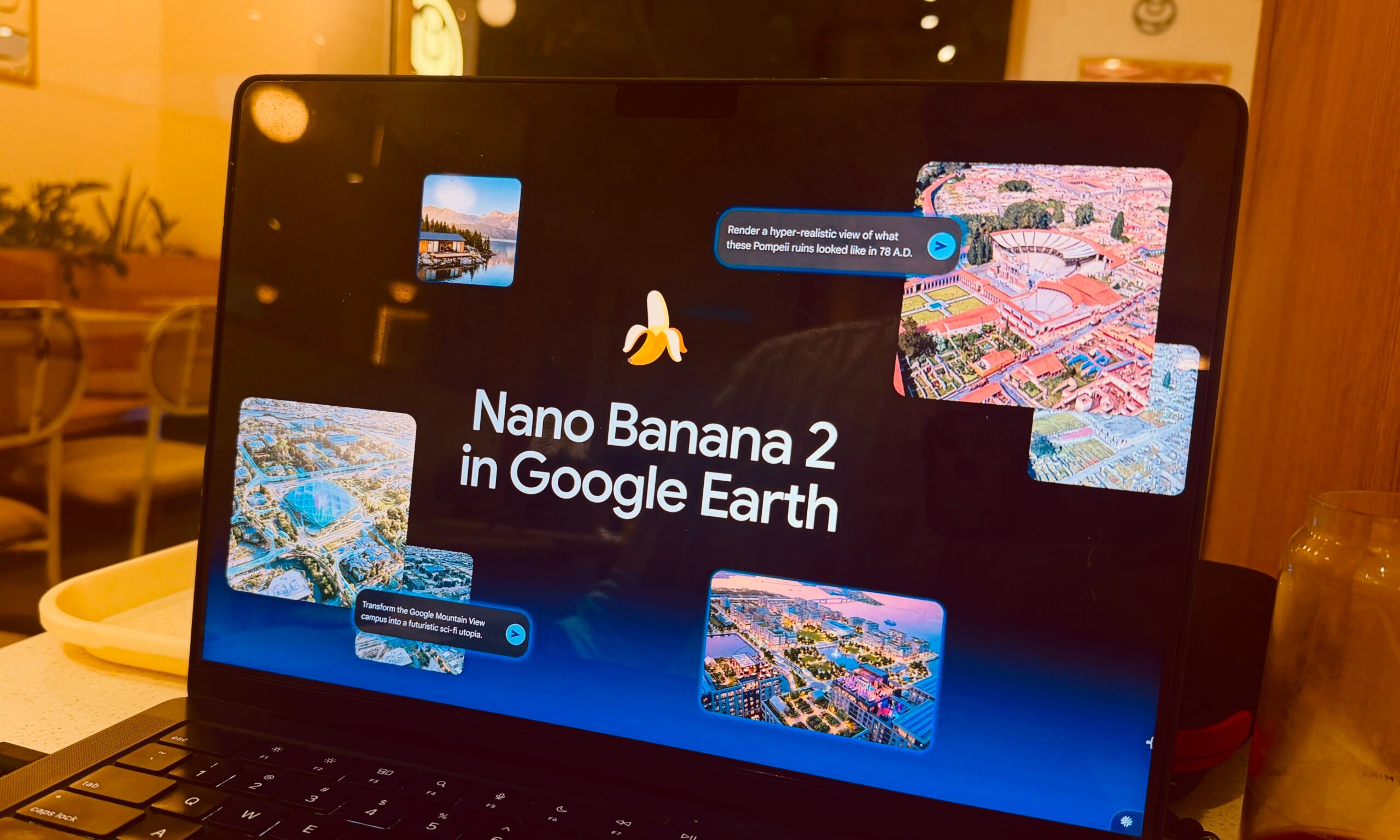
In its latest AI-fication experiment, the company targeted Google Earth. The idea was to let the audience use its Nano Banana 2 AI image generator and make images that can be placed on the map view. On paper, it's a cool idea. What would the Colosseum of Rome look like in your urban neighborhood? Yeah, fun stuff like that.

Read more
Google’s new AI gives robots better balance, smarter hands, and teamwork capabilities
Google just made robots a lot less clumsy and a lot more helpful.
Gemini robotics 2.0

Google DeepMind just brought sci-fi robots closer to reality, and it is very exciting. Building on its original Gemini Robotics model, the company has introduced Gemini Robotics 2, an AI system designed to help robots think, move, and even work together. Unlike most robots today, which rely on pre-programmed routines or someone controlling them remotely, this new system lets robots figure things out on their own when situations get unpredictable.

Can robots finally handle whole-body tasks?

Read more