1. Home
  2. Social Media
  3. News

Tech giants oppose social media screening proposal for travelers

Add as a preferred source on Google

Internet giants and tech rights groups are rallying against a proposal by the Department of Homeland Security (DHS) that targets foreign travelers’ social media information.

Announced in June, the proposal seeks to add social media username details to the arrival and departure forms that foreign nationals are required to complete. The DHS has previously stated that the policy would provide it with another tool with which to identify extremists entering the country.

Recommended Videos

A number of leading tech companies, represented by their main trade group the Internet Association, came out in opposition to the proposal on Monday, reports Politico. The firms — which include Google, Facebook, and Twitter — claim the DHS’ plans could “have a chilling effect on use of social media networks, online sharing and … free speech online.”

“Should the U.S. Government advance with the DHS proposal it is probable that other countries will make similar requests of visitors entering their country, including U.S. citizens,” the companies wrote in comments to the agency. “This will be true for democratic and non-democratic countries alike, including those that do not have the same human rights and due process standards as the U.S.”

In response, the DHS has emphasized that even if enforced the policy would only make it “optional” for travelers to provide their social media information.

Additionally, the draft rule is also facing criticism from a coalition of 28 rights groups. A letter addressing the DHS published on the Center for Democracy and Technology’s website states: “This program would invade individual privacy and imperil freedom of expression while being ineffective and prohibitively expensive to implement and maintain.” Other signees include the Electronic Frontier Foundation, the Committee to Protect Journalists, and the Consumer Federation of America.

The DHS has been under pressure to formulate a social media policy since the San Bernardino mass shooting, the perpetrators of which had been posting extremist content online in the lead-up to the attack. Initially, the “social media identifiers” sought by the DHS had been restricted to travelers with visa applications. The current proposal, however, extends the rule to apply to those travelling without a visa.

Saqib Shah
Saqib Shah is a Twitter addict and film fan with an obsessive interest in pop culture trends. In his spare time he can be…
Meta’s latest courtroom losses expose a potential hole in social media’s strongest defense
Plaintiffs are treating engagement features as deliberately designed products, an argument that could make Section 230 far less useful
facebook

Two jury losses have given plaintiffs momentum against Meta, but they haven’t rewritten the rules for social media. One case relied on New Mexico consumer-protection laws. The other asked a California jury whether addictive design contributed to a young woman’s mental-health issues.

The verdicts, detailed by The Wall Street Journal, reached Meta through different legal routes. Together, they suggest Section 230 becomes a less dependable shield when a lawsuit centers on choices made by the platform itself.

Read more
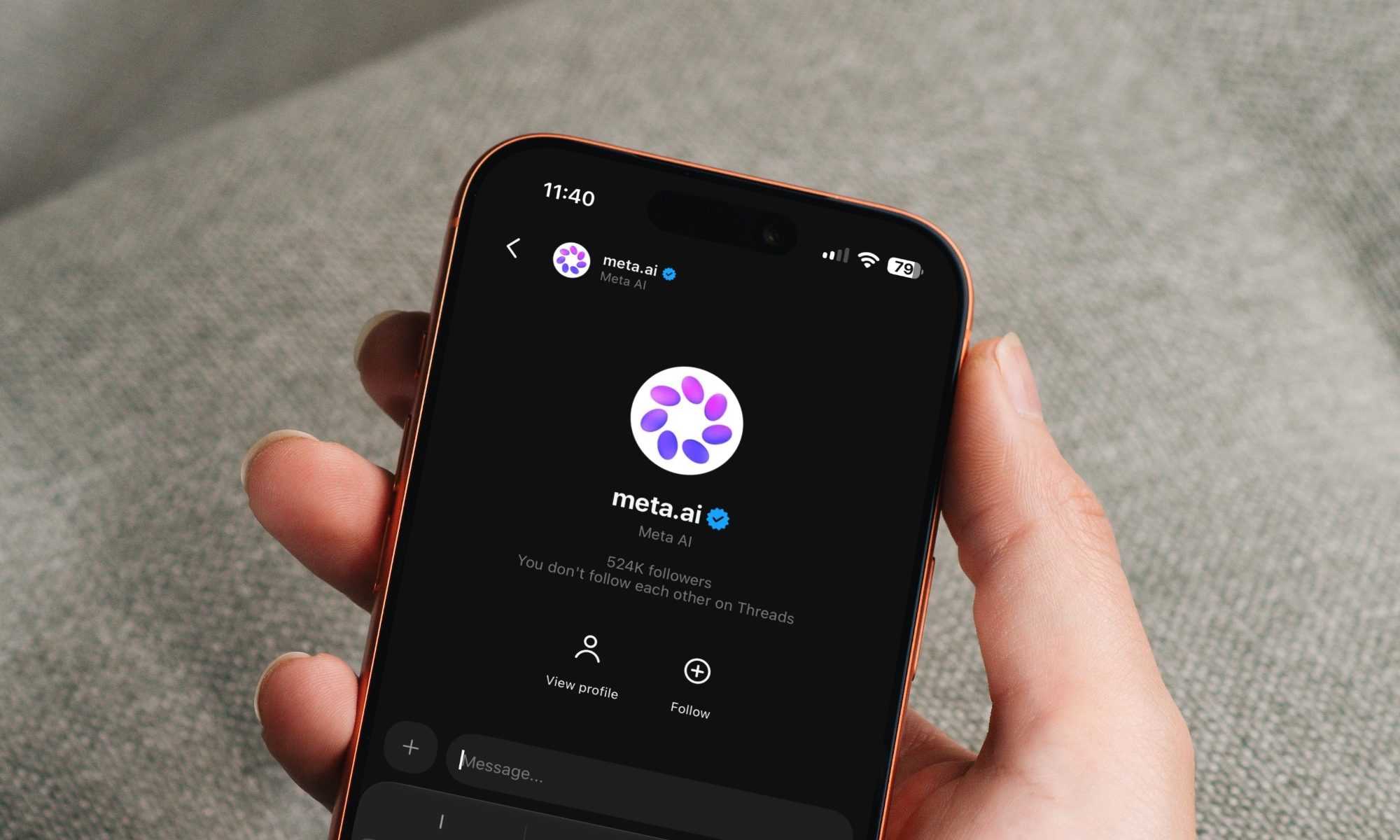
Meta AI is moving into your Threads DMs, where awkward AI chats belong
Because not every AI conversation deserves a spot on your followers' timeline.
Meta AI in threads DM

One of the reasons Grok AI became so popular is because it let people chat with it directly on X, resulting in some hilarious conversations. And while the public availability of Grok AI on X has resulted in numerous safety issues, there's no denying that this openness played a major role in its rise. 

It seems Meta wanted the same, which became evident when the company started testing Meta AI directly on Threads a few months ago, letting users chat with it right in their feed. But not everyone was comfortable having those conversations out in the open, so Meta has just moved its Meta AI inside your Threads’ DMs. 

Read more
X Money is finally here, and it’s much more than a digital wallet
The new financial service aims to turn X into an app where users can pay, save, spend, and send money.
X Money featured

Elon Musk's vision of turning X into an "everything app" has taken another major step forward. The company has officially begun rolling out X Money to Premium and Premium+ subscribers in the United States. Rather than being just another digital wallet, X Money is designed as a full-fledged financial hub built directly into the social platform, allowing users to send money, receive payments, hold cash, earn interest, and spend through a Visa debit card—all without leaving the X app.

What is X Money, and who is it for?

Read more