1. Home
  2. Emerging Tech
  3. News

A NASA probe is headed to a nearby asteroid, and will bring part of it back to Earth

Add as a preferred source on Google

While it may not have made major headlines, a rocket was launched this week with a groundbreaking payload: the first spacecraft designed to bring back samples from a faraway asteroid. Its final destination is the asteroid Bennu, a 510 million mile trip that is expected to take about two years.

The $800 million OSIRIS-REx mission isn’t just about collecting the sample. It will orbit the asteroid for about two years to study it, and then make a close approach in July 2020 to scoop up some regolith, the scientific name for the dirt and rocks on the asteroid’s surface.

Recommended Videos

If all goes well, the probe will return to Earth September 2023. The canister will hold less than five pounds of the sample, but scientists hope what they find in that regolith will help to explain the early formational period of our own solar system.

Scooping up — and then returning — dirt from an asteroid’s surface is no small feat. Scientists controlling the craft would need to delicately place the craft within 11 feet of the surface, and then extend an arm with a circular disk to the surface. Once that disk touches the surface, it would blast nitrogen against the surface, which would be blown up and into the canister.

Depending on how well things go, between two ounces to 4.7 pounds of dust would be retrieved, and then the probe will be redirected back towards Earth for processing. If successful, it will be the largest amount of material retrieved and returned to Earth since the manned Apollo moon missions in the 1960s and 1970s.

It’s an exciting project; one that could change what we think we know about the earliest days of the solar system

“We’re going to reach out and touch it and bring treasure back to Earth for scientific analysis,” principal scientist Dante Lauretta of the University of Arizona at Tucson. “The asteroids record the earliest stages of the solar system so it really is a time capsule from the very dawn of the history of our solar system.”


Ed Oswald
For fifteen years, Ed has written about the latest and greatest in gadgets and technology trends. At Digital Trends, he's…
Yet another study says AI is bad for elections, and the rabbit hole gets worse
AI may be an election bomb waiting for someone to light the fuse
Voters cast their ballots on Election Day

Another election, another study has concluded that asking an AI chatbot for political guidance is a spectacularly bad idea. Research conducted during Hungary’s 2026 parliamentary election found that ChatGPT and Google Gemini offered not just inaccurate but also inconsistent and unreliable voting advice. The chatbots misclassified voter profiles, overlooked relevant parties, recommended parties absent from the ballot, and sometimes produced materially different answers when given the same information repeatedly.

AI keeps failing the voter test

Read more
Samsung’s humanoid robot ambitions are real, but factories come first
Samsung’s new robotics division has humanoids in its sights, although its immediate business is far more practical factory automation
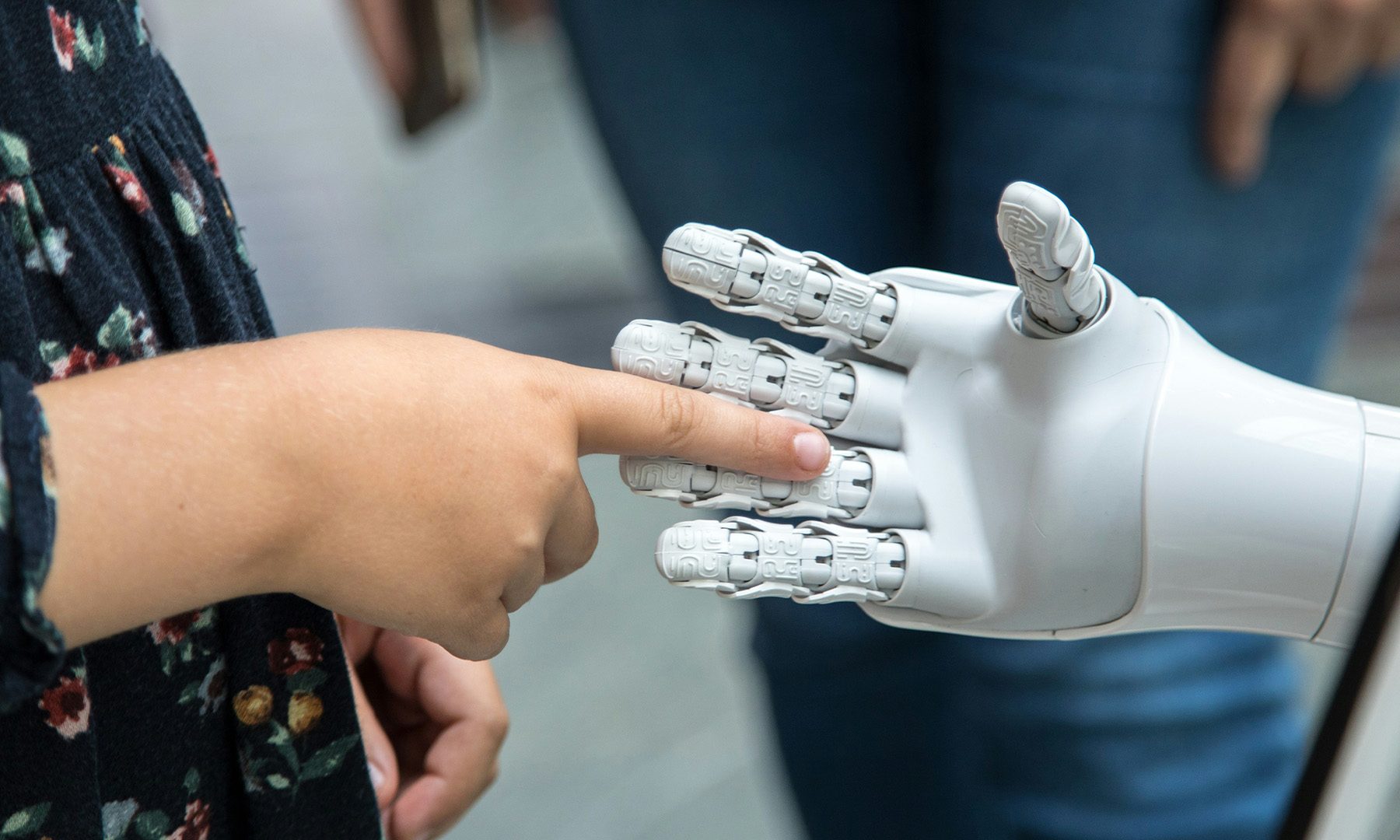
Robot Touch Human Finger

Samsung wants a place in the humanoid race, but its new robotics push begins with machines built for factories rather than homes.

The CEO-led RX robotics division will initially focus on manufacturing robots. Samsung has separately identified humanoids as a priority, although it hasn’t announced a commercial model or explained where one fits into the division’s immediate plans.

Read more
The future of AI may depend on this one behind-the-scenes change
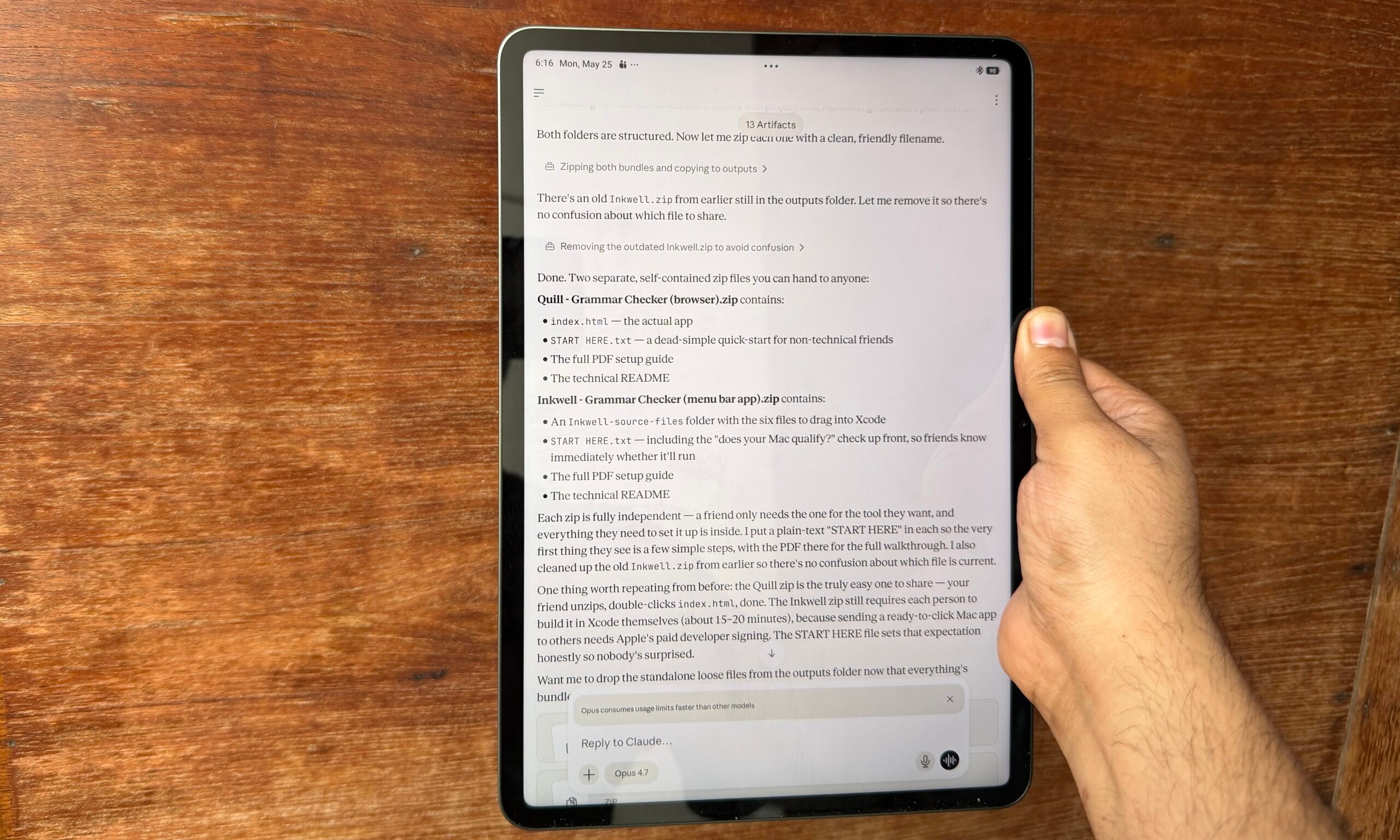
Running Claude on Android.

Whenever a new AI model arrives, it's easy to get caught up in the bells and whistles. We talk about how much smarter it is, how quickly it answers questions, or how realistic its images have become. But here's the thing: none of that matters much if the AI can't reliably work with the apps and services people use every day.

That's why an upcoming update to the Model Context Protocol (MCP) caught my attention. It isn't a new chatbot or a fancy AI model. In fact, most people will never even know it's happening. But it could quietly make the AI ecosystem a lot healthier. If you've never heard of MCP before, don't worry. Think of it as a shared language that lets AI assistants safely talk to apps like Gmail, Slack, calendars, databases, and countless other services. Instead of every company inventing its own way to make those connections, MCP gives everyone a common rulebook.

Read more