1. Home
  2. Cars
  3. News

Audi’s electric SUV, slated for a 2018 launch, will simply be called ‘e-tron’

Add as a preferred source on Google

German automakers have never been big on names. While carmakers from other countries try to use evocative nomenclature to sell their wares, German firms seem to view names as trivial. Audi is staying true to form with the name of its upcoming electric SUV.

Due in 2018, the SUV will simply be known as the “e-tron,” Audi CEO Rupert Stadler told British car magazine Autocar in a recent interview. That’s not far off from the e-tron quattro name used for the 2015 Frankfurt Motor Show concept that previewed the SUV. It also contradicts numerous reports that the model would be called the Q6 e-tron, which would have fit with Audi’s current SUV naming scheme.

Recommended Videos

Stadler said the somewhat laconic e-tron name was intended to evoke the “quattro” name used on Audi’s first all-wheel drive model (formally known as the Coupe quattro) back in the 1980s. As with quattro, e-tron will also be used to denote both a specific model and a piece of technology. So Audi will continue to use the e-tron designation to denote electrified powertrains in other models.

Read more: Audi kills its R8 e-tron with less than 100 units built

Audi introduced the e-tron name in 2009 for a concept car that was essentially an electric version of the R8 supercar. Since then, it has applied the name to the A3 Sportback e-tron and Q7 e-tron plug-in hybrids (the latter isn’t sold in the U.S.), and the short-lived R8 e-tron electric car which, like the original e-tron concept, was an electric version of the R8.

The production Audi e-tron will likely retain styling elements and the powertrain from the e-tron quattro concept that debuted in Frankfurt last year. That means three electric motors producing a combined 430 horsepower, and a range of around 300 miles on the European testing cycle. Audi plans to start production at a factory in Belgium in time for a 2018 launch.

The SUV will likely be the first of several Audi electric cars. Last year, the automaker said it expects electric cars to account for 25 percent of its U.S. sales by 2025. The move is driven by stricter emissions standards, as well as competition from Tesla Motors and Audi’s German rivals, which are planning more electric cars of their own.

Stephen Edelstein
Stephen is a freelance automotive journalist covering all things cars. He likes anything with four wheels, from classic cars…
A new AI model wants self-driving cars to think before they swerve
Forget guessing games, this self-driving AI actually shows its work.
Self driving car

Self-driving cars have gotten pretty good at driving. The harder problem is teaching them to drive safely in situations nobody planned for. We have heard horror stories of self-driving cars, behaving erratically in emergency situations, often times delaying first responders from reaching the scene.

A team at Seoul National University, led by professor Jun Won Choi from the Department of Electrical and Computer Engineering, thinks they have cracked part of that puzzle with a new AI model called SafeDrive. The research was recently selected as a highlight paper at CVPR 2026, a distinction that goes only to roughly 3% of all submissions.

Read more
Your next car’s software update could become its biggest security risk
Your next car could receive updates like your smartphone. That's also becoming a cybersecurity nightmare.
OTA technology allows manufacturers to remotely deliver software updates.

Modern cars are no longer machines that stay the same after they leave the showroom. Increasingly, they're becoming software-defined vehicles that receive new features, bug fixes, and security patches wirelessly, much like smartphones. But while over-the-air (OTA) updates have made vehicle maintenance easier and cheaper, cybersecurity experts are warning that the same technology could also become one of the automotive industry's biggest security challenges.

Researchers and policymakers are now calling for stronger oversight as connected vehicles become increasingly dependent on remote software updates. Their concern isn't just about hackers stealing personal data. It's about someone potentially interfering with the operation of a moving vehicle.

Read more
This sleek Chinese EV pairs supercar styling with three AI brains
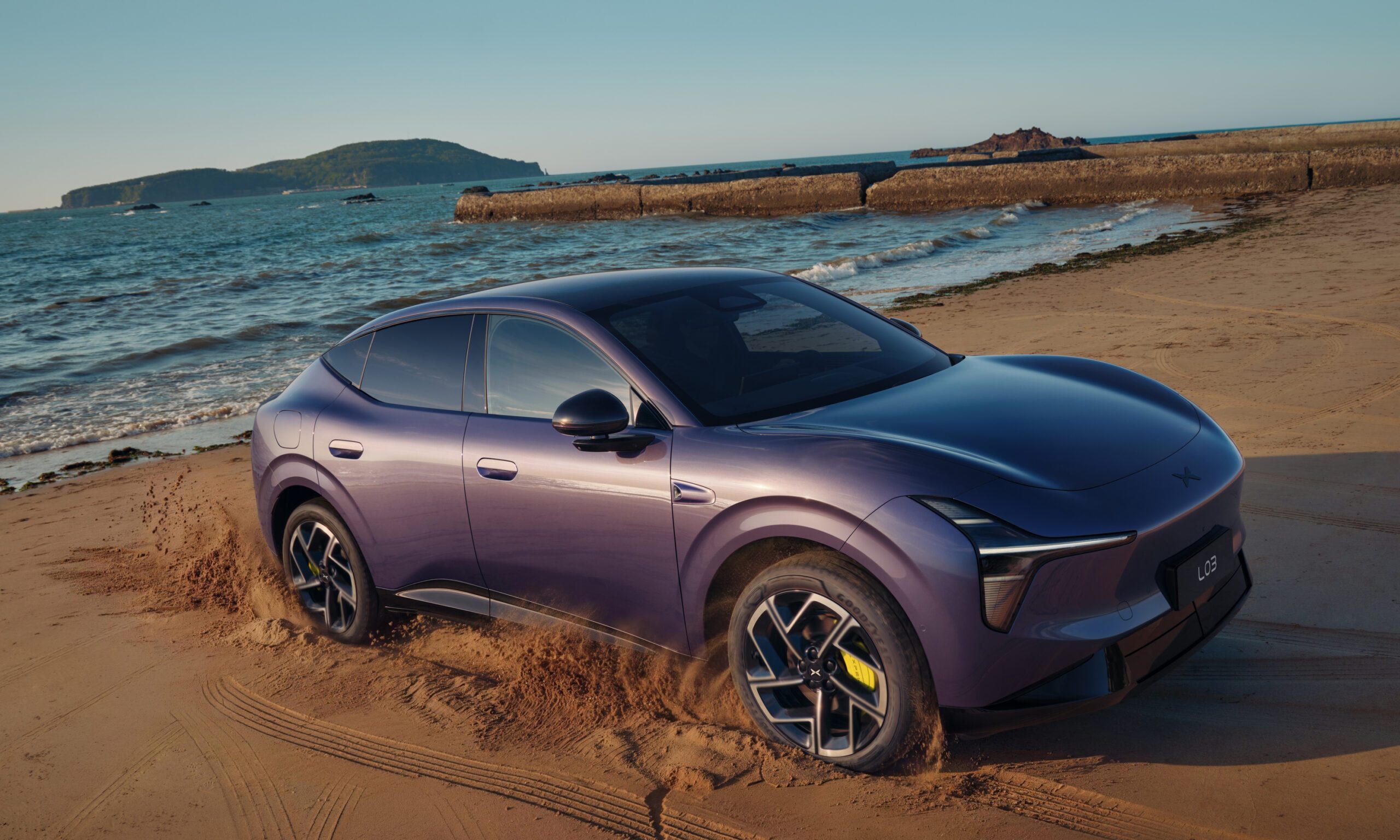
The Xpeng L03 is an AI supercomputer disguised as a stylish family SUV
Xpeng L03

Xpeng’s latest electric vehicle carries enough processing power to make the term "smart car" actually sound more realistic than it actually is. The new Xpeng L03 debuted simultaneously in Europe and China on July 16, with the company presenting it across 65 markets. Available as a fully electric vehicle and an L03 Power X range-extender, the coupe-SUV is Xpeng’s most internationally focused model so far. Market-specific prices and sales dates remain unannounced.

Three AI chips and Google Maps built right in

Read more