1. Home
  2. Cars
  3. News

Driverless trucks with humans onboard will be necessary, regulators say

Add as a preferred source on Google

Driver not needed, but required. Tesla CEO Elon Musk told the world the company was going to develop the Tesla Semi in July. At the time, he surprisingly suggested the driverless vehicle would probably need a driver anyway, at least for a while, as reported by Electrek.

It was during the announcement of the Tesla master plan part deux, when Musk first talked about the truck. “We believe the Tesla Semi will deliver a substantial reduction in the cost of cargo transport while increasing safety and making it really fun to operate.”

Recommended Videos

More recently, according to Electrek, Musk told CNBC the first trucks will be used to gather data for regulators as well as add a level of safety. “It’ll be a few years after trucks can self-drive before regulators have seen enough data to feel comfortable not having a driver in the car,” Musk said. “I think it’ll actually be a big safety improvement because you get a lot of accidents when drivers are tired behind the wheel.”

In time, after Tesla and federal regulations are assured Tesla Semis can drive themselves, human drivers will shift roles to become “fleet managers,” overseeing the operation of the truck while the self-driving system does the actual driving.

Tesla and Musk have already stated that all vehicles going forward will have the full suite of autonomous driving hardware. The software required for Level 5 autonomous driving, the highest level where human drivers are not required or potentially even accommodated for any driving condition, is expected to be ready for release near the end of 2017.

The Tesla Semi and Tesla Minibus are scheduled to be unveiled in three to six months, with production starting in two to three years. When the Tesla Semi does come to market, safety and lowered cargo transport costs are likely to have a greater impact on its success than being ‘fun to operate’ for former drivers.

Bruce Brown
Bruce Brown Contributing Editor   As a Contributing Editor to the Auto teams at Digital Trends and TheManual.com, Bruce…
Waymo’s driverless cars keep getting parking tickets in Austin, and humans aren’t the only ones complaining
Waymo vehicles have collected $9,325 in Austin fines as repeated parking mistakes turn into a fleet-wide operational problem
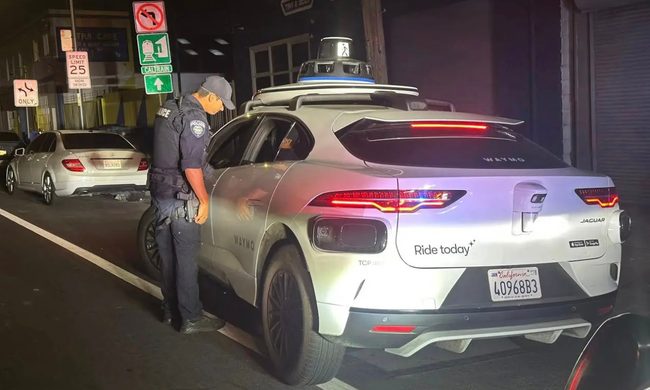
A police officer investigating an empty Waymo car.

Waymo’s 83 parking citations in Austin don’t amount to a financial crisis. They do reveal what happens when the same driving decisions are repeated across an autonomous fleet.

City records obtained by The Wall Street Journal show that Waymo vehicles have accumulated $9,325 in fines since arriving in 2024. The company has paid most of them, but the more revealing detail is how often its cars have made the same mistake.

Read more
Google Maps’ biggest Android Auto upgrade is reaching more users
Google Maps is finally giving Android Auto users directions with a little more drama.
Electronics, GPS, Car

Google is widening the rollout of two long-awaited Google Maps features for Android Auto users: Immersive Navigation and a built-in live speedometer. After months of limited availability, reports suggest both features are now reaching a broader group of users, including people running stable versions of Google Maps instead of beta builds.

The update is part of Google's ongoing effort to modernize the Android Auto navigation experience. While the company unveiled Immersive Navigation earlier this year as one of the platform's biggest upgrades in years, the feature has been trickling out slowly, leaving many users without access. That appears to be changing, with more devices now receiving the update through a server-side rollout.

Read more
Tesla’s hidden door problem might end up fixing every car in America
This could permanently change how emergency exits are designed in American passenger vehicles.
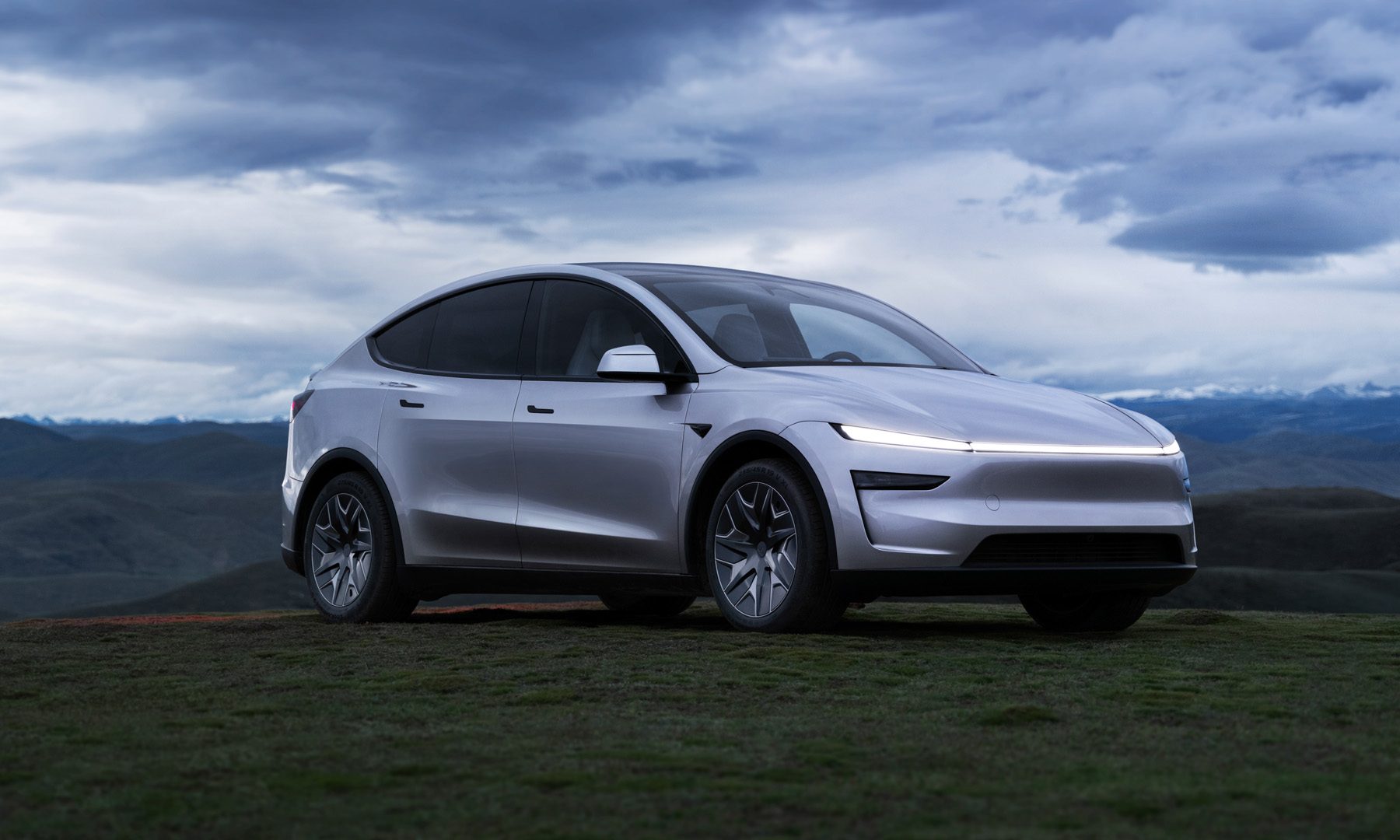
Tesla Model Y Long Wheelbase Featured

Tesla's electronic door handles have been a safety talking point for years, mostly on Reddit threads and EV forums where people debate whether sleek design is worth the tradeoff when a car is on fire and power is out. 

Now the US government has formally weighed in (via The Washington Post). The outcome, I’d say, is bigger than most people think.

Read more