1. Home
  2. Phones
  3. Mobile
  4. News

Amazon ordered to start giving refunds to parents for their kids’ in-app buys

Add as a preferred source on Google

Amazon has been told to start organizing how it’s going to pay back millions of dollars to parents whose kids made in-app purchases on their mobile devices without permission.

A court in Amazon’s home city of Seattle on Thursday ordered the ecommerce giant to set up a notice-and-claims process early next year to notify eligible parents of the refunds, and to pay them what’s owed, Reuters reported.

Recommended Videos

This issue goes back to 2011 when Amazon began allowing in-app purchases, of which the company takes a 30 percent cut. At the time, there were no safeguards in place – for example, password protection for accounts – to stop children from making unauthorized in-app purchases, a situation that led to some parents getting a nasty surprise upon receipt of their credit card bill.

The matter eventually came to the attention of the Federal Trade Commission (FTC), leading it to file a lawsuit against the online retailer in 2014. The commission had estimated that of around $86 million generated by in-app purchases in the Amazon app store, a whopping 42 percent had been made without parental consent, though Amazon described the FTC’s figures as “fundamentally flawed.”

“Unlimited charges”

“Amazon’s in-app system allowed children to incur unlimited charges on their parents’ accounts without permission,” the FTC said at the time, adding that “even Amazon’s own employees recognized the serious problem its process created.” But the company insisted it was making refunds where possible and was adding safeguards to its app store software.

In April of this year, the court sided with the FTC, saying Amazon’s procedures for informing its customers about in-app charges were “not sufficient.”

However, on Thursday, Seattle U.S. District Judge John Coughenour rejected the FTC’s call for Amazon to pay a $26.5 million penalty, insisting that the company must instead notify eligible parents and ask them to make individual claims.

It’s not the first time unauthorized in-app purchases – or the lack of a way to prevent them – have upset the FTC. Following action by the commission, Apple agreed to refund more than $32 million to customers in 2014, while in the same year Google set about paying back $19 million.

All three companies have since put in place stricter procedures to make it harder for children to make unauthorized in-app purchases.

Trevor Mogg
Contributing Editor
Not so many moons ago, Trevor moved from one tea-loving island nation that drives on the left (Britain) to another (Japan)…
The EU says TikTok still isn’t doing enough to protect kids
Regulators say the platform's privacy settings don't go far enough under the Digital Services Act.
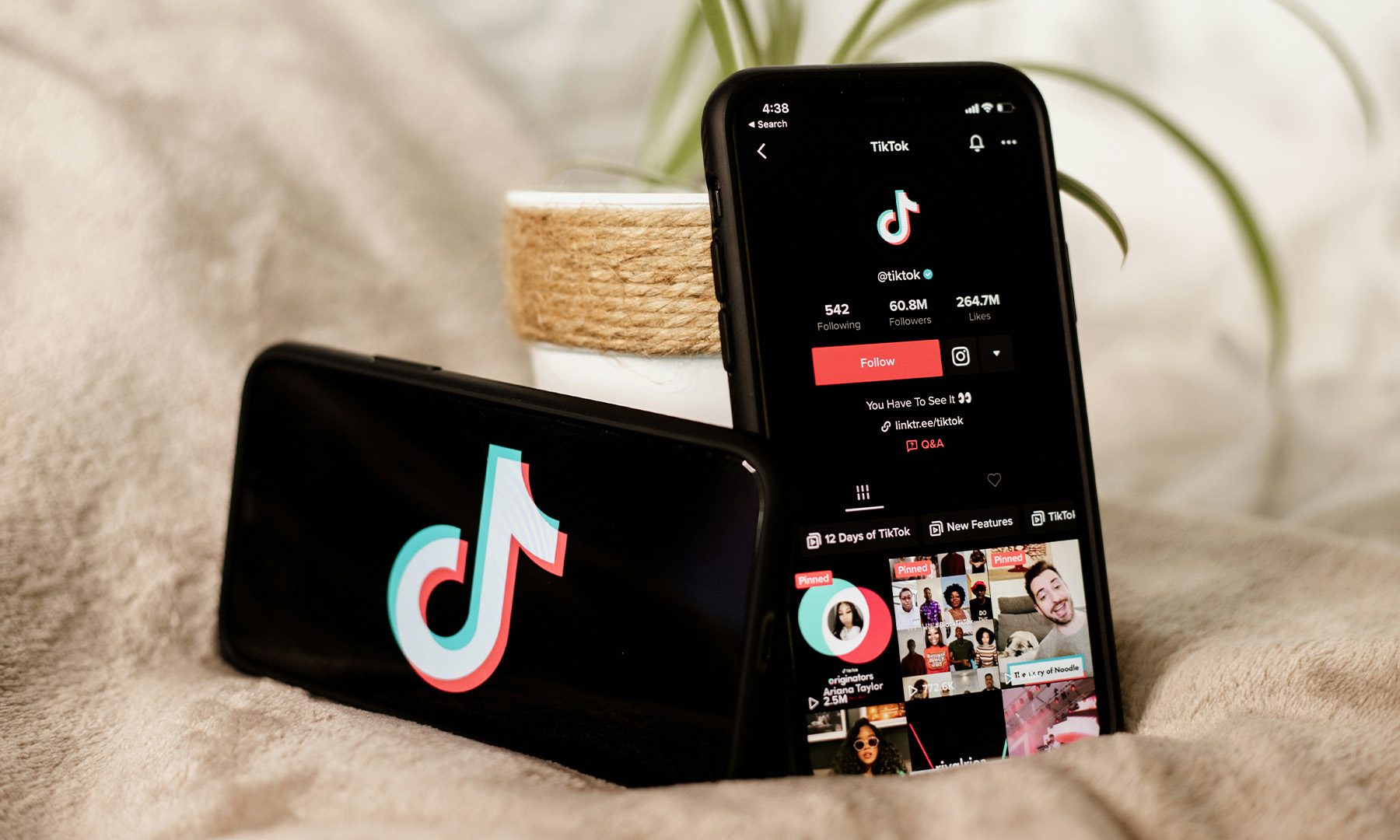
TikTok Creative Featured

The European Commission has accused TikTok of falling short on protecting minors, saying the platform's current account settings don't meet the child safety standards required under the Digital Services Act (DSA). The findings are preliminary, but if upheld, TikTok could face a fine of up to 6% of its global annual revenue.

Why the EU thinks TikTok isn't doing enough

Read more
Qualcomm is set to ratchet up chip prices in September, and your next gadget upgrade could bear the brunt
The price hike could touch every Snapdragon-powered device category.
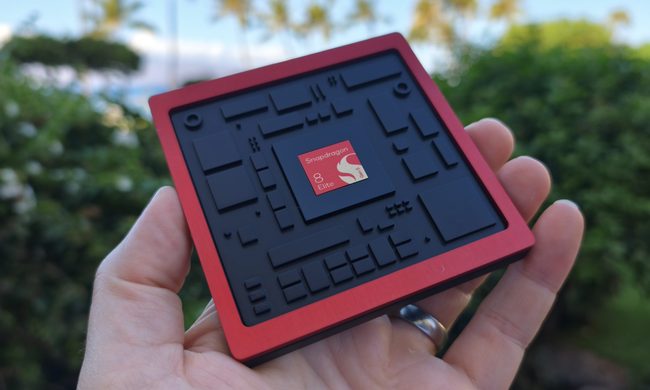
The new Qualcomm Snadragon 8 Elite Gen 5

I want you to sit with this for a second. Qualcomm, the company whose Snapdragon chips sit inside your Android phone and tablet, your Windows laptop, your Meta smart glasses, your Galaxy Watch, and your wireless earbuds, reportedly sent a letter to every major customer telling them prices are going up by double digits. 

The price hike will be in effect from September 1, 2026, a recent Bloomberg report claims. Essentially, all the companies placing their chip orders after that will pay a higher price. 

Read more
Enter the wrong PIN 13 times and your Galaxy phone is locked for good
New Galaxy phones will require a factory reset after 13 failed unlock attempts
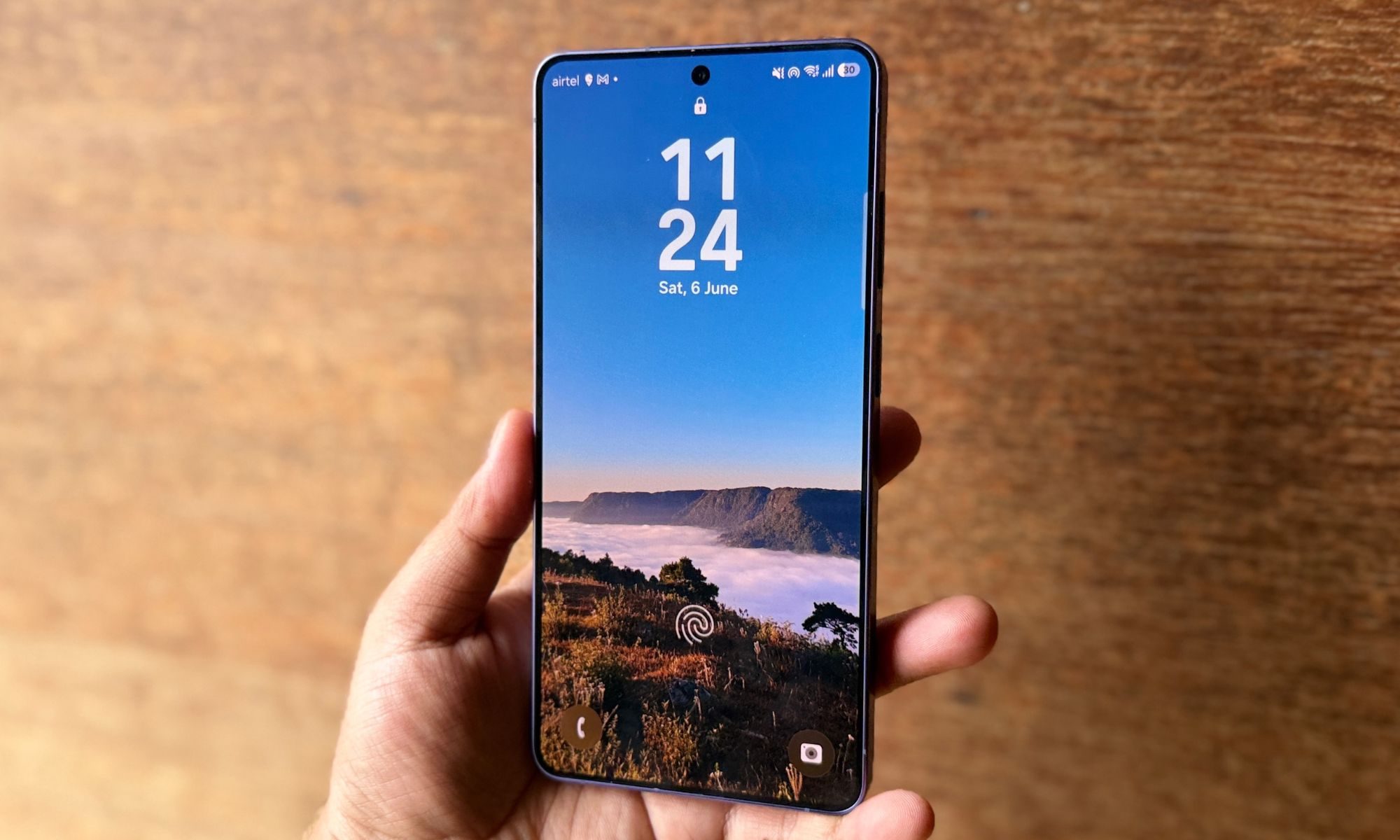
Samsung Galaxy S26 Ultra smartphone in blue color.

Samsung is making the lock screen much harder to break on Galaxy devices launching with Android 17-based One UI 9. Enter the wrong PIN, pattern, or password 13 times, and the phone will stop accepting attempts. A full factory reset will then be the only way to use it again.

The change is designed to stop brute-force attacks, where someone repeatedly guesses different passwords until one works. It is a major shift from older One UI versions, which mainly relied on temporary waiting periods rather than a mandatory final lockout.

Read more