1. Home
  2. Phones
  3. Android
  4. Apple
  5. Mobile
  6. News

Report says messaging apps were regularly blocked by governments in 2016

Add as a preferred source on Google

It looks like our governments have been a little more involved in messaging services we use than previously thought. According to a report from Freedom House, governments from a number of different countries routinely restricted the messaging apps their citizens were using.

The internet freedom report for 2016 highlights that governments restricted messaging app access for a number of different reasons — including to silence protestors. Certain apps are being targeted for their heightened encryption, which makes messages difficult to intercept, and for their newly added calling features, which are eating into telecommunications companies’ profits.

Recommended Videos

According to the report, WhatsApp was the most targeted app, and was either fully blocked or partially blocked in a hefty 12 out of the 65 countries that Freedom House researched. So what does it mean to partially block an app? Well, Brazil, for example, blocked WhatsApp a few times after WhatsApp refused to hand over keys to encrypted data that was related to a drug investigation.

On top of particular apps, Freedom House also looked at people themselves. For example, it found that two-thirds of all internet users live in countries where criticism of the government or military is subject to censorship. Not only that, but social media is increasingly being used by law enforcement to make arrests — people are being arrested more than ever for posting certain things like criticism of their government.

“Users in some countries were put behind bars for simply “liking” offending material on Facebook, or for not denouncing critical messages sent to them by others,” noted the report. “Offenses that led to arrests ranged from mocking the king’s pet dog in Thailand to “spreading atheism” in Saudi Arabia.”

The report found that the most free countries were Estonia and Iceland, followed closely by Canada, with the United States again right behind. The least free was China, which edged Syria. Of course, that doesn’t even take into account the countries, like North Korea, that were not a part of the study.

Christian de Looper
Christian de Looper is a long-time freelance writer who has covered every facet of the consumer tech and electric vehicle…
The Minimal Phone 2 looks dramatically better than the original, and I’m genuinely here for it
Plastic is out, metal is in, and Minimal Phone 2's renders suggest the digital detox phone concept finally has the hardware to match its ambition.
Electronics, Mobile Phone, Phone

I've been following the Minimal Phone since its initial crowdfunding days. The first iteration had the right idea trapped inside the wrong body, I’d say. Plastic build, no 5G, an underwhelming camera, and e-paper ghosting that frustrated early adopters; all these issues kept the phone from reaching a wider audience. 

Now, founder Armen Youssefian has posted what appears to be a 360-degree render of the Minimal Phone 2 on X, and from what I can see, the team has done its homework.

Read more
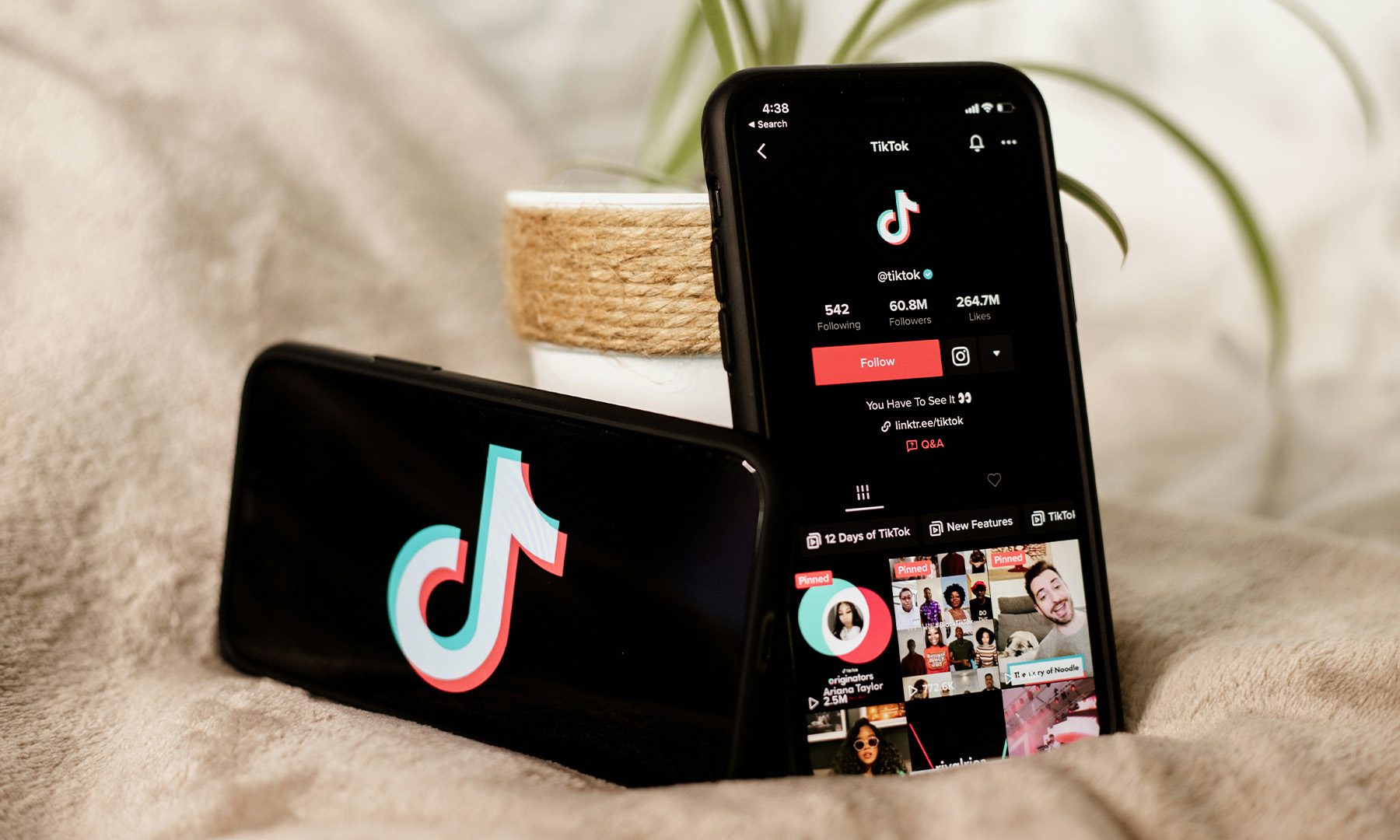
The EU says TikTok still isn’t doing enough to protect kids
Regulators say the platform's privacy settings don't go far enough under the Digital Services Act.
TikTok Creative Featured

The European Commission has accused TikTok of falling short on protecting minors, saying the platform's current account settings don't meet the child safety standards required under the Digital Services Act (DSA). The findings are preliminary, but if upheld, TikTok could face a fine of up to 6% of its global annual revenue.

Why the EU thinks TikTok isn't doing enough

Read more
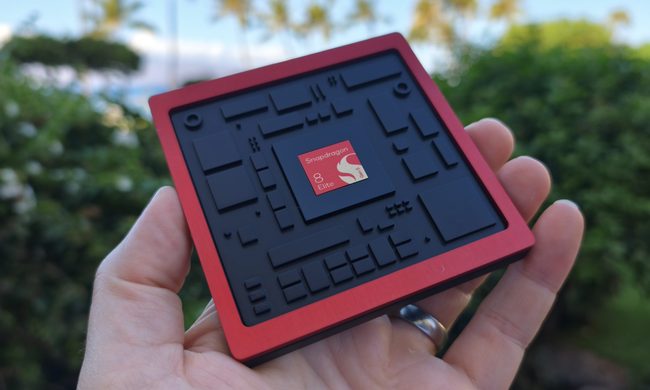
Qualcomm is set to ratchet up chip prices in September, and your next gadget upgrade could bear the brunt
The price hike could touch every Snapdragon-powered device category.
The new Qualcomm Snadragon 8 Elite Gen 5

I want you to sit with this for a second. Qualcomm, the company whose Snapdragon chips sit inside your Android phone and tablet, your Windows laptop, your Meta smart glasses, your Galaxy Watch, and your wireless earbuds, reportedly sent a letter to every major customer telling them prices are going up by double digits. 

The price hike will be in effect from September 1, 2026, a recent Bloomberg report claims. Essentially, all the companies placing their chip orders after that will pay a higher price. 

Read more