  1. Home
  2. Phones
  3. Apple
  4. Mobile
  5. News

Report: Apple stores iPhone call logs on servers, even when iCloud backup is off

Add as a preferred source on Google

The iPhone is known around the world for its security, and Apple has become somewhat of a champion of user privacy. Turns out, however, the device may not be as privacy aware as previously thought.

According to Russian digital forensics firm Elcomsoft, the iPhone is sending near real-time call logs to Apple’s servers whether iCloud backup is switched on or off. Not only that, but those call logs are stored for up to four months. It’s not just traditional call logs either — Elcomsoft CEO Vladimir Katalov says that logs from FaceTime are also being stored.

Recommended Videos

“Syncing call logs happens almost in real time, though sometimes only in a few hours,” said Katalov in an interview with Forbes. “But all you need to have is just iCloud Drive enabled, and there is no way to turn that syncing off, apart from just disabling iCloud Drive completely. In that case, many applications will stop working or lose iCloud-related features completely.”

While it would be easy to start pointing fingers, there’s a chance that it was simply an oversight by Apple. That’s what iOS forensics expert Jonathan Zdziarski told Forbes, saying it was more likely than not due to an engineering issue that had something to do with how Apple handles handoffs of calls between the iPhone and a desktop computer.

Apple has indicated in the past that it plans on implementing full end-to-end encryption for iCloud backups. Currently, backups are encrypted, but Apple is able to access them — with end-to-end encryption, not even Apple would have access to personal data. That would also prevent law enforcement from being able to order Apple to hand over data. Apple is very open about the fact that it currently allows law enforcement to access iCloud backups if they have a court order.

Christian de Looper
Christian de Looper is a long-time freelance writer who has covered every facet of the consumer tech and electric vehicle…
OnePlus is building another flagship monster for a shrinking audience, and its expected to launch in October
OnePlus 16 could launch in October, but it may not leave China
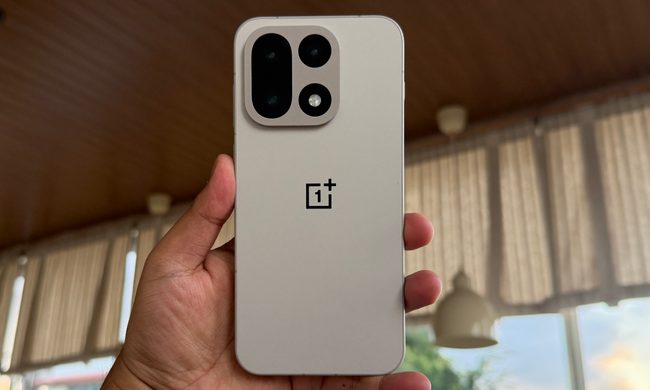
Rear shell of OnePlus 15.

While OnePlus may have exited the US and Europe, the brand is still alive in its home market and is already working on its next flagship smartphone. A fresh leak from Chinese tipster Digital Chat Station has now revealed more details about the OnePlus 16, including its design and a revised launch timeline.

The tipster previously claimed that the phone would arrive in September 2026, but the latest information points to an October launch in China (via Gizmochina). The global picture is far less clear, and there is now even some doubt over whether the OnePlus 16 will make it to India, which remains the company’s biggest market.

Read more
Samsung has another wild foldable phone lined up for 2027 and it will excite screen connoisseurs
Samsung wants another giant OLED folding inside your pocket
Samsung Galaxy TriFold unfolded

Samsung just gave foldable fans a wider 4:3 canvas with the Galaxy Z Fold 8. But that still isn't enough screen for the company. Samsung has reportedly begun early development of a successor to the Galaxy Z TriFold, its dual-hinged phone that unfolds into something much closer to a proper tablet.

According to Korean publication ETNews, Samsung has already shared information about the next-generation project with suppliers, but its final specifications have yet to be decided. One detail should immediately grab the attention of anyone who buys a foldable primarily for its display. A source familiar with the project told ETNews that Samsung is currently targeting a screen size similar to the original TriFold.

Read more
Android’s most powerful app permission could soon come with a much scarier warning
New Android 17 language spells out how trusted apps may interact with your screen while your device remains locked
Electronics, Mobile Phone, Phone

Android 17 could make one of its most powerful app permissions harder to approve without a second thought. New warning text explains that trusted apps may view and interact with screen content, even while the phone is locked.

Nerd’s Chalk uncovered the language in an APK teardown of Android 17 QPR2 Beta 1. The feature isn’t active, but Google’s description now leaves considerably less to the imagination.

Read more