1. Home
  2. Phones
  3. News

Android’s most powerful app permission could soon come with a much scarier warning

New Android 17 language spells out how trusted apps may interact with your screen while your device remains locked

Add as a preferred source on Google
Electronics, Mobile Phone, Phone
Shikhar Mehrotra / Digital Trends

Android 17 could make one of its most powerful app permissions harder to approve without a second thought. New warning text explains that trusted apps may view and interact with screen content, even while the phone is locked.

Nerd’s Chalk uncovered the language in an APK teardown of Android 17 QPR2 Beta 1. The feature isn’t active, but Google’s description now leaves considerably less to the imagination.

What the warning now reveals

The earlier summary referred broadly to screen automation based on the user’s activity. That phrasing didn’t convey how much control an approved app could receive.

Recommended Videos

The replacement is more direct. An authorized app could see and interact with content from selected apps while the screen is locked. A separate permission would let it use onscreen information to offer proactive suggestions.

These Android app permissions suggest Google is preparing assistants that can continue handling tasks after you put down your phone. That convenience would require trusting an app with whatever appears inside the services you’ve authorized.

How Google may control the risk

Google is also preparing another approval step. The trusted pairing flow could require users to confirm their identity with a PIN before connecting an app.

Individual capabilities may remain adjustable afterward. You could allow proactive suggestions while withdrawing locked-screen control, rather than ending the entire pairing.

The unfinished code can’t tell us exactly what users will receive. Google could revise the setup or narrow the permissions before anything reaches a public version of Android.

Why the warning matters now

A PIN may prevent someone from casually approving the permission, but it can’t judge whether an app deserves that degree of control. Users will still have to make that call themselves, potentially before they’ve seen what an assistant does with the information.

The safest test is straightforward. If you wouldn’t trust an app with the authorized content visible on your unlocked screen, don’t let it keep looking after you’ve locked the phone.

Paulo Vargas
Paulo Vargas is an English major turned reporter turned technical writer, with a career that has always circled back to…
The best note-taking apps for iOS and Android
I tested these apps for months so your notes never have to switch homes again.
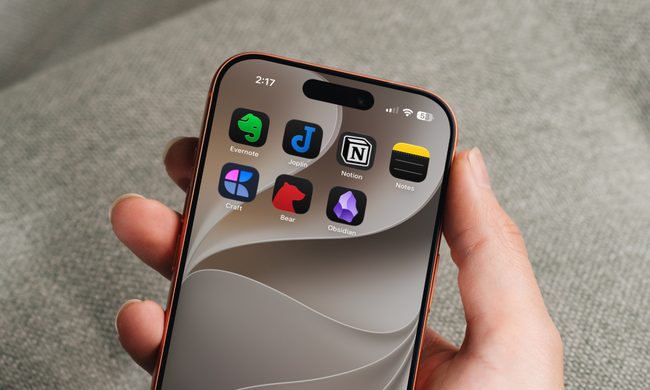
iPhone showing note-taking apps

Choosing a note-taking app is not easy. What note-taking app you choose depends on your needs, the platform you use, and of course, the cost. The process becomes even more complicated as it seems that there’s a new shiny app released every other week. 

That’s why I always suggest choosing a note-taking app that has all the features you need and can last you for a long time. Also, don’t chase new apps. The real power of a note-taking app comes when all your notes live in one place, making it easy to spot connections between them.

Read more
Apple’s best device protection deal is finally leaving the US
AppleCare One is going global, starting with four lucky countries
Hero image for AppleCare One service package.

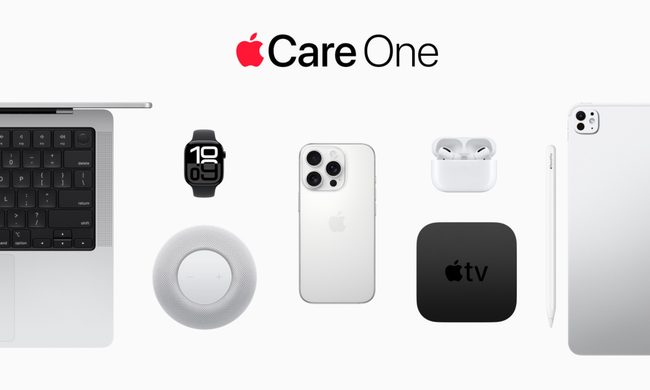
AppleCare One has spent its first year locked to the United States. Now, Apple is finally letting a few more countries into the club. AppleCare One will expand to the UK, France, Germany, and Australia beginning August 4, marking the first international rollout of the bundled protection service since its US debut in July 2025.

The plan allows customers to cover up to three eligible Apple products under a single monthly subscription, with additional devices available for an extra fee. This makes it particularly appealing if your collection already includes an iPhone, Apple Watch, iPad, or Mac.

Read more
The dream of uber cheap phones for kids and grandparents is effectively dead, thanks to AI
AI's demand for memory chips has made budget smartphones unprofitable to build.
Electronics, Mobile Phone, Phone

That $100 phone you were going to grab for your kid's first device, or hand down to grandma, could become a dream in a while. AI's hunger for memory chips just made the entire budget phone category borderline impossible to build.

So how bad are we actually talking?

Read more