1. Home
  2. Emerging Tech
  3. News

John Glenn, first U.S. astronaut to orbit the Earth, longtime senator, dies at 95

Add as a preferred source on Google

John Glenn, the first American astronaut to orbit the Earth, has passed away at the age of 95.

An American hero, Glenn was the last survivor of the original Mercury 7 astronauts, the group chosen by NASA in 1959 as its first crew to travel into space. He completed his iconic orbit of Earth a few years later on February 20, 1962. During the historic flight, he uttered the words, “Oh, that view is tremendous” in reference to seeing our planet from 100 miles up.

Recommended Videos

In addition to being the third U.S. astronaut in space, Glenn was also a World War II combat pilot, a former Marine, and a politician. He spent 24 years as a Democratic senator from Ohio, and was considered as a possible vice presidential running mate on three occasions in the 1980s and early 1990s.

In 1998, he became the oldest person to travel to space when he flew aboard the space shuttle Discovery. At the time, he was 77 years old. With 36 years since his last space flight, the mission represented the longest interval between space flights by the same person.

In 2012, he was awarded the Presidential Medal of Freedom.

News of Glenn’s death was confirmed by Ohio governor John Kasich, who wrote: “Though he soared deep into space and to the heights of Capitol Hill, his heart never strayed from his steadfast Ohio roots. Godspeed, John Glenn!”

Others paying tribute to Glenn on Twitter included the official U.S. Marines account, which praised him as a “legend,” and astrophysicist Neil deGrasse Tyson, who called him a “hero.”

In a separate statement, the Space Foundation said that, “U.S. success in space was built on the courage and determination of men like John Glenn, who dedicated his life to serving his country and proving what humans could accomplish in space.”

John Glenn had been hospitalized for more than a week in Columbus, Ohio prior to his death. It is expected that he will be buried in Arlington National Cemetery, Virginia. He is survived by his children and his wife of 73 years.

Luke Dormehl
I'm a UK-based tech writer covering Cool Tech at Digital Trends. I've also written for Fast Company, Wired, the Guardian…
Yet another study says AI is bad for elections, and the rabbit hole gets worse
AI may be an election bomb waiting for someone to light the fuse
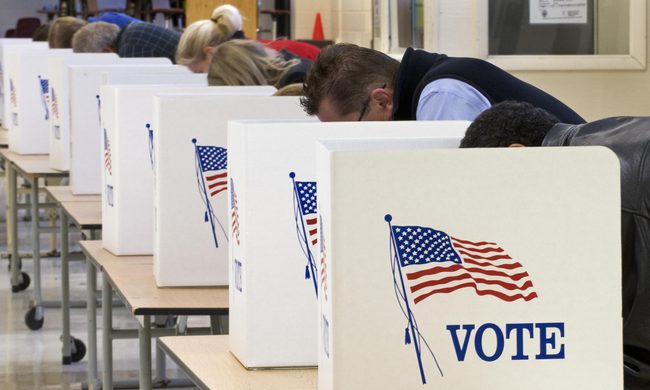
Voters cast their ballots on Election Day

Another election, another study has concluded that asking an AI chatbot for political guidance is a spectacularly bad idea. Research conducted during Hungary’s 2026 parliamentary election found that ChatGPT and Google Gemini offered not just inaccurate but also inconsistent and unreliable voting advice. The chatbots misclassified voter profiles, overlooked relevant parties, recommended parties absent from the ballot, and sometimes produced materially different answers when given the same information repeatedly.

AI keeps failing the voter test

Read more
Samsung’s humanoid robot ambitions are real, but factories come first
Samsung’s new robotics division has humanoids in its sights, although its immediate business is far more practical factory automation
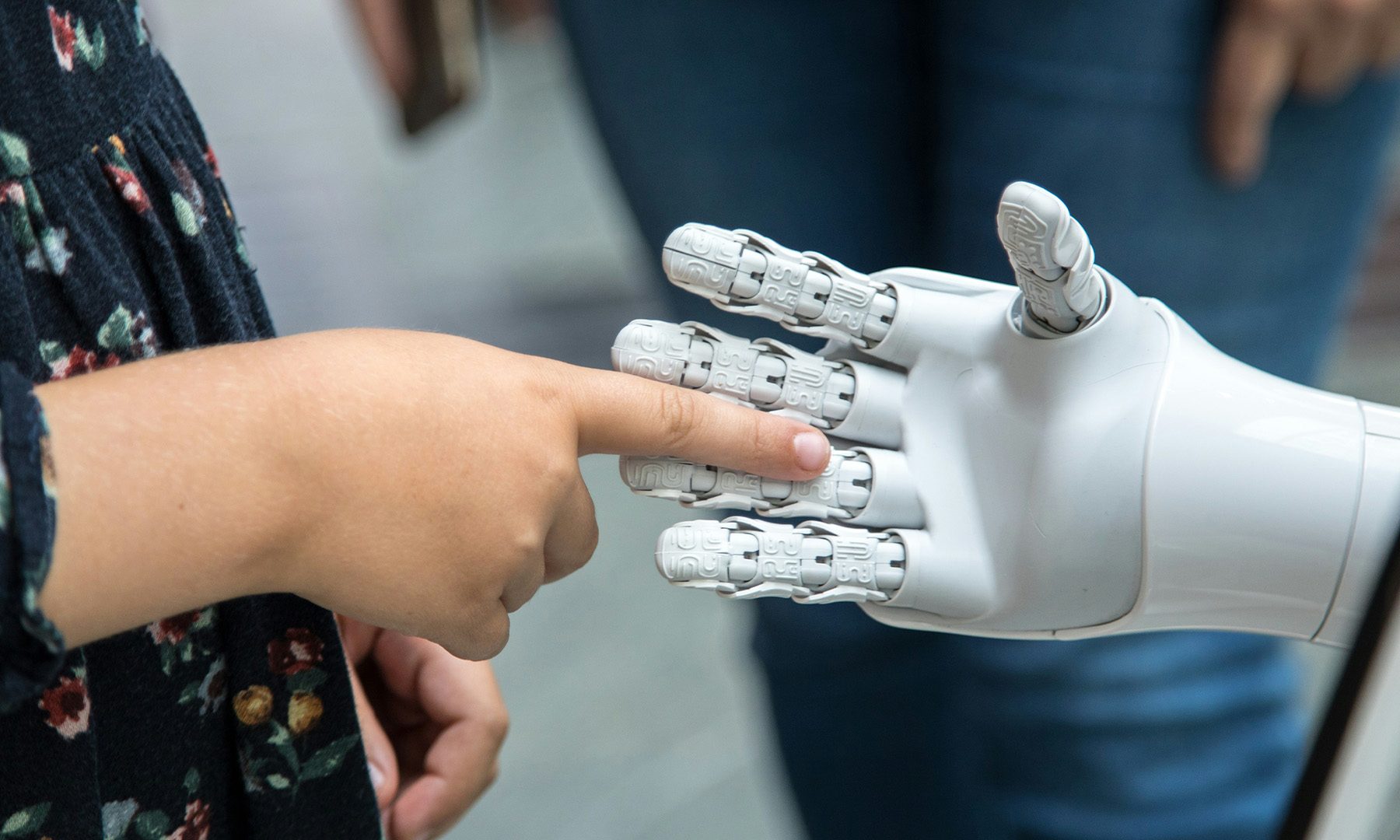
Robot Touch Human Finger

Samsung wants a place in the humanoid race, but its new robotics push begins with machines built for factories rather than homes.

The CEO-led RX robotics division will initially focus on manufacturing robots. Samsung has separately identified humanoids as a priority, although it hasn’t announced a commercial model or explained where one fits into the division’s immediate plans.

Read more
The future of AI may depend on this one behind-the-scenes change
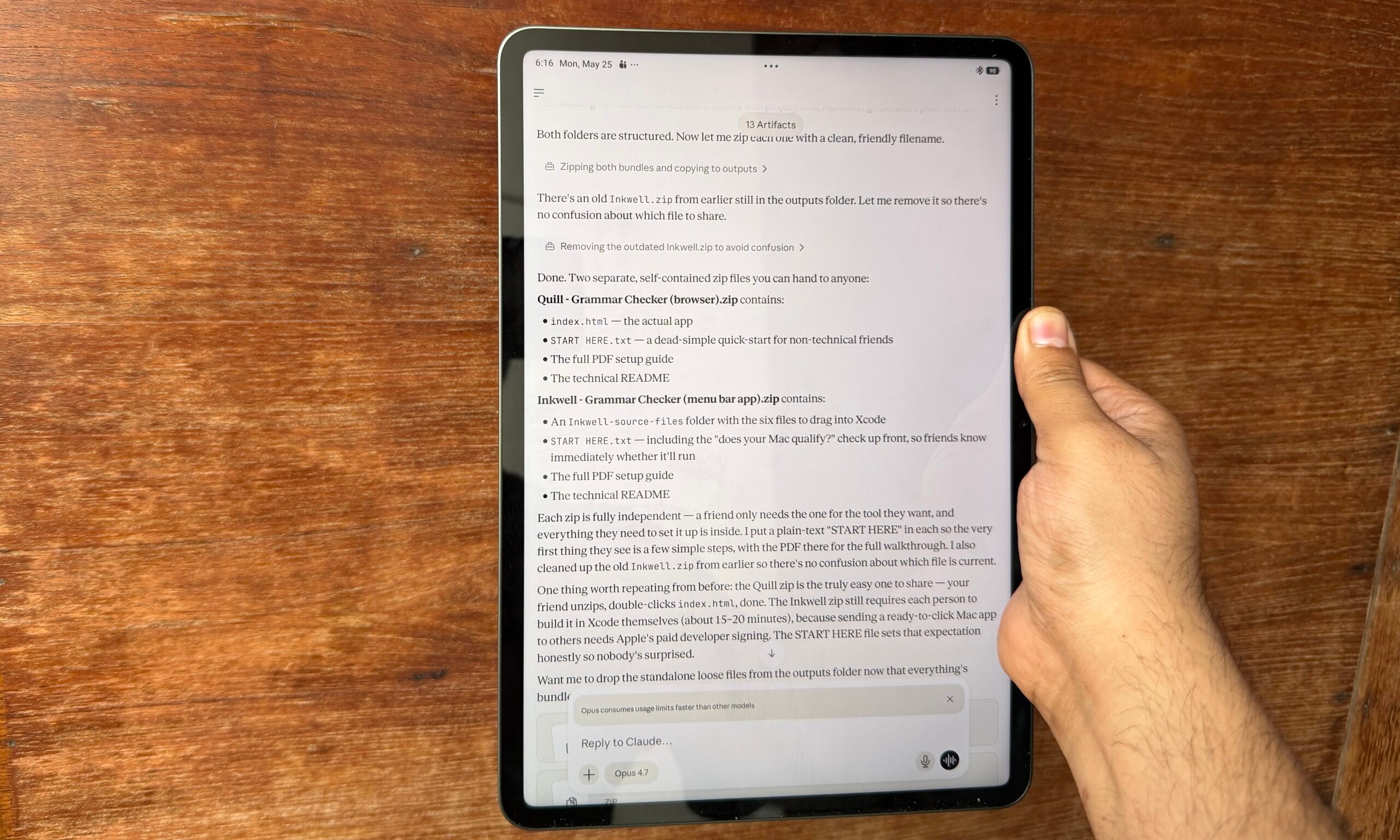
Running Claude on Android.

Whenever a new AI model arrives, it's easy to get caught up in the bells and whistles. We talk about how much smarter it is, how quickly it answers questions, or how realistic its images have become. But here's the thing: none of that matters much if the AI can't reliably work with the apps and services people use every day.

That's why an upcoming update to the Model Context Protocol (MCP) caught my attention. It isn't a new chatbot or a fancy AI model. In fact, most people will never even know it's happening. But it could quietly make the AI ecosystem a lot healthier. If you've never heard of MCP before, don't worry. Think of it as a shared language that lets AI assistants safely talk to apps like Gmail, Slack, calendars, databases, and countless other services. Instead of every company inventing its own way to make those connections, MCP gives everyone a common rulebook.

Read more