1. Home
  2. Phones
  3. Emerging Tech
  4. Mobile
  5. News

‘Liquid glass’ promises to protect your phone from bumps and scratches

Add as a preferred source on Google

Editor’s note: Since this article’s publication, IndieGoGo has flagged ProtectPax’s crowdfunding campaign for review. We suggest holding off on pre-ordering for the time being. 

If you’re the type that worries about wayward car keys or nail files scratching your pricey smartphone’s screen, fret no more. ProtectPax, a new project on IndieGoGo, is a self-described “liquid glass” protector that claims to strengthen any display.

Recommended Videos

It sounds almost too good to be true. ProtectPax’s crowdfunding page describes it as a “nano protector” pioneered by titans in the aviation and aerospace industries. Titanium dioxide nanoparticles in the gel fill microscopic valleys on your smartphone’s screen, effectively reinforcing it against bumps and bruises.

“It’s as hard as sapphire or ruby and acts like an optical filter,” the ProtectPax team says. “Your screen [will be] more uniform than when it left the factory.”

Applying it is relatively easy, apparently. All you need do is wipe your smartphone’s screen dry, rub ProtectPax across the surface with an included sealing cloth, and wait ten minutes until the gloss turns “shiny.” Once that’s done, the screen’s ostensibly protected from scratches, cracks, and even falls.

ProtectPax ranks 9H on Mohs Hardness Scale, which is higher than a knife blade and steel file. It lasts up to 365 days, and as an added bonus, it protects against electromagnetic radiation and improves touchscreen functionality.

ProtectPax claims it’s good for more than smartphones, too. The team’s tested it with all manner of devices, including smart watches, regular watches, eyeglasses, TV screens, GPS navigation systems, laptops, eBook readers, and digital cameras.

The idea of a liquid screen protector just as effective as tempered glass may be difficult to wrap your mind around, but ProtectPax isn’t the first. Kristall, a liquid protector from Malaysian company E-Mark Global trade, shields screens with a layer nano-particle coating that gives screens a gloss finish, makes them a great deal less prone to fingerprints, smudges, and greasy smears, and protects them against objects up to 9H.

In a demonstration at Mobile World Congress in Barcelona, an intrepid Digital Trends reporter saw a Kristall-smeared phone successfully deflect scratches from scissors and keys. Assuming ProtectPax measures up to the competition, it will provide a welcome alternative to the annoying glass and polymer shields that require you squeeze every last air bubble out from beneath the protectors’ surface.

Packs of ProtectPax start at $40.

Kyle Wiggers
Kyle Wiggers is a writer, Web designer, and podcaster with an acute interest in all things tech. When not reviewing gadgets…
Apple’s lease program is just a soft landing for you to spend on pricier iPhones this year
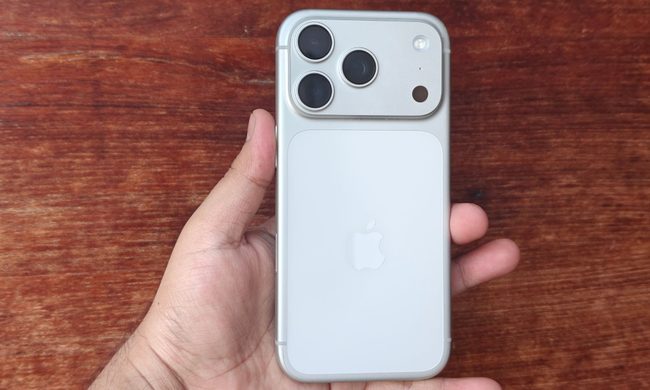
Hand holding iPhone 17 Pro.

A few days ago, Apple introduced a new "Upgrade" program that is essentially a lease program for buying Apple hardware. Instead of paying the full cost up front, you space the monthly installments (12, 24, and 36 month spells), and at the end of the lease period, you can choose to return the device, upgrade to a new one, or pay the remainder cost and keep it forever.

The broad idea is simple. Instead of taking a thousand-dollar hit on the wallet, you space the hit across small monthly payments. For a flagship iPhone, that broadly comes down to a dollar per day, and for budget phones such as the iPhone 17e, it's just half a dollar each day, if you do the breakdown. At least Apple is looking at it that way.

Read more
Pixel 11 leak predicts a weird mix of upgrades and downgrades for a higher price
The Pixel 11 may start at $899 with 256GB of storage, but its camera setup remains unclear.
Google Pixel 10a smartphone

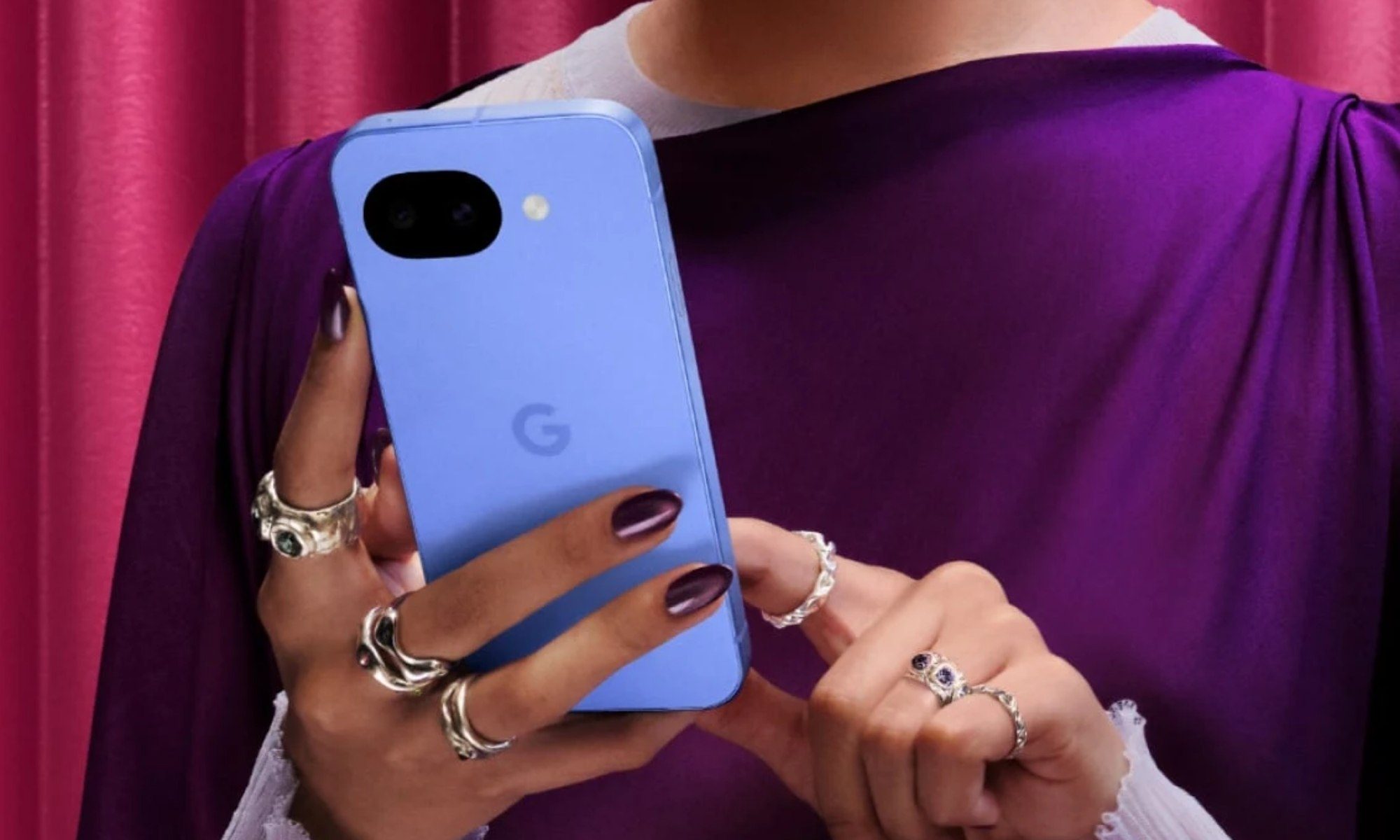
Google may ask Pixel 11 buyers to pay $100 more for a phone that improves the parts they can’t see while leaving a conspicuous camera question unresolved. A new leak from Android Headlines puts the base model at $899, up from the Pixel 10’s $799 starting price.

The extra money would at least buy more capacity. The Pixel 11 reportedly starts at 256GB rather than 128GB, while the leaked specifications list both 12GB and 16GB RAM options. Yet the same list mentions only a main camera and an ultrawide, even though other leaked renders still appear to show three rear camera openings.

Read more
Google’s Pixel 11 Pro Fold could offer Galaxy Z Fold8 Ultra specs for $200 less
Google’s leaked foldable could match the Fold8’s price with Ultra-sized screens and 5x zoom
Electronics, Mobile Phone, Phone

Google may be preparing to challenge Samsung’s most expensive foldable without charging Ultra money. According to Android Headlines, the Pixel 11 Pro Fold will start at $1,899, matching the Galaxy Z Fold8 and undercutting the $2,099 Fold8 Ultra by $200.

Its rumored hardware makes that pricing especially interesting. Google’s foldable appears much closer to Samsung’s Ultra model in display size, even though it would cost the same as the smaller Fold8.

Read more