1. Home
  2. Emerging Tech
  3. News

Virginia is for lovers — and now, legalized delivery robots, too

Add as a preferred source on Google

Four hundred years ago, it was home to the first permanently settled English colony in the New World and now, it is home to the first legal delivery robots. That’s right — Virginia has passed landmark legislation that will allow delivery robots like those from Starship Technologies make moves on sidewalks and crosswalks throughout the state. The law will go into effect on July 1 just in time for you to get your independence day festivity needs delivered by a rolling bot.

Virginia congressmen Ron Villanueva and Bill DeSteph worked with Starship Technologies to draft the bill, which will certainly benefit the Estonian robotics company as it pushes to bring its bots to the masses. Indeed, Starship has been trying to make moves in the U.S. for quite some time now, recently announcing a pilot program with Postmates and DoorDash that would employ their mechanical fleet to make deliveries. In this program, however, the robots wouldn’t be entirely autonomous, as a human operator would still oversee their general movements.

Recommended Videos

The Virginian law, however, allows robots to move completely on their own.

Of course, a number of limitations have been put in place to ensure that self-driving robots aren’t barreling over pedestrians in Virginia — for example, robots can only go up to 10 miles per hour and cannot weigh more than 50 pounds. And while a human does not have to keep a physical eye on the situation, he or she will need to be able to remotely monitor the bot and intervene should something go wrong.

And local governments within the state will be able to determine exactly how the robots can operate. If, for some reason, a municipality wants to keep the bots out altogether, that will be their decision to make. However, it doesn’t seem as though that will present a problem. “There wasn’t push back [from legislators],” Villanueva said in an interview with Recode. “It was more like intrigue and curiosity about the technology, what the application would be, how it would benefit the citizens.”

Idaho and Florida may soon pass similar laws to Virginia’s, so who knows? We could soon be sharing our sidewalks with Starship Technologies’ robots, and others too.
Lulu Chang
Fascinated by the effects of technology on human interaction, Lulu believes that if her parents can use your new app…
Yet another study says AI is bad for elections, and the rabbit hole gets worse
AI may be an election bomb waiting for someone to light the fuse
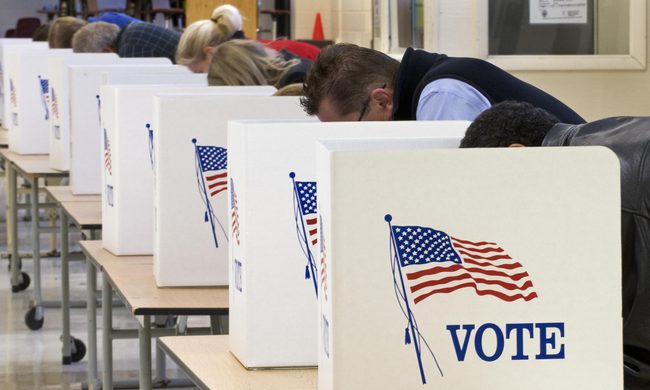
Voters cast their ballots on Election Day

Another election, another study has concluded that asking an AI chatbot for political guidance is a spectacularly bad idea. Research conducted during Hungary’s 2026 parliamentary election found that ChatGPT and Google Gemini offered not just inaccurate but also inconsistent and unreliable voting advice. The chatbots misclassified voter profiles, overlooked relevant parties, recommended parties absent from the ballot, and sometimes produced materially different answers when given the same information repeatedly.

AI keeps failing the voter test

Read more
Samsung’s humanoid robot ambitions are real, but factories come first
Samsung’s new robotics division has humanoids in its sights, although its immediate business is far more practical factory automation
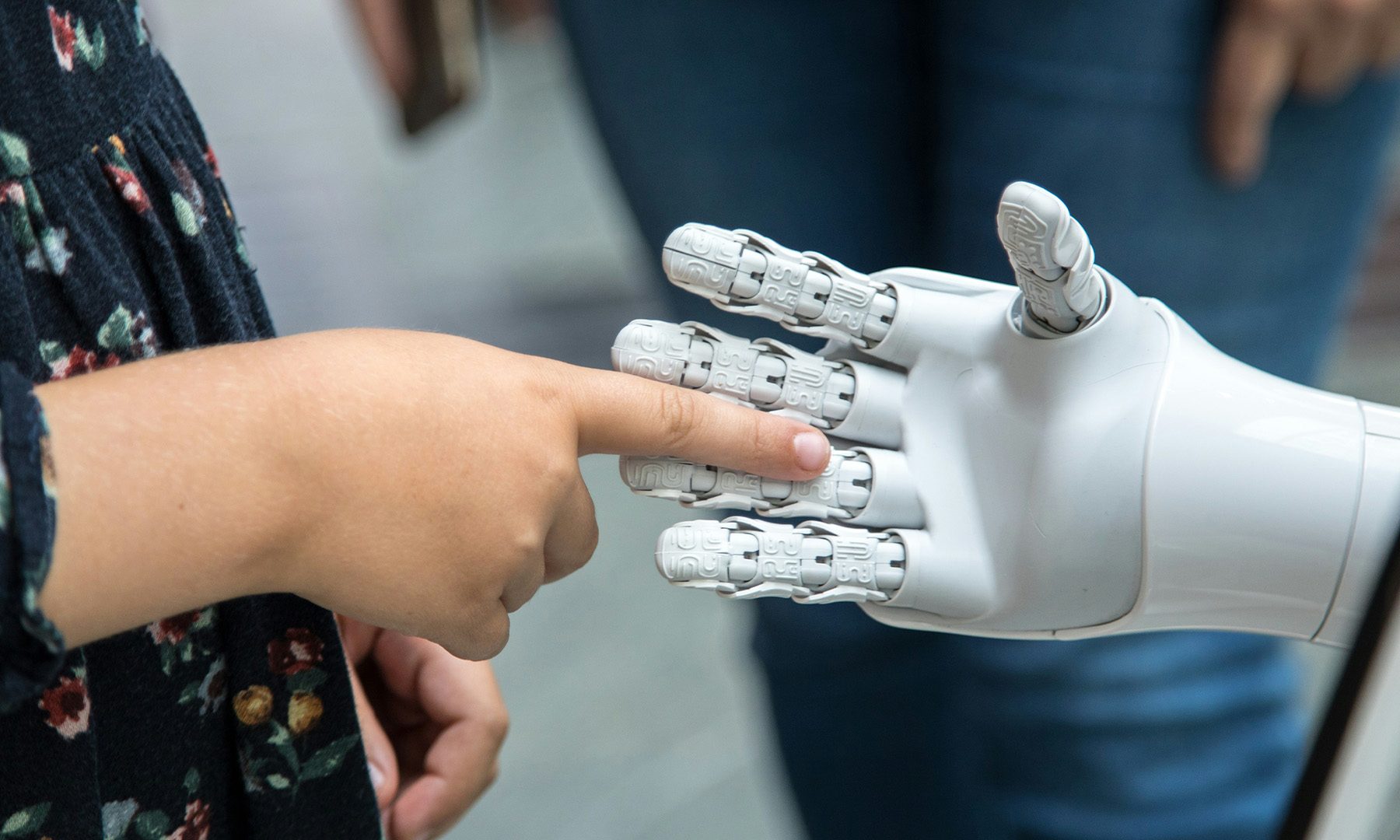
Robot Touch Human Finger

Samsung wants a place in the humanoid race, but its new robotics push begins with machines built for factories rather than homes.

The CEO-led RX robotics division will initially focus on manufacturing robots. Samsung has separately identified humanoids as a priority, although it hasn’t announced a commercial model or explained where one fits into the division’s immediate plans.

Read more
The future of AI may depend on this one behind-the-scenes change
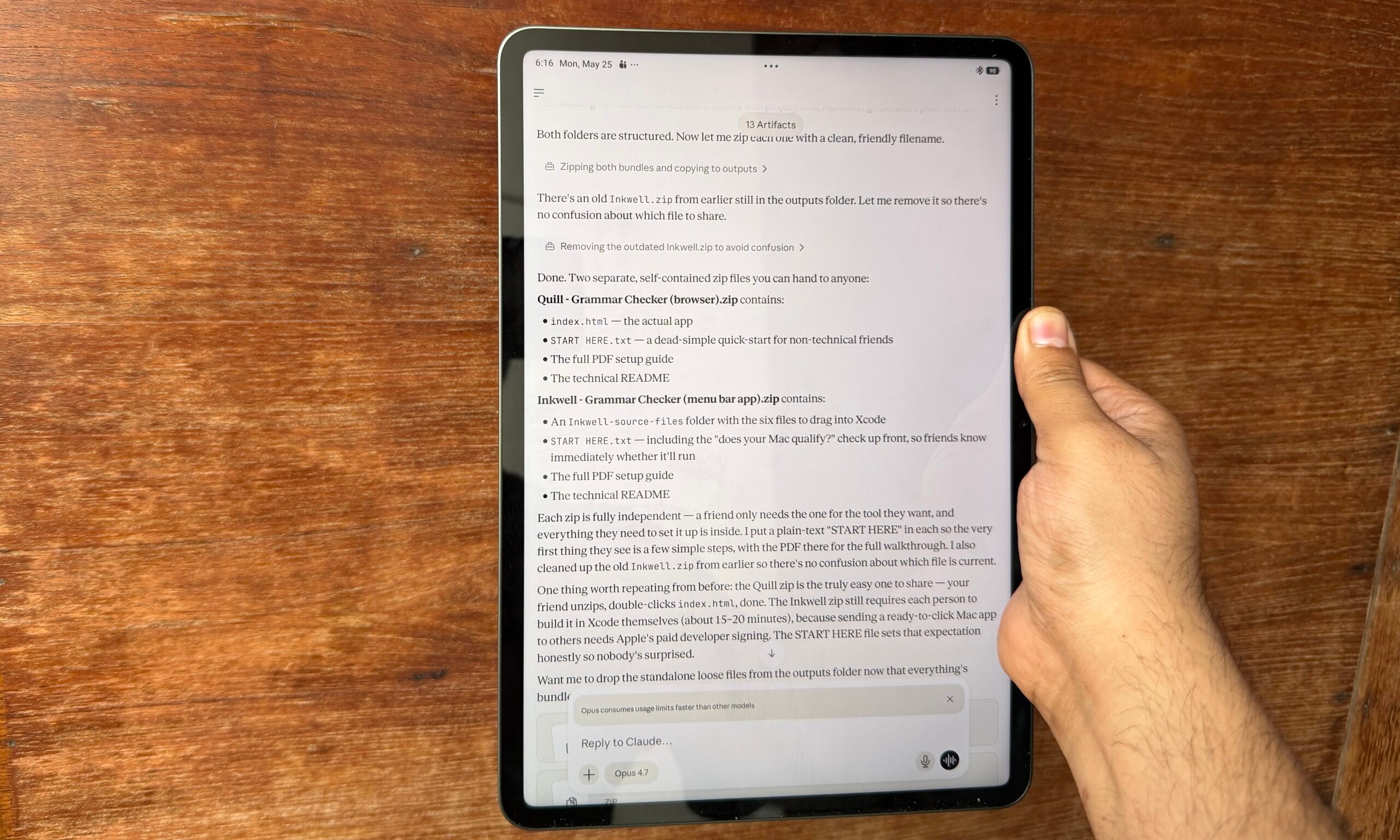
Running Claude on Android.

Whenever a new AI model arrives, it's easy to get caught up in the bells and whistles. We talk about how much smarter it is, how quickly it answers questions, or how realistic its images have become. But here's the thing: none of that matters much if the AI can't reliably work with the apps and services people use every day.

That's why an upcoming update to the Model Context Protocol (MCP) caught my attention. It isn't a new chatbot or a fancy AI model. In fact, most people will never even know it's happening. But it could quietly make the AI ecosystem a lot healthier. If you've never heard of MCP before, don't worry. Think of it as a shared language that lets AI assistants safely talk to apps like Gmail, Slack, calendars, databases, and countless other services. Instead of every company inventing its own way to make those connections, MCP gives everyone a common rulebook.

Read more