1. Home
  2. Phones
  3. Mobile
  4. News

Smartphone adoption will soon match total population in Brazil

Add as a preferred source on Google

While the world’s growing population continues to present a challenge with respect to food and energy production, the smartphone industry seems to be having no trouble keeping pace — at least in Brazil. In that country, it is estimated that this mobile device adoption will match the country’s population in the next two years.

As per new research from Brazilian think tank and university Fundacao Getulio Vargas (FGV), the total number of smartphones in the South American country will hit 236 million sometime between 2020 and 2022. Currently, Brazil’s population stands at just around 208 million people, and already, there are 198 million smartphones in the nation.

Recommended Videos

What’s the impetus behind this growth? As per FGV professor Fernando Meirelles, a shift in buying patterns is the chief contributor to the increase. At an event in Sao Paulo in which Meirelles presented the team’s research, he noted that younger Brazilians in particular are moving away from desktops and towards smartphones.

Brazil is quite smartphone savvy, and is now the world’s fourth largest mobile phone market. As per a related study, smartphones comprise the mobile phone market in Brazil.

Even though Brazil has actually recently experienced a decline in smartphone sales as a result of a 2016 economic crisis, that doesn’t seem like a trend that will last. Just last month, Counterpoint Research pointed out that the market was already on the rise. “Although the smartphone market declined 16 percent year-over-year in the fourth quarter of 2016, it grew 15 percent sequentially after shipments hit a trough in the third quarter of 2016,” Business Insider reported.

Indeed, smartphone adoption across the world is on the rise, with users across the world checking their devices a whopping one billion times a day more than they did a year ago.

So look out, friends. We may not be taken over by aliens or apes, but smartphones could be a cause for concern.

Lulu Chang
Fascinated by the effects of technology on human interaction, Lulu believes that if her parents can use your new app…
Geekbench now lets you check how a phone will actually handle your boring daily chores
New tests, smarter scores, and finally some love for NVIDIA GPUs.
Geekbench 7 open on iPhone

Geekbench, the popular cross-platform benchmark from Primate Labs, just got a major update. Geekbench 7 is out today, and you can download it on Android, iOS, Windows, macOS, and Linux. If you like to know exactly how your CPU and GPU stack up, this update brings a bunch of changes worth knowing about.

What's new in the CPU tests?

Read more
Latest Pixel 11 series leak offers the clearest look yet at Google’s next flagship
Google's next Pixel has leaked again, but this time almost nothing is left to imagine
Pixel 11

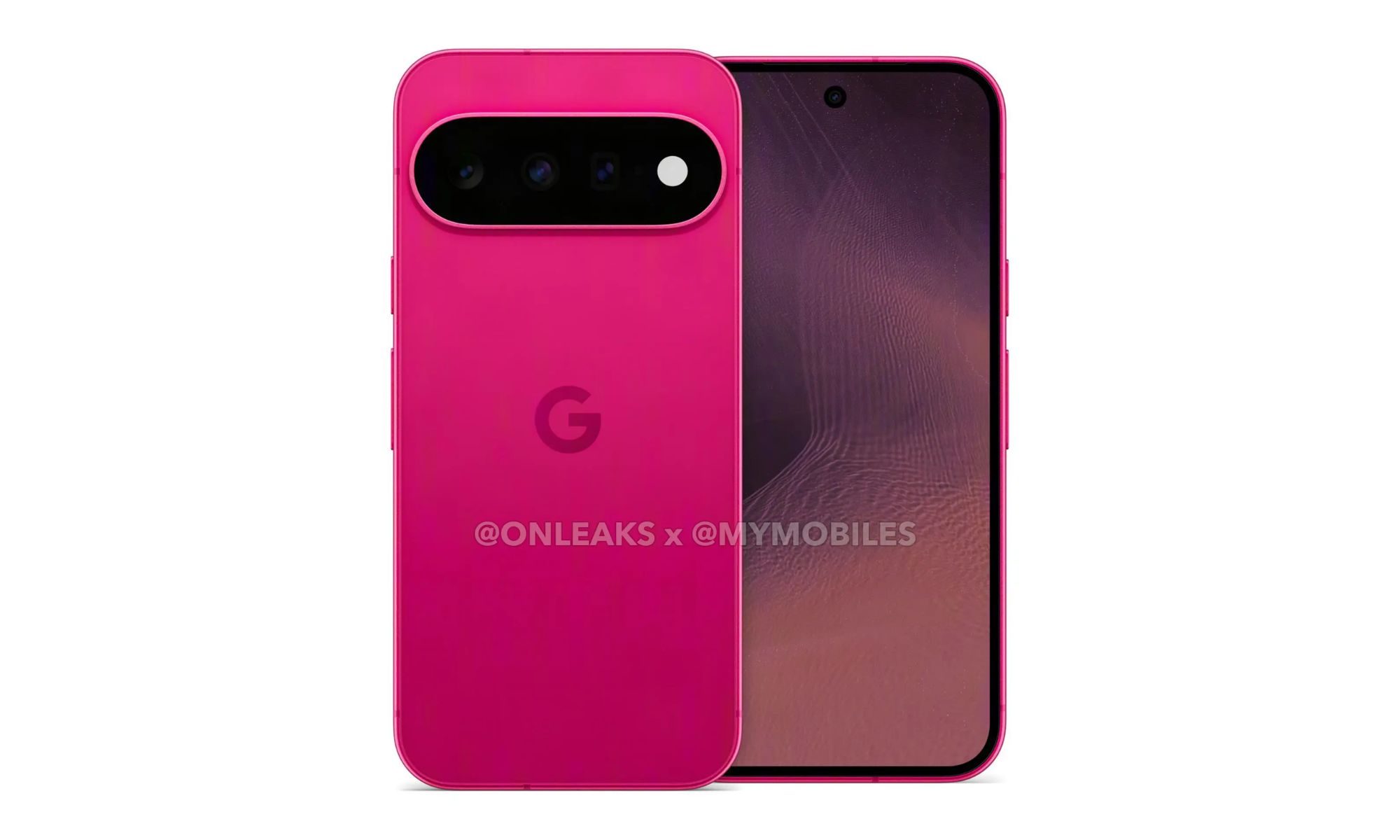
Google's Pixel launches have become increasingly difficult to keep under wraps, and the Pixel 11 series appears to be no exception. Weeks before Google's scheduled August 12 launch event, a fresh leak has revealed what is claimed to be the complete set of official press renders for the Pixel 11, Pixel 11 Pro and Pixel 11 Pro XL, showcasing every colour option across the lineup.

The renders, published by MyMobiles in collaboration with tipster OnLeaks, offer what is arguably the most comprehensive look yet at Google's next flagship family. If authentic, they not only confirm earlier design leaks but also reveal Google's colour strategy for 2026, including a vibrant Fuchsia finish for the standard model and a new copper-inspired "Dune" variant for the Pro series.

Read more
Galaxy Z Flip 8 vs. Motorola Razr Ultra (2026): Samsung’s flip phone is cheaper, but is it better?
One flip phone wins on value. The other wins on hardware.
Electronics, Phone, Mobile Phone

Flip phones have quietly become one of the most competitive corners of the smartphone market. It provides buyers with a satisfying folding snap, reducing the footprint to half the original size, and that’s the entire point. Motorola never really left the format after reviving the Razr name, while Samsung has spent generations treating the Flip line as its scrappy, budget-friendlier sibling to the Fold. 

This year, though, the gap between the two camps has narrowed to the point where picking a winner requires genuinely reading the spec sheet and learning about the phones before putting your money into one. One phone leans hard into raw display firepower, while the other leans into a deeper software ecosystem and a friendlier price tag. 

Read more