1. Home
  2. Computing
  3. News

Microsoft files patent application for pen-based authentication technology

Add as a preferred source on Google

Windows 10 has a great new feature, Hello, that makes it easy to securely log in without entering a password or touching a keyboard. Two methods are available today — facial recognition via infrared camera and fingerprint scanner — and new methods are being dreamed up by Microsoft and other companies.

A new patent application, No. 2010/0155153, indicates Microsoft is looking into using the stylus as a new Windows Hello mechanism. Given that more and more Windows 10 machines are pen-enabled, that makes some good sense and could make for another very convenient way to log into a PC.

Recommended Videos

It’s important to note here that Windows 10 Hello does more than just log into a machine. It can also be used to authorize various application-specific tasks, like verifying purchases and entering passwords. And so the act of picking up the stylus to work in an application makes it a particularly efficient way to authenticate.

Image used with permission by copyright holder

Microsoft’s patent application hopes to leverage that convenience, with a combination of a unique marker embedded in a pen or stylus that provides a kind of two-factor authentication to go along with a gesture that is written on the screen. According to the documentation, Microsoft’s technology would use a combination pen proximity, gestures, and touch input, with a host of options in terms of mixing up hardware, software, and even application files in order to create a highly customized authentication method.

Image used with permission by copyright holder

In terms of the pen technology itself, the patent application specifically mentions Microsoft’s own N-Trig technology, which is used in the Surface Pen throughout the Surface line of Windows 10 machines. Presumably, then, this patent describes technology that could be implemented with the current Surface line of products or, at worst, with future Surface machines build with N-Trig pens and active digitizer screens.

In any event, it is clear that Microsoft continues to look for new and innovate ways to make it easier to log into and authenticate processes on our Windows 10 machines. While many more patents are filed than products actually make it to the market, it is nevertheless encouraging to see a company continuing to push the envelope in designing new and better ways for us to use technology.

Mark Coppock
Former Computing Writer
Mark Coppock is a Freelance Writer at Digital Trends covering primarily laptop and other computing technologies. He has…
You can now buy a computer mouse controlled entirely by your tongue
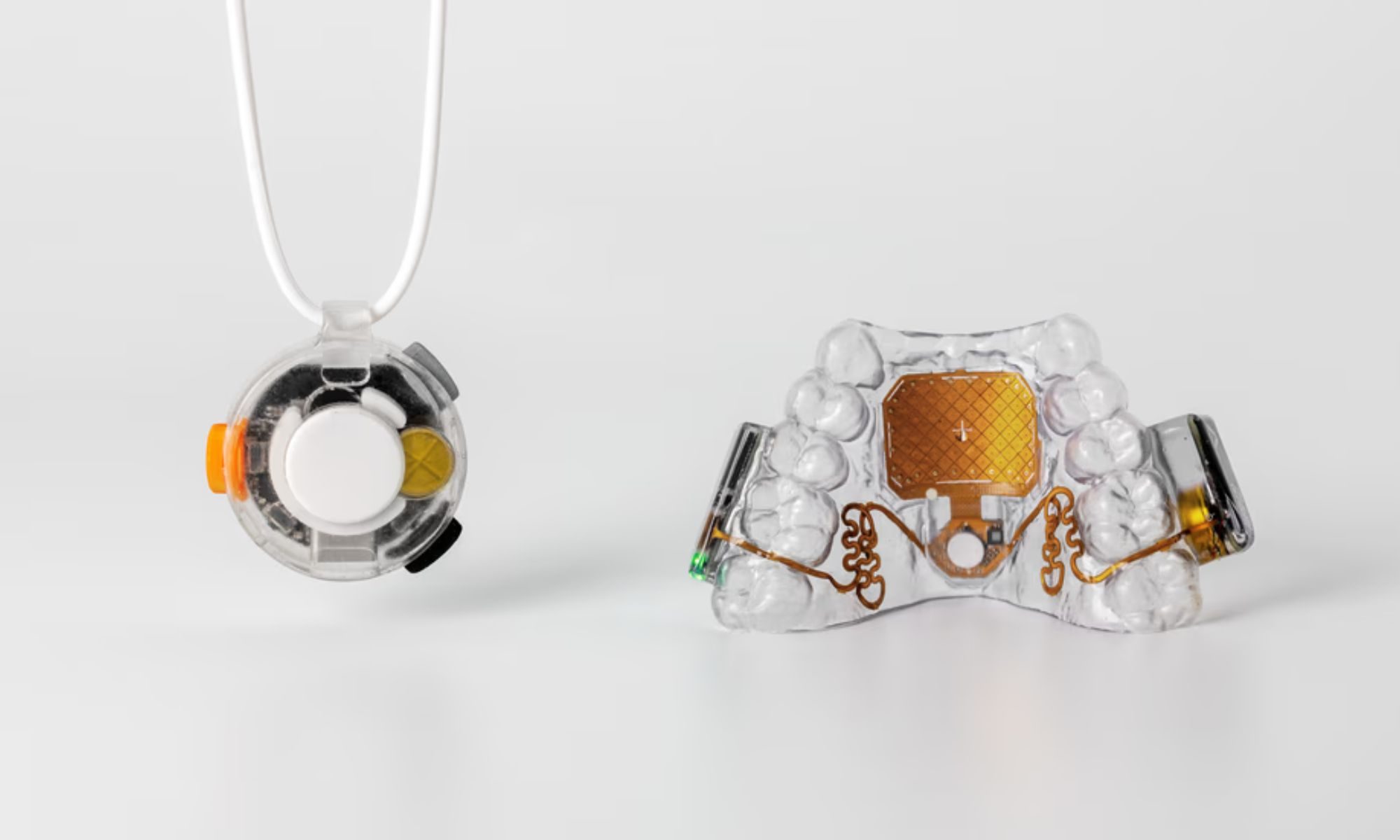
Augmental has opened public sales of the MouthPad, and introduced a new wearable that lets you type hands-free.
Augmental MouthPad and Vox featured

Augmental first showed off its tongue-controlled MouthPad as a CES curiosity in 2024. Today, the device is a real product you can buy, with the company opening public US sales alongside a beta release of Vox, a companion wearable built to handle the typing half of Augmental's hands-free computing promise.

A retainer that doubles as a mouse

Read more
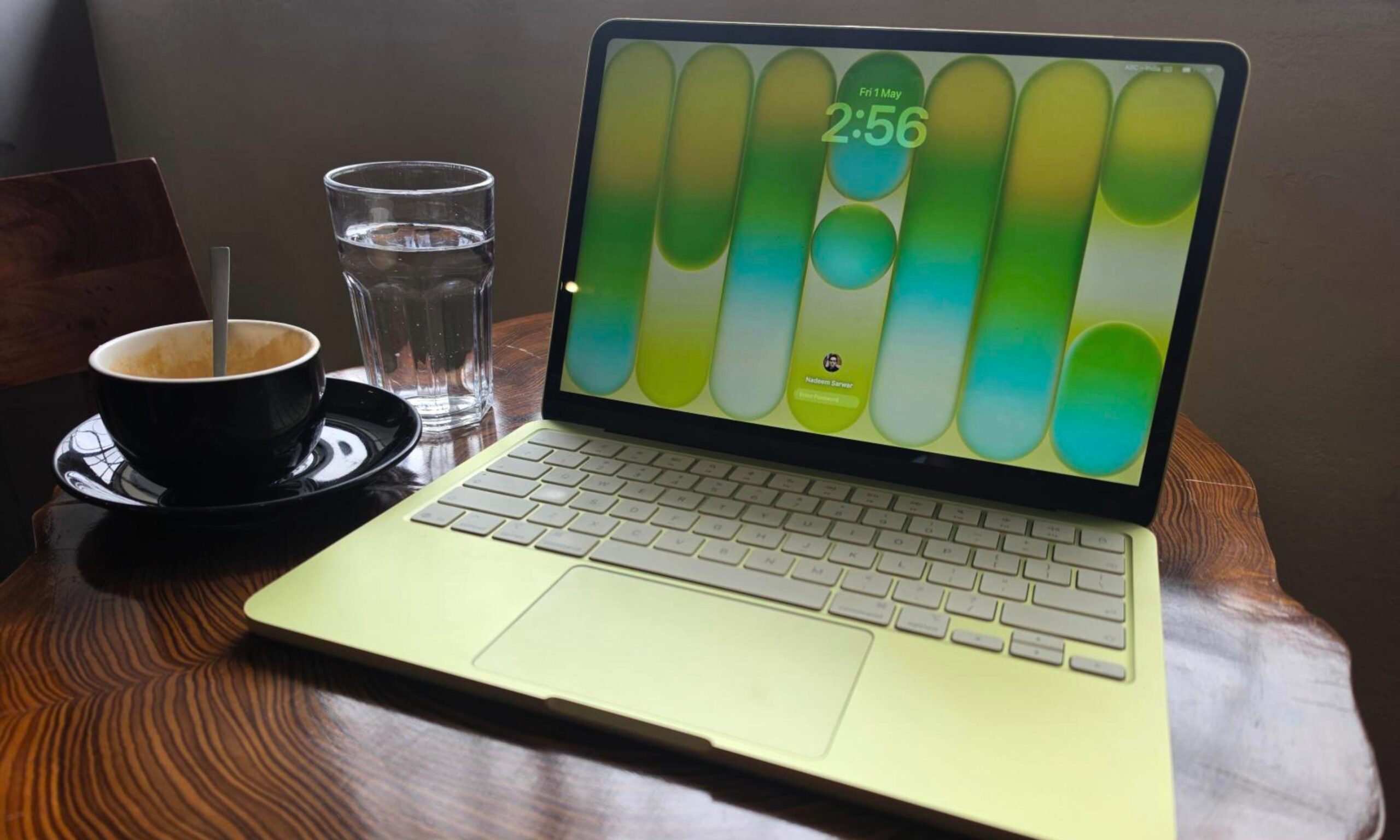
A MacBook Neo refresh may already be in testing and could address its biggest performance bottlenecks
The next MacBook Neo could arrive with an A19 Pro chip, more memory, and fresh new colors
Computer, Electronics, Laptop

Apple is already working on a refreshed version of the MacBook Neo, only a few months after launching its cheapest laptop.

According to Bloomberg’s Mark Gurman, Apple has been testing an updated MacBook Neo with an A19 Pro chip and more memory. The report backs earlier claims that a second-generation model could arrive in 2027, bringing better multitasking performance and improved long-term usability.

Read more
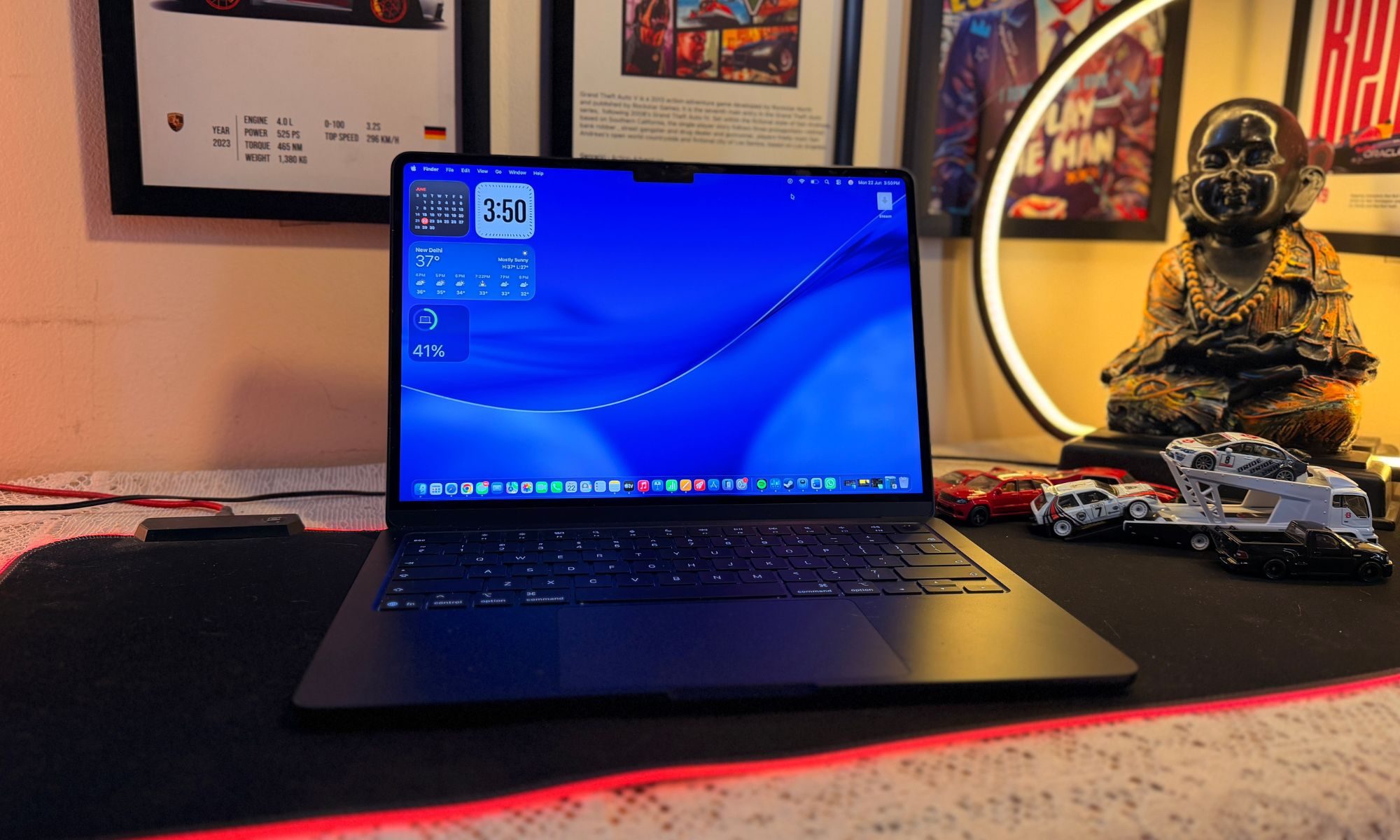
The MacBook Air and iMac are next in line for Apple’s OLED push
OLED MacBook Air could arrive in 2028, while the iMac remains further out
MacBook Air M5

Previous reports have indicated that Apple plans to launch redesigned MacBook Pros between the end of this year and early next year featuring touchscreen OLED displays, but the brand’s OLED ambitions for its Macs won’t end there.

Bloomberg’s Mark Gurman now reports that Apple is also working on OLED versions of the MacBook Air and iMac, corroborating earlier supply-chain reports about both devices. The information comes from people familiar with Apple’s plans, although neither product appears close to release.

Read more