  1. Home
  2. Phones
  3. Mobile
  4. News

Pair of Intel patents pitch new ways to find a lost phone, keep messages private

Add as a preferred source on Google

As far as mobile technology has come, it’s still fair to say the best way to find a phone you’ve misplaced in your home or somewhere else nearby is to simply call it. Even as our devices have gotten smarter, this hasn’t really changed. However, it’s never been a surefire solution.

For example, what if your phone’s battery has died, or you left it in silent mode before losing it? In such an instance, calling wouldn’t necessarily help track it down — which is why an Intel patent, published Thursday, could make all the difference.

Recommended Videos

Intel is calling it a “low-power voice trigger for finding mobile devices,” and the name is quite self-explanatory. An audio processor, which would act independently of the device’s main processor, would be capable of listening for a predetermined phrase even when the phone is powered off or in standby mode. Once it detects the phrase — the example used in the application is “Hello phone” — the device could play a tone to help the owner locate it.

That’s a basic overview of how the system would operate, but Intel goes into much greater detail in the application. The company lists some potential problems with its proposal, the first and foremost being how it would interact with wireless headsets. Theoretically, the phone would default to the onboard microphone and speaker even in situations when it is still connected to an external device, like Bluetooth headphones.

The low-power location pitch was just one of two Intel patents brought to light this week. On the same day, an application for a “face-based secure messaging” scheme broke cover. Put simply, the proposal would allow an individual to send a message to another that would only unlock and be visible if the second user was present. The device would determine that by recording video of the recipient’s face, and matching that against a provided screenshot.

Many new phones today, like Samsung’s Galaxy S8, are using face detection and iris scanning as a means for authentication — allowing you to unlock your handset simply by looking at it. Therefore, it’s not surprising that Intel would look to extend this technology to messaging as well. Mobile-based chat apps are perpetually under the scrutiny of privacy advocates for not doing enough to protect their users and the contents of the media they share, so Intel’s patent is especially relevant now.

Speaking of which, it’s important to remember that patents are exactly what these ideas are — not guarantees of features you can expect to see on your smartphone in the immediate future, or possibly ever. However, as far as patents are concerned, they’re not far-fetched. In fact, they’re technically possible now, so it’ll be interesting to see if and how they materialize.

Adam Ismail
Former Contributor
Adam’s obsession with tech began at a young age, with a Sega Dreamcast – and he’s been hooked ever since. Previously…
Google Photos adds a quick toggle between AI and classic search
Classic search is finally easier to reach for people who enabled Ask Photos
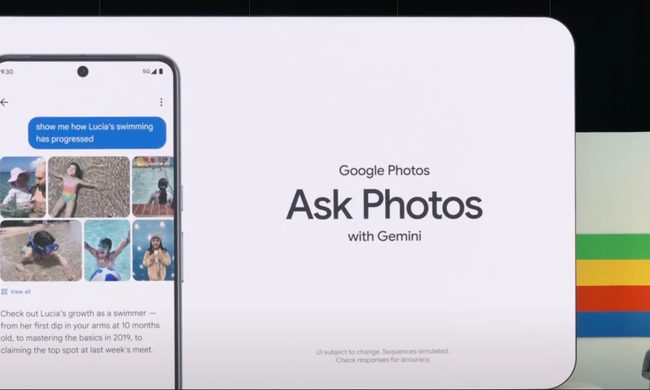
Google's Ask Photos debut.

Google Photos is giving users an easier way to leave its Gemini-powered search when a simple keyword would do. A new toggle now sits at the top of the results page, letting users switch between Ask Photos and classic search without digging through settings.

The change appears to address feedback from people who opted into Ask Photos but wanted a quicker way to return to classic search when Gemini was slower or less useful for a straightforward query.

Read more
Snapseed Camera now lets Android users save original photos and add geotags
Google updates Snapseed Camera with geotag support and non-destructive photo editing
Snapseed App

Google appears to be quietly turning Snapseed into something more than just a photo editing app. Over the past few weeks, the company has been steadily adding new capabilities to Snapseed Camera, its standalone camera app for Android. The latest update introduces two practical features that many smartphone users have come to expect from modern camera apps: the ability to save an untouched copy of every image for future editing and support for embedding location data directly into photos.

Neither feature is flashy, but together they make Snapseed Camera a more capable photography tool, particularly for users who like experimenting with filters without permanently altering their original shots. According to a report by 9to5Google, the features are rolling out with Snapseed Camera version 4.1.1.x on Android.

Read more
Samsung unveils Galaxy credit card ahead of Galaxy Unpacked
Samsung launches Galaxy Card with cashback on Galaxy purchases
Galaxy credit card

For years, Samsung has worked to turn Galaxy into more than a smartphone brand. Today, the company's ecosystem stretches across foldables, smartwatches, televisions, home appliances, smart home products and digital services. Now, it's adding another piece to that puzzle, one that has little to do with hardware.

Samsung has officially introduced the Samsung Galaxy Card, its first branded credit card in the U.S. Designed in partnership with Barclays US Consumer Bank and operating on the Visa network, the card rewards users for everyday spending while offering significantly higher cashback on purchases made directly through Samsung.

Read more