1. Home
  2. Cars
  3. News

The public transportation of the future could be shaped like a square

Add as a preferred source on Google

Our public transportation systems are long overdue for a revamp (just ask the sad commuters in New York City), and now, a solution may finally be on the horizon. A new partnership between Next Future Transportation and Globetouch Inc. promises to “deliver next generation municipal transportation solutions.” At the Connected and Autonomous Vehicle Conference in California’s Silicon Valley this week, the two companies announced their grand plans to implement a smart transportation system in the cities of the future.

Next, which is already working on what the company calls an “advanced smart transportation and goods movement system,” has a network of modular self-driving vehicles that can be joined together to create a bus-like environment. When combined with Globetouch, a company focused on global connectivity services for the connected vehicle and the Internet of Things (IoT) market, the results could make for major improvements over existing public transport methods.

Recommended Videos

As cities around the world become more densely populated and require more efficient methods for moving people from point ‘A’ to point ‘B’, partnerships like this one may be the key to urbanization.

“Modernizing the world’s ailing ground transportation system is both one of the most significant challenges and opportunities of the 21st Century,” said Emmanuele Spera, CEO of Next. “NEXT and Globetouch Inc. will identify strategic projects that will accelerate integration around multimodal transportation solutions and ultimately help cities alleviate congestion.”

John Jiang, President of Globetouch Inc. echoed these sentiments, noting, “As we enter a new era of information-centric transportation, connectivity is right at the center of key opportunities. Our unique global virtual ecosystem of network operators will support the Next’s autonomous fleets and associated IoT infrastructure around the globe.”

While it’s still unclear exactly how this partnership will manifest itself, the combined capabilities of these two companies could spell something exciting for our future.

Lulu Chang
Fascinated by the effects of technology on human interaction, Lulu believes that if her parents can use your new app…
Volvo’s purported EX50 could be the budget-friendly plot twist nobody saw coming
Volvo's next electric SUV could shake up the EX lineup with more room and a smaller price tag.
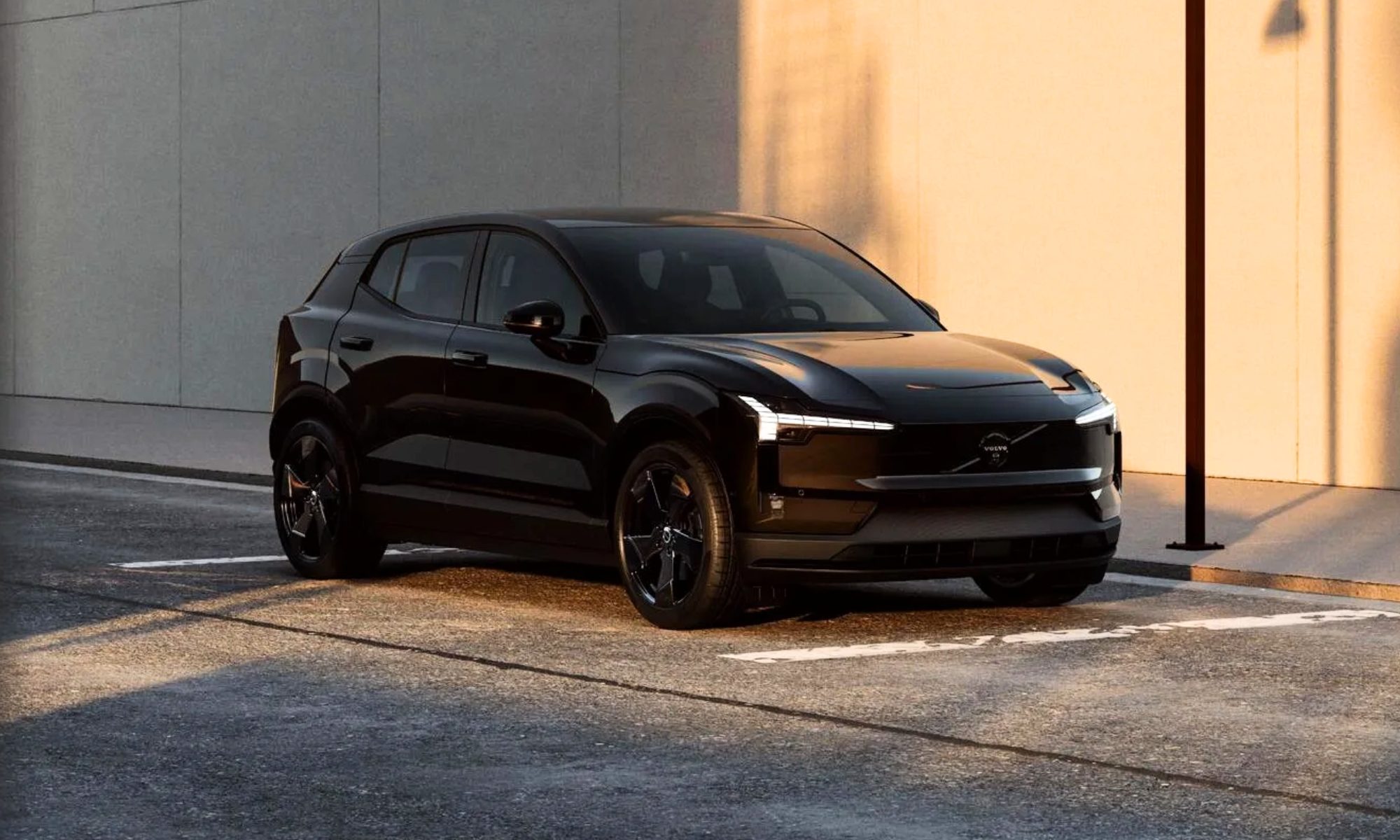
Volvo EX30 front profile.

Volvo’s electric lineup needed a genuinely affordable entry point, and a new report suggests that buyers might actually get one. 

According to a new Automotive News report, Volvo is quietly working on a compact electric crossover, called the EX50. It will be aimed at replacing the dated EX40 in the US sometime in 2027. 

Read more
Xiaomi just launched an SUV with seven seats and a bedroom upstairs
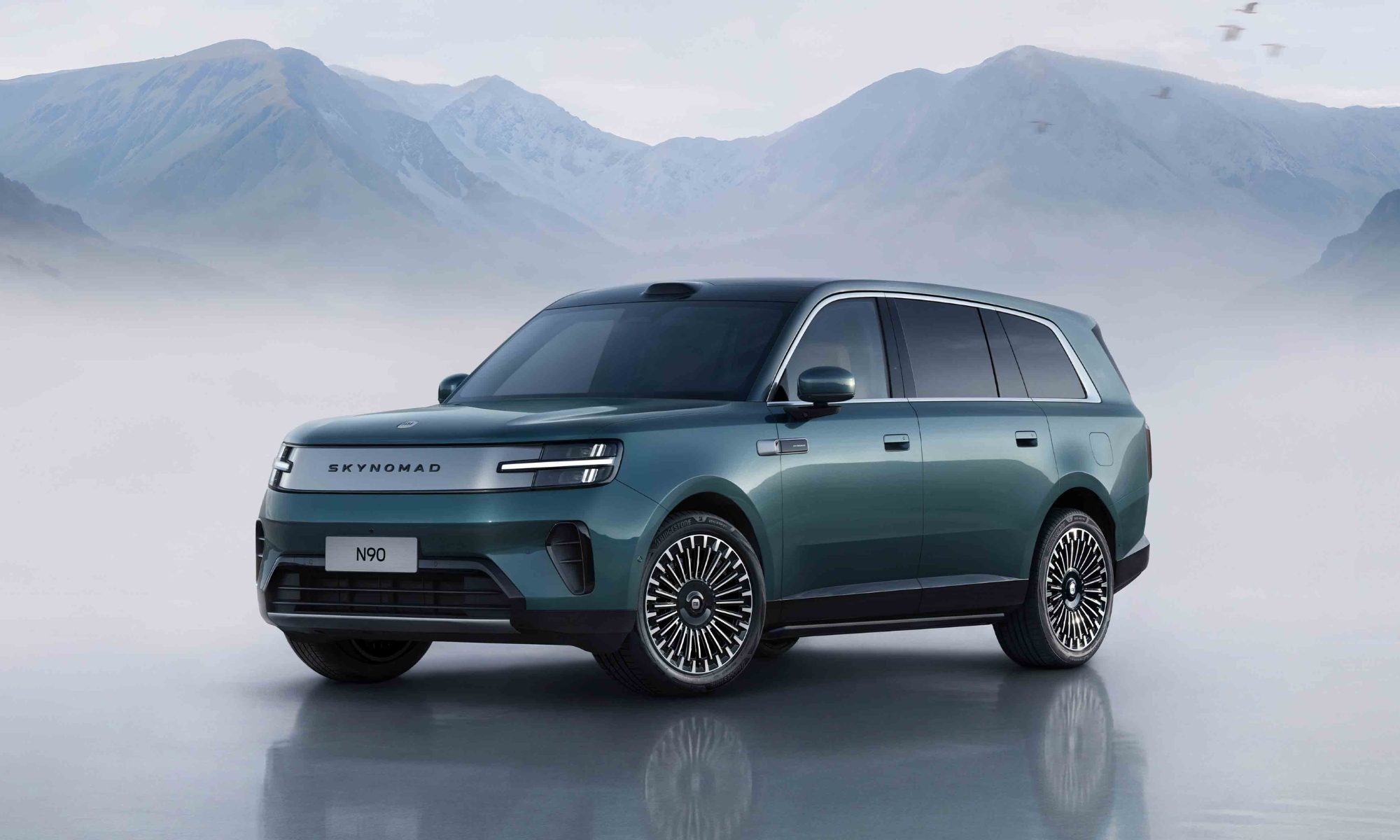
Xiaomi’s SkyNomad SUV could replace your car, office, lounge, and tent
Skynomad

Xiaomi’s new family SUV is basically a house on wheels with enough claimed range to cover more than 1,000 miles. It also costs considerably less than its outlandish feature list might suggest. The company has officially launched the SkyNomad N90 Max in China for 299,900 yuan, equivalent to roughly $44,400 through direct conversion.

Preorders are open now, with the first vehicles expected to reach customers in September. The converted figure provides useful context, though it does not represent pricing outside China. Xiaomi describes the seven-seat flagship as a “house you can move.” This unusually grand pitch starts making sense once you see what happens inside.

Read more
Mazda chief says the MX-5 Miata could go electric
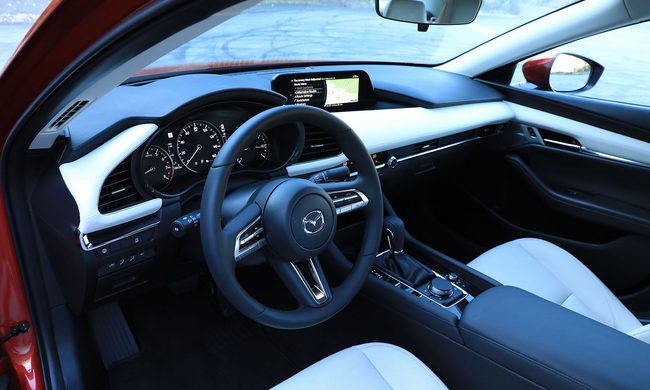
2019 Mazda Mazda3 AWD review

For years, the idea of an electric Mazda MX-5 Miata felt almost impossible. The little roadster has always been celebrated for one thing above everything else: keeping things light. Add a heavy battery pack into the equation, and many enthusiasts assumed the Miata's trademark driving character would disappear along with it.

Mazda, however, appears to have changed its mind. In an interview with German publication auto motor und sport, Mazda CEO Masahiro Moro confirmed that the next-generation MX-5 is being developed with the possibility of an all-electric version in mind. It doesn't mean the iconic roadster is abandoning gasoline anytime soon. Still, it does suggest Mazda wants the Miata to survive in a future where internal combustion engines may no longer be an option.

Read more