1. Home
  2. Computing
  3. Mobile
  4. News

U.S. slowly catching up with the rest of the world’s data speeds, study says

Add as a preferred source on Google

Content delivery network Akamai has published its quarterly “State of the Internet” report for the first quarter of 2017 and while the United States still lags in predictable categories like data speed, it has also made some satisfying gains.

First, the good news. The U.S. leads the world in internet penetration and quite handily at that. Akamai identified more than 142 million unique IP addresses connecting to its servers in the U.S., with the next closest nation being China at 116 million. Keep in mind recent census data places China’s population at roughly four times the size of the United States. Next is Brazil, at 47 million, followed by Japan at 46 million.

Recommended Videos

So the U.S. is doing pretty well in terms of getting people connected, but what about the quality of the service? Unsurprisingly, the country still lags in average speed. Akamai reports that most Americans average 18Mbps downloads via broadband, which is barely good enough to make the world’s top 10. The other nine regions ahead of the U.S. all manage above 20Mbps, with South Korea leading the planet at 28.6 percent.

There is a silver lining to that news, though, because this is the highest the U.S. has ever placed in Akamai’s survey. While nearly every other country in the top 10 saw speeds increase or decrease by a few percentage points, the States saw the second most positive quarter-over-quarter change, at 8.8 percent. What is more, broadband speeds have increased 22 percent over the past year, an impressive feat.

Unfortunately, however, the country’s strides in home internet are not being matched in the mobile space. Users in the U.S. manage an average of 10.7Mbps on their phones, which is good enough to lead North and South America. However, it greatly pales in comparison to the rest of the world, especially Europe.

When it comes to mobile, nobody beats the U.K., at a blazing 26Mbps. Users in Germany and Finland also can claim impressive results, at 24 and 21Mbps, respectively. A third of Asian Pacific countries and a handful or Middle Eastern nations are faster as well, though by much less significant margins.

Akamai places the global mobile average at 7.2Mbps — 15 percent quicker than last year’s findings. For more details, you can check out the full report here.


Adam Ismail
Former Contributor
Adam’s obsession with tech began at a young age, with a Sega Dreamcast – and he’s been hooked ever since. Previously…
This cheap Steam Machine clone sounds too good to be true because it probably is
A Chinese Steam Machine clone claims impossible hardware at an impossible price
A Chinese rip-off of the Steam Machine

Valve’s new Steam Machine has already caused plenty of sticker shock. So it's no surprise that a flood of cheaper alternatives is hitting the online market. Valve is currently charging over $1,000 for its tiny-living-room SteamOS PC, and of course, people are trying to offer the same feel for less money,

One listing from China is a great example, but it looks a little too suspicious. According to VideoCardz, a Steam Machine-style mini PC listing shared on Reddit claims to offer a compact SteamOS system with a 2TB SSD, AMD Ryzen 5 5500 processor, Radeon RX 6750 GRE 10GB graphics, 16GB of DDR5 memory, and a price of 4,680 RMB, or roughly $688. This sounds incredible... if it were true.

Read more
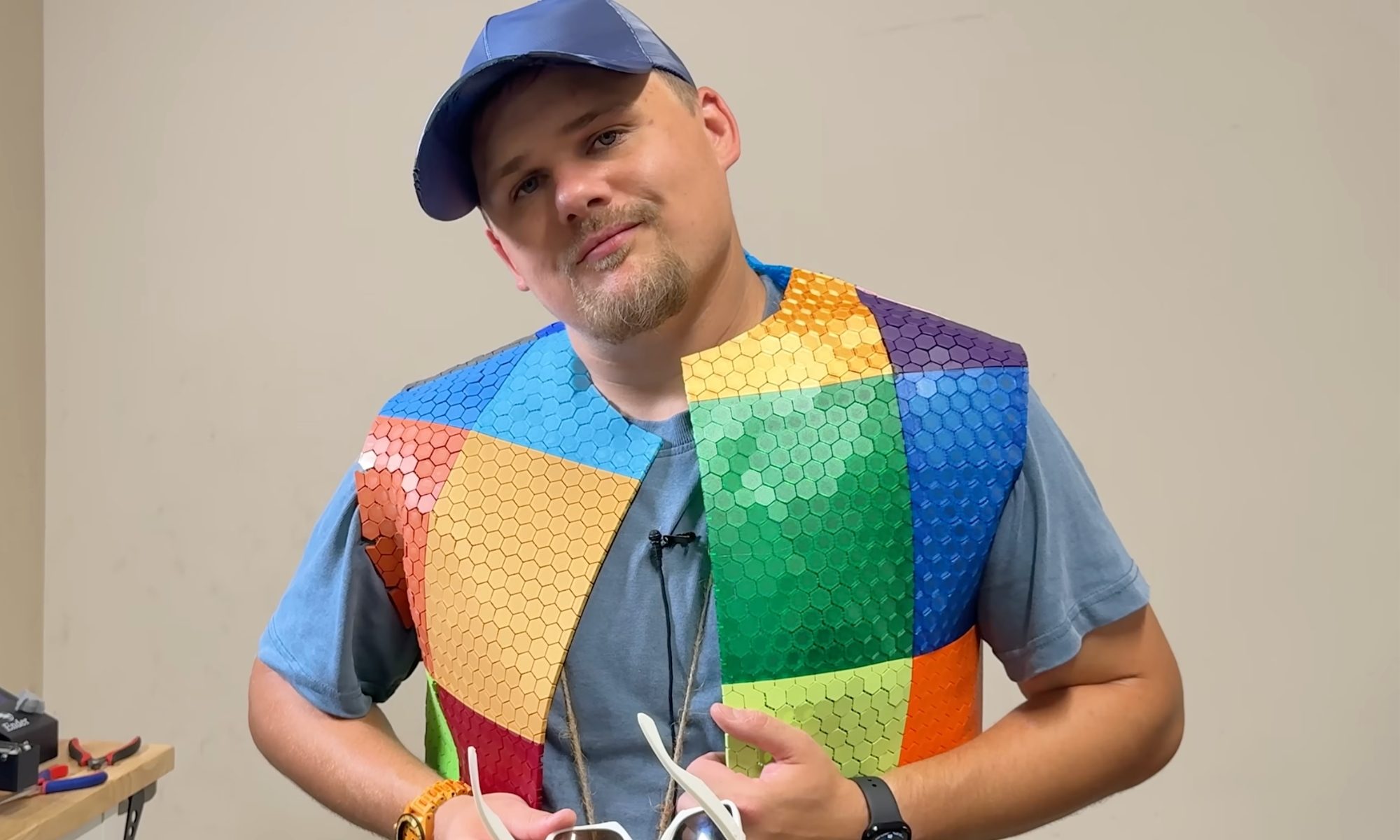
A YouTuber 3D printed an entire outfit, but the comfort and cost are more complicated than you’d think
The 3D-printed outfit is real. Whether it's practical is a different conversation entirely.
Adult, Male, Man

YouTuber Matthew Trahan has made a career out of 3D printing increasingly unusual things. He has printed musical instruments, bedroom furniture, and, in one particularly memorable video, himself.

His latest project is a full outfit, from shirt to shoes, belt to glasses, because apparently nobody told him 3D printers are for creating engineering prototypes or structures that aren’t otherwise feasible, not for fashion week.

Read more
The memory crisis isn’t going to ease, and you will pay the price for it, says a research firm
Forty to 50% higher this quarter, 30 to 40% more next quarter, and no real relief until 2028. Plan accordingly.
RAM memory chips

If you were hoping the memory crisis was about to ease up, I have some bad news for you. It comes directly from Wall Street.

Your next smartphone, laptop, or tablet could cost even more, regardless of whether it has recently been subject to a price hike.

Read more