1. Home
  2. Computing
  3. News

AI learns how to tackle new situations by studying how humans play games

Add as a preferred source on Google

If artificial intelligence is going to excel at driving cars or performing other complex tasks that we humans take for granted, then it needs to learn how to respond to unknown circumstances. That is the task of machine learning, which needs real-world examples to study.

So far, however, most data used to train machine-learning systems comes from virtual environments. A group of researchers, including a Microsoft Research scientist from the U.K., have set out to change that by using game replay data that can show an AI how humans tackle complex problems.

Recommended Videos

The researchers used Atari 2600 game replays to provide real-world data to a deep learning system that uses trial and error, or reinforcement learning (RL), to tackle new tasks in a previously unknown environment. The data used in the study represents what the researchers called the “largest and most diverse such data set” that has ever been publicly released.

The data was gathered by making a web-based Atari 2600 emulator, called the Atari Grand Challenge, available using the Javatari tool written in Javascript. The researchers used a form of gamified crowdsourcing, which leveraged people’s desire to play games in order to be helpful along with a reward mechanism that ranked each player’s performance.

Around 9.7 million frames or about 45 hours of gameplay time were collected and analyzed. Five games were used in creating the data based on their varying levels of difficulty and complexity: Video Pinball, Qbert, Space Invaders, Ms. Pac-Man, and Montezuma’s Revenge.

The results have been promising so far. By feeding information into the system like player actions taken during the games, in-game rewards, and current scores, the researchers were able to demonstrate the value of using this kind of data to train machine learning systems. Going forward, the researchers hope to use professional players to improve the data’s ability to train AI that is even better at responding to unknown situations.

Mark Coppock
Former Computing Writer
Mark Coppock is a Freelance Writer at Digital Trends covering primarily laptop and other computing technologies. He has…
How to set up selfie video sign-in for your Google account
Your face can now serve as a way to get back into your Google account. Here's how to set it up.
Google account selfie sign in tutorial featured

Losing access to a Google account is rarely a quick fix, but Google has been actively working to make things easier. Last year, the company introduced a feature called Recovery Contacts that lets you designate a trusted friend or family member to verify your identity if you ever get locked out. Now, Google has introduced a new option, one that uses your face to get you back in instead of a phone call to a friend.

Like Recovery Contacts, the new selfie video authentication feature requires some setup before you can use your face to sign into your Google account. This involves recording the reference video that Google will use to verify your identity whenever you attempt to log in this way. Here's how to set up selfie video sign-in for your Google account.

Read more
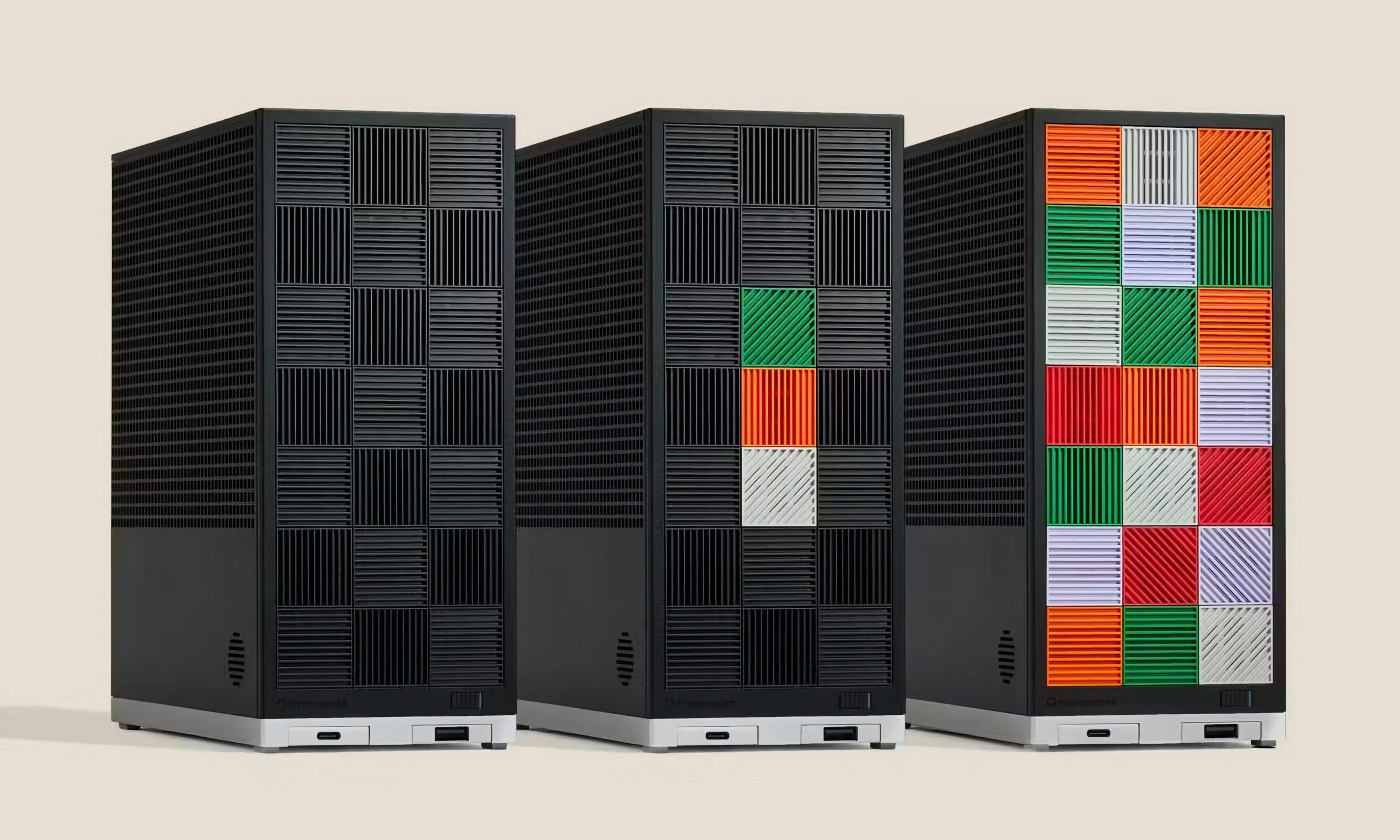
Framework Desktop packs Ryzen AI Max, up to 192GB of RAM, and local AI into a mini PC
192GB of RAM in a desktop this small? Framework says yes.
Framework Desktop feature

Framework has built a reputation for shipping things other PC makers won't even attempt, and its latest teaser keeps that streak alive. At AMD's Advancing AI event, the company previewed a new version of its Framework Desktop, and this one is clearly built with one goal in mind: running large AI models locally on your computer. If you have been eyeing a way to run local AI, this could be the machine to watch.

So what's actually new here?

Read more
AI is becoming the shoulder we cry on, and that worries me
Chatbots are learning to generate comfort now
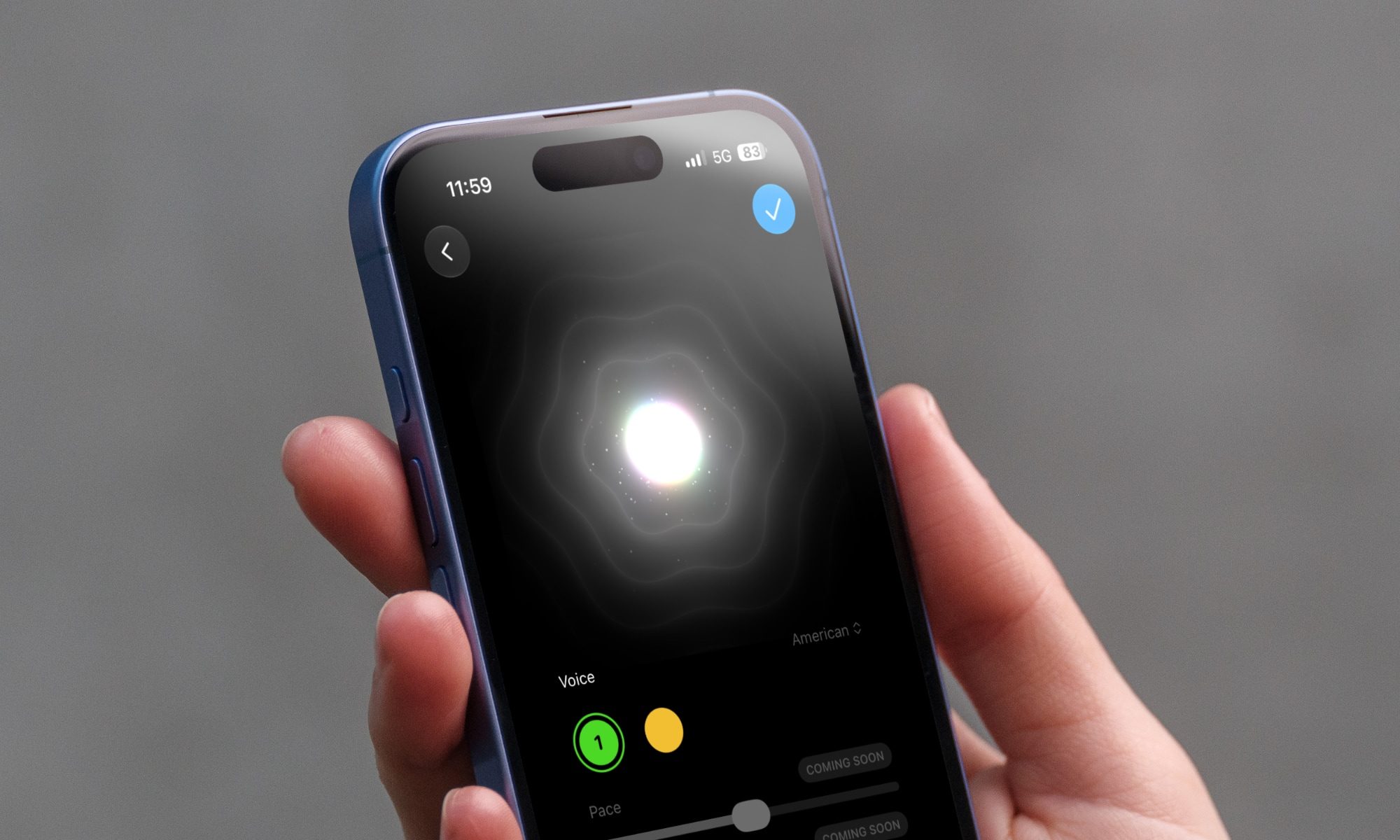
Siri AI voice change

I expected artificial intelligence to be faster in performing calculations or data analysis than humans. But emotional support is one of the last things I could imagine it being better at. New research led by the University of Manchester, alongside Durham University, found that leading AI chatbots could match or sometimes outperform humans when responding to everyday emotional problems. The researchers conducted five studies involving 1,233 participants and tested responses from ChatGPT-4o, Claude 3.5 Sonnet, and Gemini 1.5 Pro.

The researchers conducted five studies involving 1,233 participants and tested responses from ChatGPT-4o, Claude 3.5 Sonnet, and Gemini 1.5 Pro. Participants evaluated messages responding to situations such as being passed over for a promotion or returning to an untidy shared home. They were initially kept unaware of whether each response came from a person or an AI system.

Read more