1. Home
  2. Emerging Tech
  3. News

Using satellites and solar power, education portal brings teachers to refugee camps

Add as a preferred source on Google

As much as we enjoy geeking out over giant mech robot battles and stories about 3D printing in space, one of the most amazing — and amazingly easy to take for granted — aspects of modern technology is the ability to convey information anywhere in the world. That’s something that a new project aimed at teaching kids in the Ampain refugee camp in Western Ghana is taking full advantage of with an education portal.

The organizers are using smart tech — including satellites, solar-powered computer hardware, and an interactive live feed — to deliver two-way lessons to people who otherwise would miss out. According to its organizers at the Varkey Foundation, this is the world’s first satellite-enabled live two-way interactive distance-learning program for children living in refugee camps.

Recommended Videos

“The Ampain primary school has been fitted with a satellite dish, which, through solar-powered technology, receives a live link to highly qualified teachers in a studio in Accra, who broadcast lessons direct to the refugee camp,” Leonora Dowley, country director for Ghana at the Varkey Foundation, told Digital Trends. “Each classroom has a projector so all the children can see the teacher giving the lessons, and each classroom has also been provided with a computer so that children can interact with the teacher in a direct, live, two-way link. This is much more effective than simply providing children with textbooks, as nothing can beat access to a great teacher.”

Image used with permission by copyright holder

The interactive classes have been running since April, with the express aim of helping kids who are currently out of school, or at risk of dropping out of education altogether. The hope is that the project will enable these students to catch up with their basic classes, continue on with secondary education, and learn the language of their host country.

In addition to offering literacy and numeracy lessons, the program also offers after-school sessions aimed at teaching subjects like reproductive health, human rights awareness, financial literacy, and leadership.

“We believe this is a highly replicable solution that could be deployed in other settings,” said Dowley. “Given the extent of the refugee crisis, it will be exciting to see how things could develop on this front in future.”


Luke Dormehl
I'm a UK-based tech writer covering Cool Tech at Digital Trends. I've also written for Fast Company, Wired, the Guardian…
Yet another study says AI is bad for elections, and the rabbit hole gets worse
AI may be an election bomb waiting for someone to light the fuse
Voters cast their ballots on Election Day

Another election, another study has concluded that asking an AI chatbot for political guidance is a spectacularly bad idea. Research conducted during Hungary’s 2026 parliamentary election found that ChatGPT and Google Gemini offered not just inaccurate but also inconsistent and unreliable voting advice. The chatbots misclassified voter profiles, overlooked relevant parties, recommended parties absent from the ballot, and sometimes produced materially different answers when given the same information repeatedly.

AI keeps failing the voter test

Read more
Samsung’s humanoid robot ambitions are real, but factories come first
Samsung’s new robotics division has humanoids in its sights, although its immediate business is far more practical factory automation
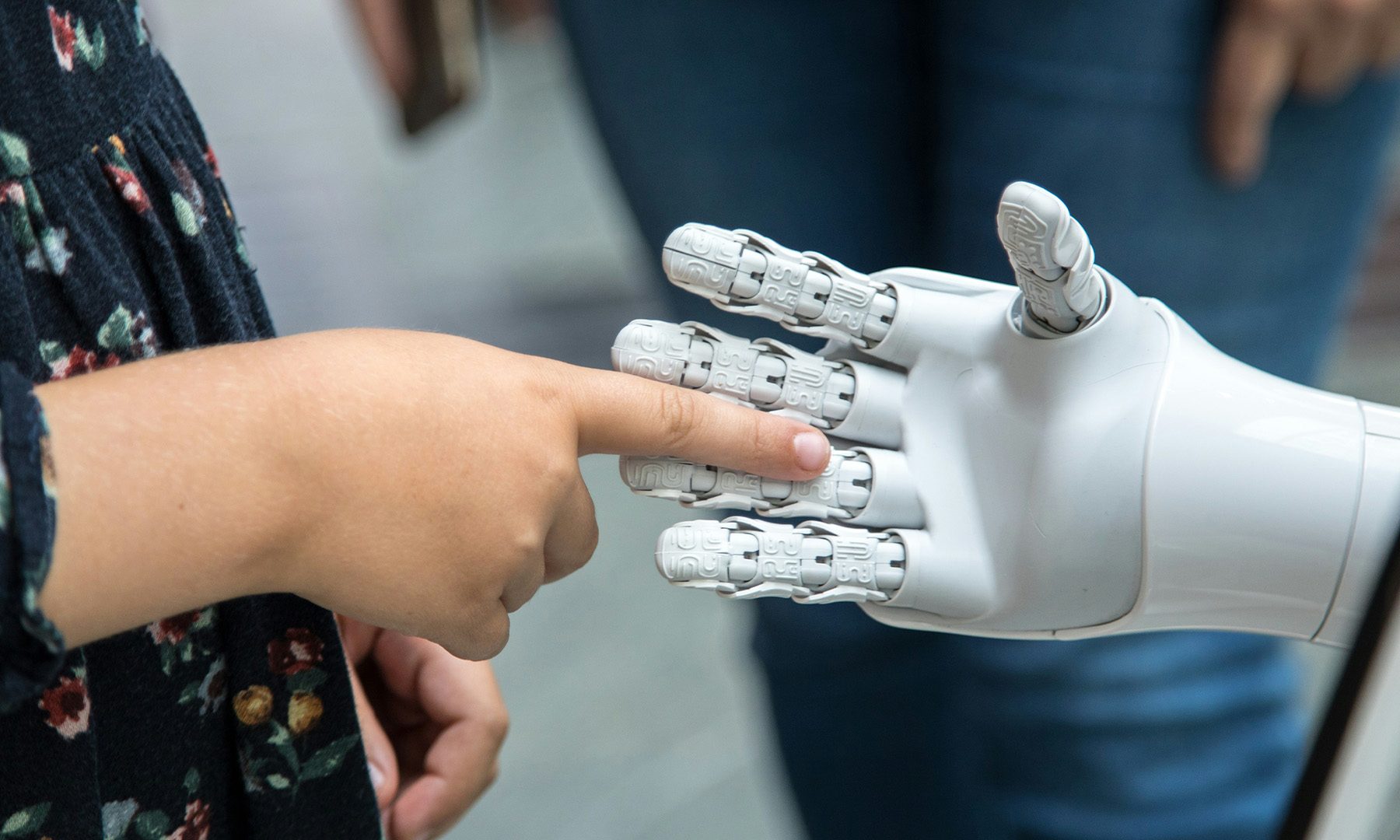
Robot Touch Human Finger

Samsung wants a place in the humanoid race, but its new robotics push begins with machines built for factories rather than homes.

The CEO-led RX robotics division will initially focus on manufacturing robots. Samsung has separately identified humanoids as a priority, although it hasn’t announced a commercial model or explained where one fits into the division’s immediate plans.

Read more
The future of AI may depend on this one behind-the-scenes change
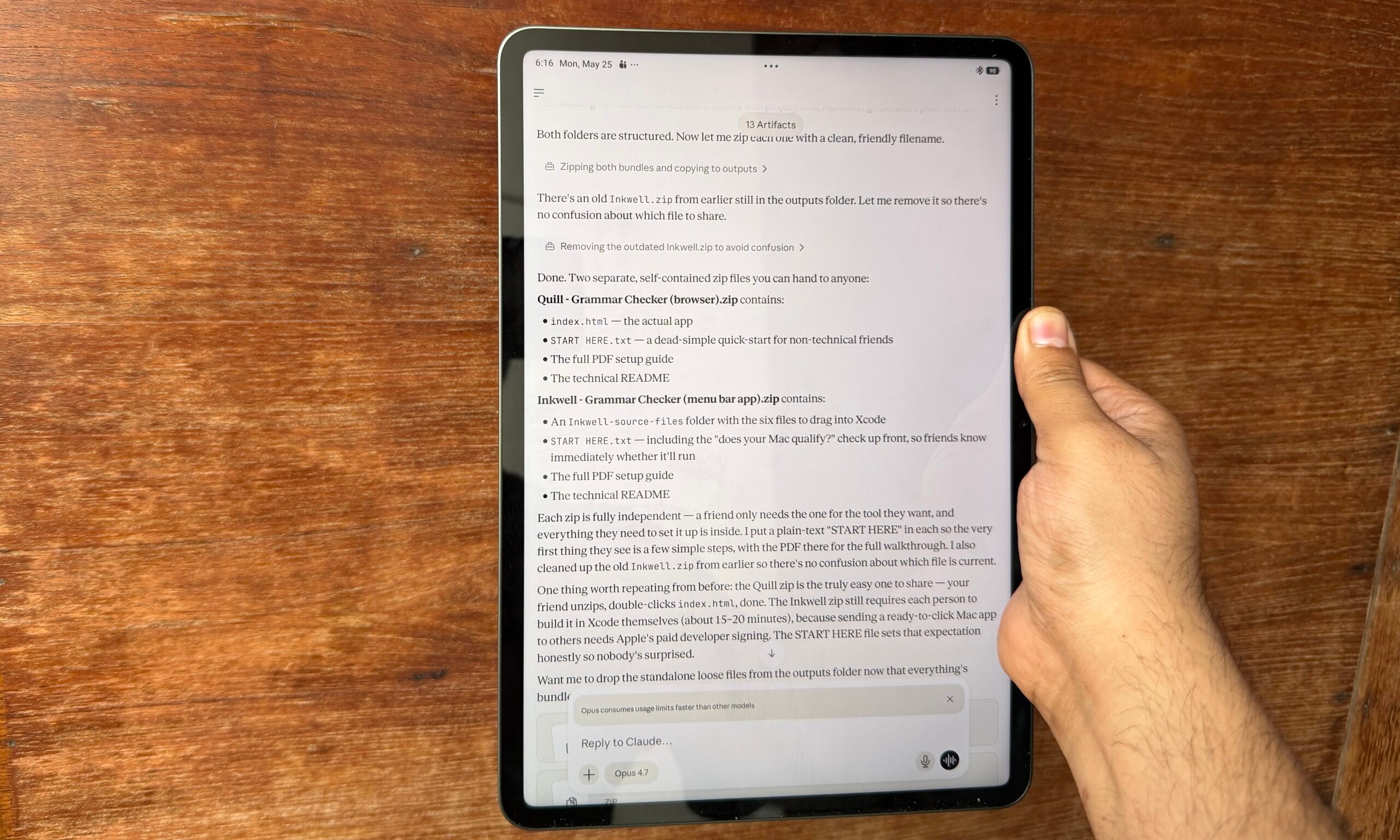
Running Claude on Android.

Whenever a new AI model arrives, it's easy to get caught up in the bells and whistles. We talk about how much smarter it is, how quickly it answers questions, or how realistic its images have become. But here's the thing: none of that matters much if the AI can't reliably work with the apps and services people use every day.

That's why an upcoming update to the Model Context Protocol (MCP) caught my attention. It isn't a new chatbot or a fancy AI model. In fact, most people will never even know it's happening. But it could quietly make the AI ecosystem a lot healthier. If you've never heard of MCP before, don't worry. Think of it as a shared language that lets AI assistants safely talk to apps like Gmail, Slack, calendars, databases, and countless other services. Instead of every company inventing its own way to make those connections, MCP gives everyone a common rulebook.

Read more