1. Home
  2. Cars
  3. News

Toyota will use the 2020 Tokyo Olympics to showcase self-driving cars

Add as a preferred source on Google

Just as Hyundai plans to use the 2018 Winter Olympics in its home country of South Korea to demonstrate self-driving cars, Toyota will do the same at the 2020 Summer Olympics in Tokyo.

Toyota will bring a fleet of autonomous cars to the Japanese games, Ken Koibuchi,the automaker’s general manager for autonomous tech, told Automotive News during a preview of the 2018 Lexus LS. Toyota is a major Olympic sponsor and Japan’s largest automaker, and believes the Olympics will be an important venue for showcasing new technology.

Recommended Videos

Executives believe the Odaiba waterfront area of Tokyo, where many of the Olympic venues will be, is ideally suited to demonstrations of self-driving cars. Unlike most of Tokyo, which is made up of narrow, winding streets, the Odaiba waterfront features wide, straight streets and relatively light traffic.

While it has kept a lower profile than other automakers, Toyota does plan to launch fully autonomous cars in the near future. It’s also taking a slightly different approach than the competition. Toyota prefers not to use the term “autonomous,” since it may instill false confidence in drivers, Koibuchi told Automotive News. Instead, it prefers the term “automated.”

Toyota seems less eager to take human drivers completely out of the equation. Its “Mobility Teammate Concept” envisions the car as a partner for the human driver, rather than a replacement. Toyota is also emphasizing autonomous driving for people who can’t drive on their own, such as the elderly or disabled.

Some technical hurdles must still be cleared before self-driving cars can go into production. First, Toyota must adapt lidar for use in its production vehicles. Lidar, which operates on a similar principal to radar but using light instead of radio waves, is a fixture on most prototype autonomous cars. But getting costs down and packaging the sensors in a production cars will still be challenging.

Self-driving cars will also need high-quality digital maps, Koibuchi said. The Japanese government is trying to map the country’s road network, but so far, only a portion of Japan’s highways have been mapped. Koibuchi believes the entire highway network will be mapped in time for the 2020 Olympics, but noted that surface streets “are a huge task.”

Stephen Edelstein
Stephen is a freelance automotive journalist covering all things cars. He likes anything with four wheels, from classic cars…
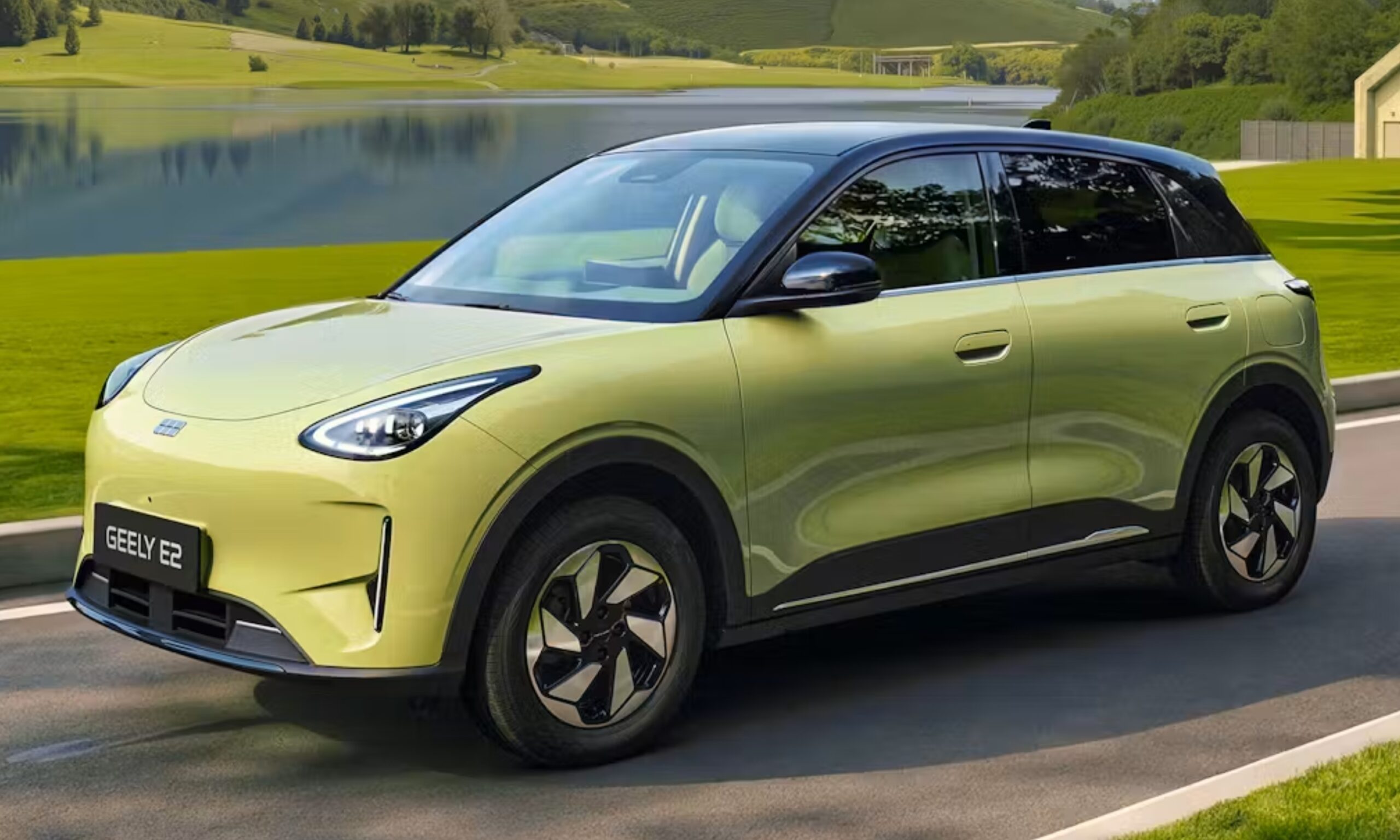
Europe is reaping the benefits of an open market with a terrific $22K EV, while the US market stays boring 
The new Geely E2 undercuts many rivals while highlighting China's affordable EV momentum.
Transportation, Vehicle, Car

This is not the first time I’ve watched European or Chinese car shoppers, for that matter, get a chance to buy genuinely affordable EVs. Meanwhile, American buyers keep hearing and talking about higher starting prices and fewer features on the entry-level trim. 

Geely’s new compact electric hatchback costs 19,490 EUR in Belgium, or roughly $22,490, and is yet another example of the same. While the entry price is only available for a limited time, I'm talking about the overall package the automaker is offering. 

Read more
Google Assistant finally has a shutdown date, and it’s only weeks away
Google Assistant starts shutting down September 4 as Gemini takes over.
google assistant mobile.

Google Assistant’s long goodbye now has a firm date. Google says it will begin discontinuing the voice assistant on eligible mobile devices on September 4, 2026, according to an email sent to users and shared publicly on Reddit.

The transition may take several weeks, so Assistant won’t vanish from every device at once. Once the change reaches an eligible Android device, Gemini will replace Assistant with no option to switch back.

Read more
Your next boat could finally feel like your car, thanks to this major navigation upgrade
Boat

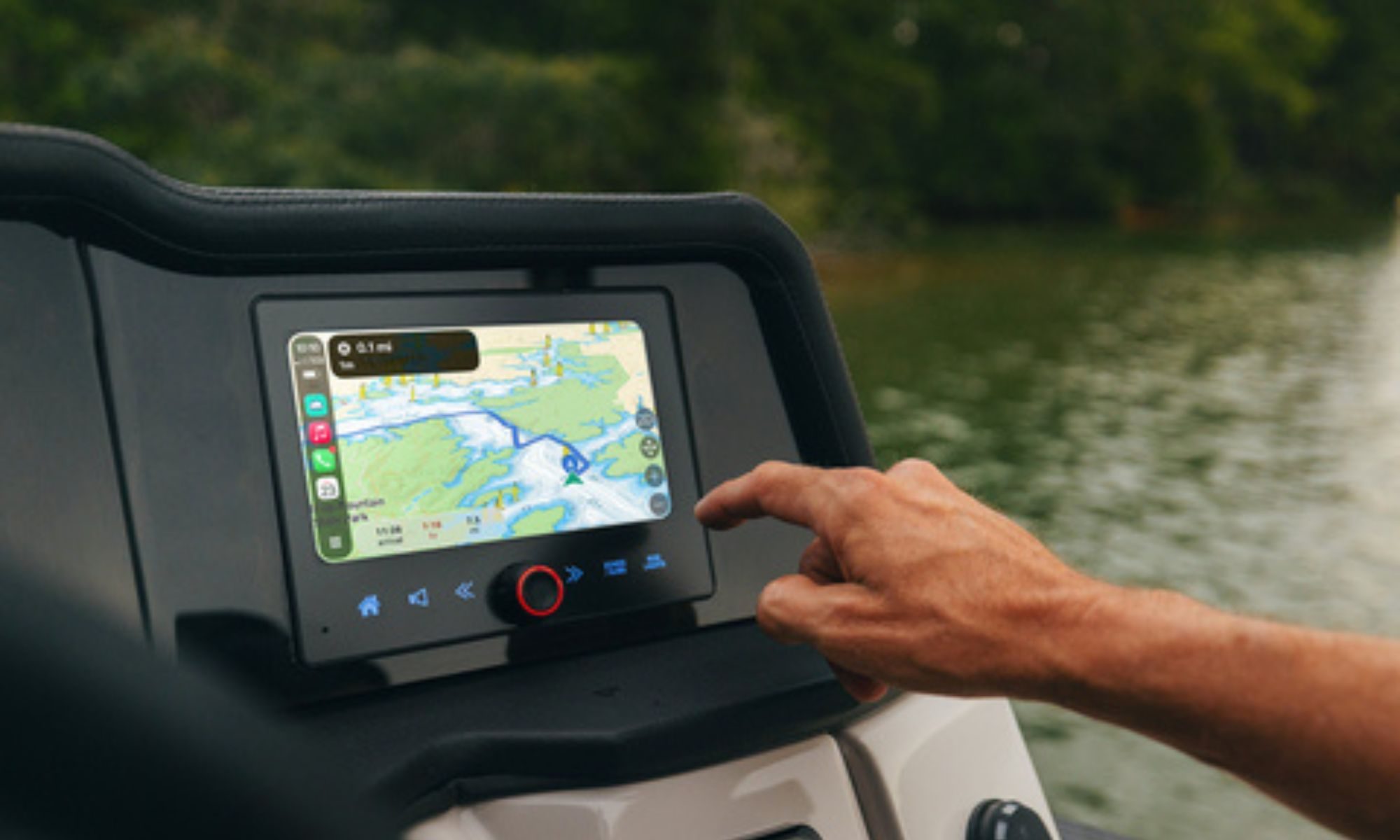
If you've ever relied on a dedicated marine GPS, you'll know it often feels like stepping back in time. Clunky menus, confusing charts, and awkward route planning have long been part of the boating experience. That's finally starting to change.

As per a report by BusinessWire, Crest and Balise, the two pontoon brands under MasterCraft Boat Holdings, have announced a partnership with marine navigation app Savvy Navvy to bring a far more familiar experience to the helm. Beginning with select 2027 models, owners will be able to use Apple CarPlay and Android Auto to access Savvy Navvy directly from their boat's display. Instead of juggling separate navigation hardware or switching back and forth between your phone and dashboard, boaters will be able to access maps, routes, and trip information from the same infotainment screen they already use.

Read more