1. Home
  2. Emerging Tech
  3. Smart Home
  4. News

Could a graphene filter be the key to helping us drink seawater?

Add as a preferred source on Google

Science may soon make the seas accessible to us, insofar as drinking water is concerned. According to a new study released in Nature Nanotechnology, we may soon be able to desalinate and purify water more easily with a graphene filter. Thanks to the work of an international team of scientists, including researchers from the University of Manchester, Shinshu University in Japan, and Penn State’s Center for Atomically Thin Multifuctional Coatings (ATOMIC), we now have a “sturdy and practical membrane for clean water solutions as well as protein separation, wastewater treatment, and pharmaceutical and food industry applications.”

As it stands, around 1.2 billion people around the world do not have access to clean drinking water, but making use of readily available seawater could be a viable fix. However, “Current desalination methods are energy intensive and produce adverse environmental impact,” wrote Ram Devanathan a researcher at the Energy and Environment Directorate at Pacific Northwest National Laboratory. “Furthermore, energy production consumes large quantities of water and creates wastewater that needs to be treated with further energy input.” A membrane, however, could address these issues.

Recommended Videos

In essence, the graphene membrane is a sieve that allows certain molecules to go through, while keeping others out. The membrane was created by modifying graphene oxide membranes and the result is a filter that effectively filters out the salt from otherwise impure drinking water.

“Our dream is to create a smart membrane that combines high flow rates, high efficiency, long lifetime, self-healing, and eliminates bio and inorganic fouling in order to provide clean water solutions for the many parts of the world where clean water is scarce,” Mauricio Terrones, a professor of physics, chemistry, and materials science and engineering at Penn State, said. “This work is taking us in that direction.”

In initial tests, scientists found that their membrane was capable of keeping out 85 percent of salt, and while that is not quite pure enough for drinking purposes, it is good enough for agricultural use. Similarly, the membrane was capable of keeping out 96 percent of dye molecules, which are extremely polluting.

The team is not quite done, however. Further research is needed to ensure that this new membrane is a scalable solution and is inexpensive enough to be used by those who need it the most.


Lulu Chang
Fascinated by the effects of technology on human interaction, Lulu believes that if her parents can use your new app…
Yet another study says AI is bad for elections, and the rabbit hole gets worse
AI may be an election bomb waiting for someone to light the fuse
Voters cast their ballots on Election Day

Another election, another study has concluded that asking an AI chatbot for political guidance is a spectacularly bad idea. Research conducted during Hungary’s 2026 parliamentary election found that ChatGPT and Google Gemini offered not just inaccurate but also inconsistent and unreliable voting advice. The chatbots misclassified voter profiles, overlooked relevant parties, recommended parties absent from the ballot, and sometimes produced materially different answers when given the same information repeatedly.

AI keeps failing the voter test

Read more
Samsung’s humanoid robot ambitions are real, but factories come first
Samsung’s new robotics division has humanoids in its sights, although its immediate business is far more practical factory automation
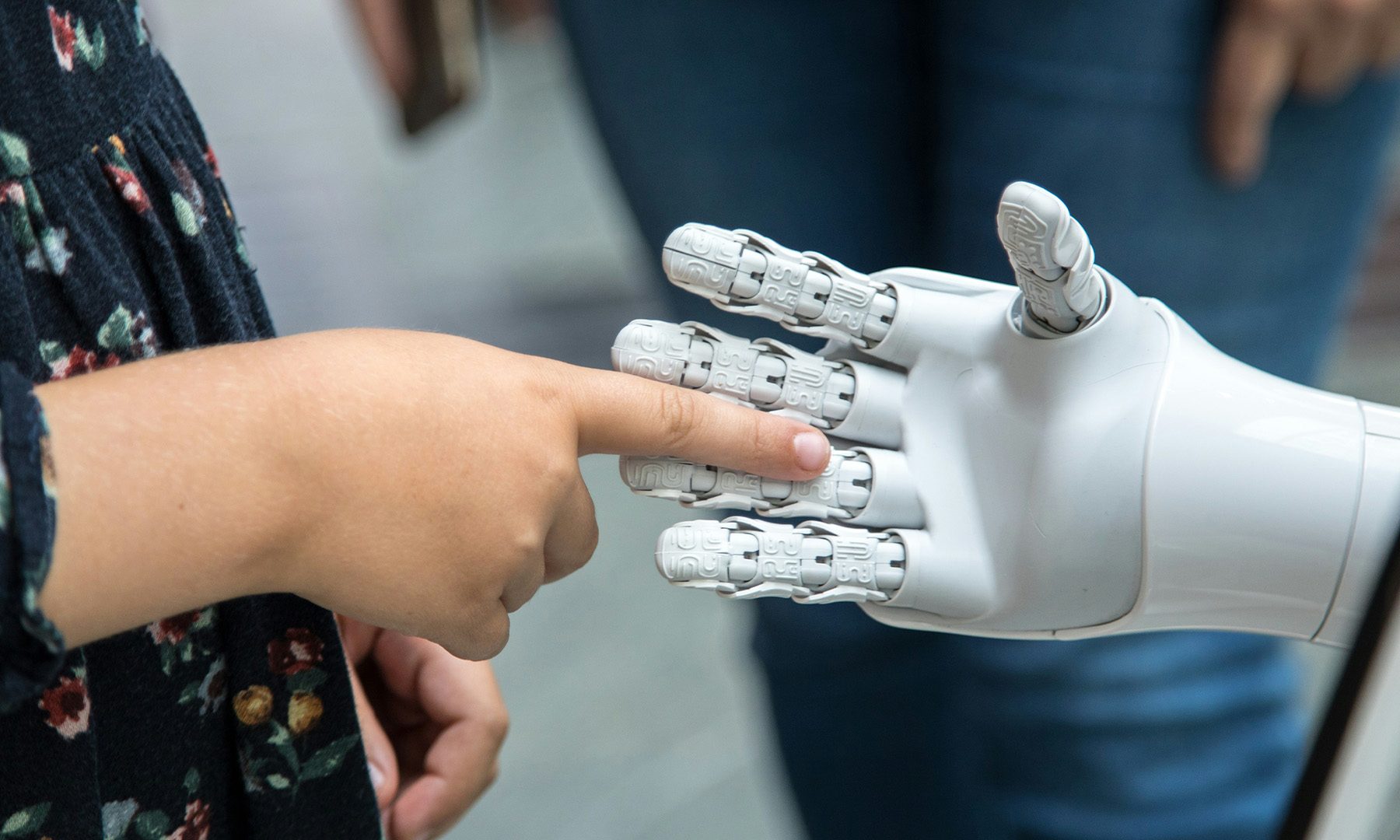
Robot Touch Human Finger

Samsung wants a place in the humanoid race, but its new robotics push begins with machines built for factories rather than homes.

The CEO-led RX robotics division will initially focus on manufacturing robots. Samsung has separately identified humanoids as a priority, although it hasn’t announced a commercial model or explained where one fits into the division’s immediate plans.

Read more
The future of AI may depend on this one behind-the-scenes change
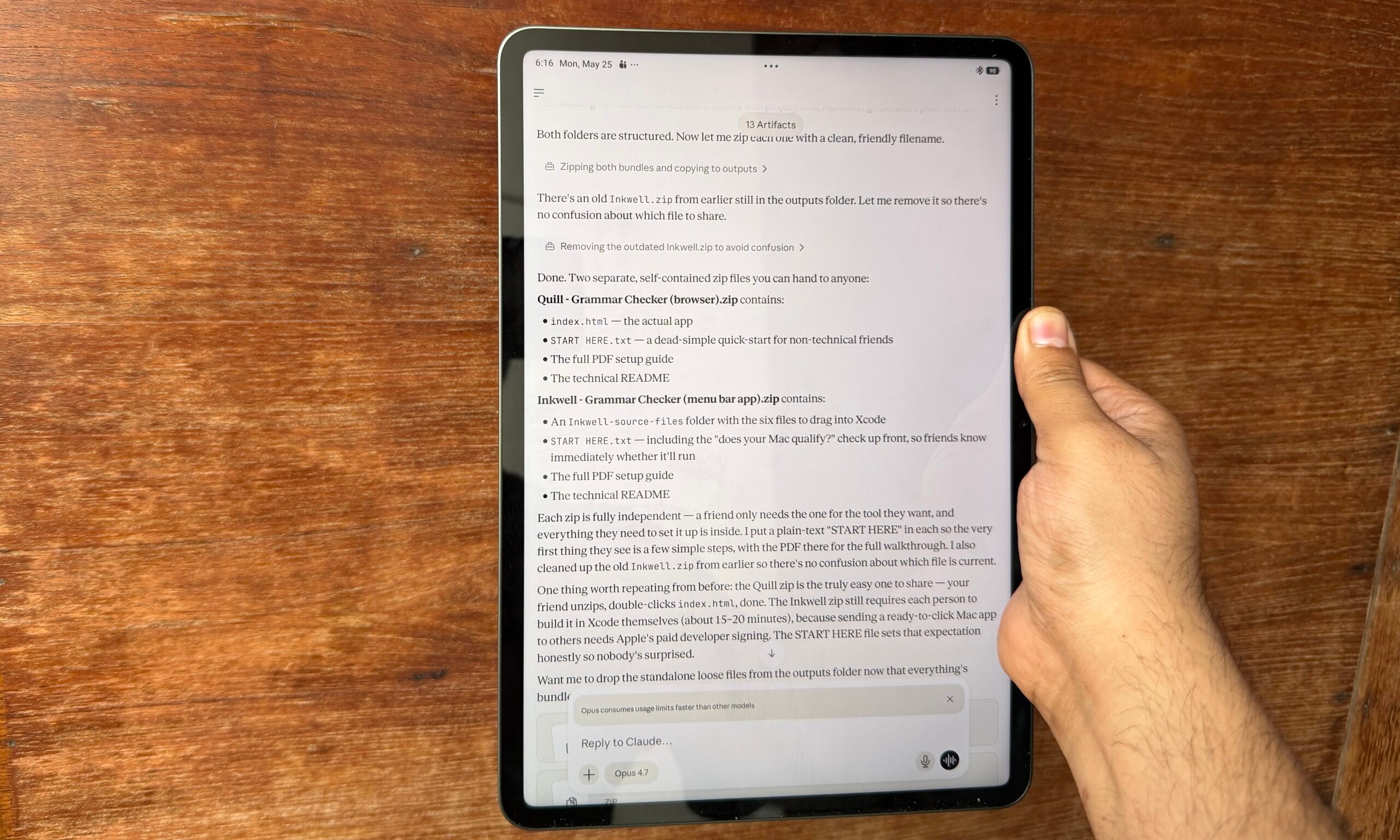
Running Claude on Android.

Whenever a new AI model arrives, it's easy to get caught up in the bells and whistles. We talk about how much smarter it is, how quickly it answers questions, or how realistic its images have become. But here's the thing: none of that matters much if the AI can't reliably work with the apps and services people use every day.

That's why an upcoming update to the Model Context Protocol (MCP) caught my attention. It isn't a new chatbot or a fancy AI model. In fact, most people will never even know it's happening. But it could quietly make the AI ecosystem a lot healthier. If you've never heard of MCP before, don't worry. Think of it as a shared language that lets AI assistants safely talk to apps like Gmail, Slack, calendars, databases, and countless other services. Instead of every company inventing its own way to make those connections, MCP gives everyone a common rulebook.

Read more