We’ve written before about the futuristic construction company DIRTT — the acronym stands for “Doing It Right This Time,” a credo the company uses to praise its innovative approach to modular construction. DIRTT is the company with the moveable walls and creative approaches to home design. Now the company is adding a new level of interactivity by launching an app that allows users to walk through their future space in virtual reality (VR) before it’s even built — and with no headsets required.
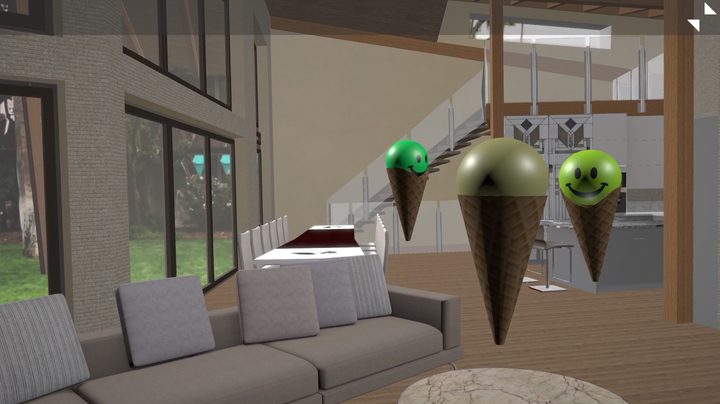
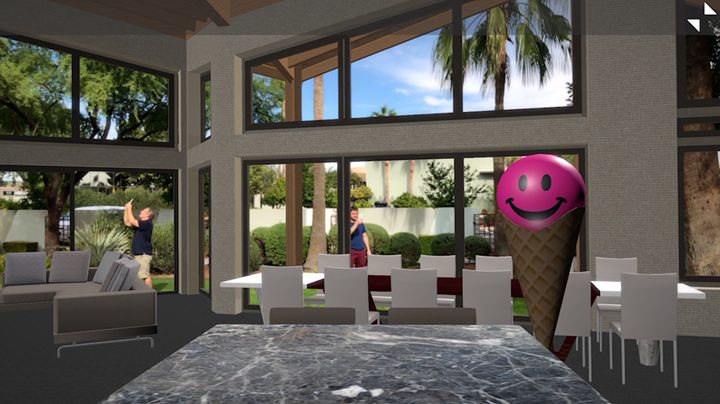
The app, available now on the Apple App Store, is called ICEreality. It’s a VR app that is built on top of DIRTT’s ICE software, a Building Information Modeling (BIM) tool that combines material data, pricing, engineering, manufacturing and, installation data for every aspect of an interior design project. When linked with an ICE design file, an iPhone running ICEreality instantly becomes a VR viewer for the pliable space design. Even cooler, multiple users can check out the space at the same time, as any user is transformed by the software into an avatar who can navigate the design in real time.
“ICEreality is the first time ICE VR has been a shared experience available to people in the palm of their own hand,” said DIRTT’s co-founder and chief technology officer, Barrie Loberg. “This app embodies an essential human element that’s oftentimes missing in traditional virtual reality — the shared social experience of exploring a space. ICEreality turns the design phase of a construction project into an incredibly powerful, useful, and now portable, social experience.”
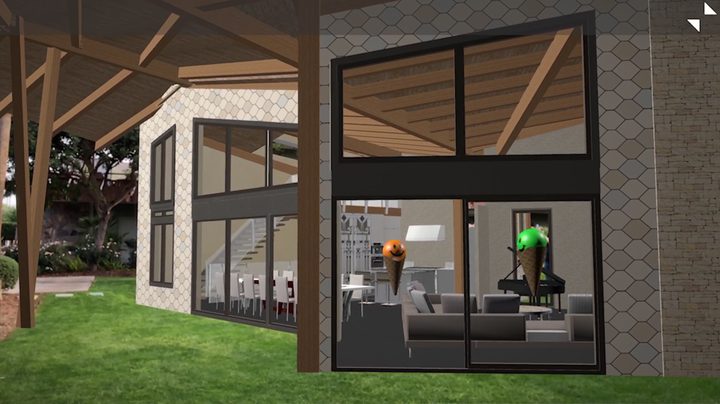
The company intends for the ICEreality app to spur collaboration by allowing people to easily see, modify, and evaluate their environments. Changes to the design can be made instantaneously as the use explores the VR version of their future space. At the same time, those changes alter the VR model to match visually and to sync with all backend data, including pricing.
“It’s portable virtual reality in your pocket,” said one of DIRTT’s beta testers for the ICEreality app. “You can take it anywhere and put someone right into their space.”
It’s just one more example of how DIRTT is trying to break the mold when it comes to modular construction. The company, which has manufacturing facilities in Alberta, British Columbia, Arizona, and Georgia, has been using its proprietary 3D software to design, manufacture, and install fully customized, prefabricated interiors since it was founded in 2003. While the company has predominantly focused its efforts on commercial, healthcare and education spaces, the residential market also holds a great deal of opportunity for the firm.
“DIRTT has allowed people to understand that you can have all the things you want in terms of self-expression and adaptation without any constraints on the idea of modularity,” said the firm’s co-founder and vice president of development, Geoff Gosling, to Digital Trends earlier this year. “A lot of that has to do with our willingness to let our clients completely express themselves. If something doesn’t exist in the world that our clients would like, we have a product development team that does nothing but project-related unique design. That expression can be an aesthetic expression, a technological need, unique environmental constraints, etc. The other thing that is unique about our framework is that our designs can carry just about any material on the planet. If a client has a unique material that they want to employ, the DIRTT solution can just grab it and assimilate it.”
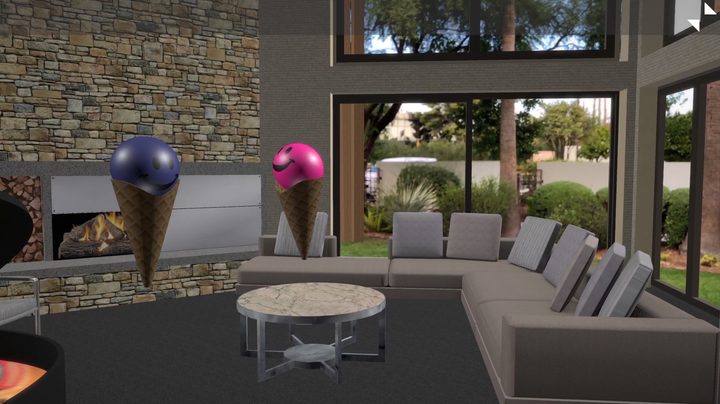
The ICEreality app is available now on the App Store and is compatible with iPhone 6s or newer models, running the latest version of IOS11. Although users will be required to run an ICE software program and have an ICE license, the virtual reality app requires no special equipment. Graciously, DIRTT has provided users who don’t have a connection to the company’s ICE software with a pre-loaded timber frame demo file so they can try out the app’s interface before they invest in the back end.