1. Home
  2. Cars
  3. News

Nissan follows GM with plan to test robo-taxis in early 2018

Add as a preferred source on Google

The world’s eyes will be on Tokyo during the 2020 Olympics, so it’s little wonder Japanese auto giants such as Nissan and Toyota are working flat out to get their self-driving technology ready in time for the sporting extravaganza.

Nissan said on Tuesday, December 5 that it plans to start testing an “Easy Ride” self-driving taxi service on public roads in Yokohama, Japan in March, 2018, with members of the public offered free rides between destinations around the city. The automaker has been working with local internet and software company DeNA since January this year to develop its driverless technology, which is fitted to modified models of Nissan’s Leaf electric car. An earlier version of the technology was tested in London at the start of 2017.

Recommended Videos

The project combines Nissan’s Intelligent Mobility technology, which ensures the robot car navigates roads safely, with DeNA’s experience in developing and operating self-driving mobility services using its experience in artificial intelligence and the internet.

“With ‘more freedom of mobility’ as its concept, Easy Ride is envisioned as a service for anyone who wants to travel freely to their destination of choice in a robo-vehicle,” Nissan said in a release.

The ultimate goal of the Easy Ride service is to allow riders to complete the entire process via a smartphone app, from summoning a robot taxi to setting the destination to paying the fare.

Just as in the U.S., Japanese firms are also investing heavily in the development of self-driving technology. Besides Nissan, Toyota is building a driverless car, in September unveiling a modified Lexus LS 600hL. The vehicle confused many when they first saw it, as it has two steering wheels — an odd-looking design that Toyota said is for testing the transfer of control between the car’s computer and the human driver. Honda also has plans to launch a self-driving car.

Driverless taxi services like the one Nissan is interested in have emerged as the main focus of companies developing self-driving cars, with GM, for example, recently unveiling a bold plan to introduce robot taxis to cities across the U.S. in a bid to boost revenue. GM president Dan Ammann said last week that whereas the company currently receives around $30,000 over the lifetime of a new vehicle that it sells, that figure could grow to hundreds of thousands of dollars for a self-driving car used as part of a revenue-generating ride-hailing service. The American car company wants to test its driverless cars on the streets of New York City from early next year.

Competing with Nissan to build an autonomous ride-hailing service in Japan is local robotics firm ZMP, which has partnered with a Tokyo taxi operator to develop driverless cabs that it wants to have ready for the Tokyo Olympics in 2020.

Trevor Mogg
Contributing Editor
Not so many moons ago, Trevor moved from one tea-loving island nation that drives on the left (Britain) to another (Japan)…
Two Indian automakers just beat Tesla at the one thing you’d expect it to own
Two Indian automakers, Tata Motors and Mahindra, just topped a global EV efficiency ranking ahead of Tesla and BYD.
Car, Suv, Transportation

I'll admit, Tesla topping an efficiency ranking felt like a foregone conclusion until I actually saw the numbers. Turns out two Indian automakers just embarrassed both Tesla and the world's biggest EV maker at their own game. 

The first time I read the report, I couldn’t believe it, and I’ve been following the Indian automobile industry for a couple of years now.  

Read more
BYD’s new Racco is Japan’s first electric kei car with over 300 km range
The Racco also undercuts Nissan's Sakura on price before taxes and incentives, which packing in features rarely seen in the kei car segment.
BYD Racco

BYD has entered the Japanese kei car market with the Racco, an electric car built specifically for the country's compact car segment. Its top trim delivers 320 km of range, making it the first compact electric car in the market to pass 300 km, according to ITHome.

Kei cars are a Japanese vehicle class with strict size and power limits, and the segment has long been dominated by domestic automakers such as Honda, Nissan, Suzuki, and Daihatsu. The Racco is BYD's first attempt to compete in that space.

Read more
Xiaomi spills SkyNomad EREV details ahead of July 30 debut and it rhymes with Kunlun
Xiaomi made a sedan first. Now it's coming for your family SUV too.
Skynomad

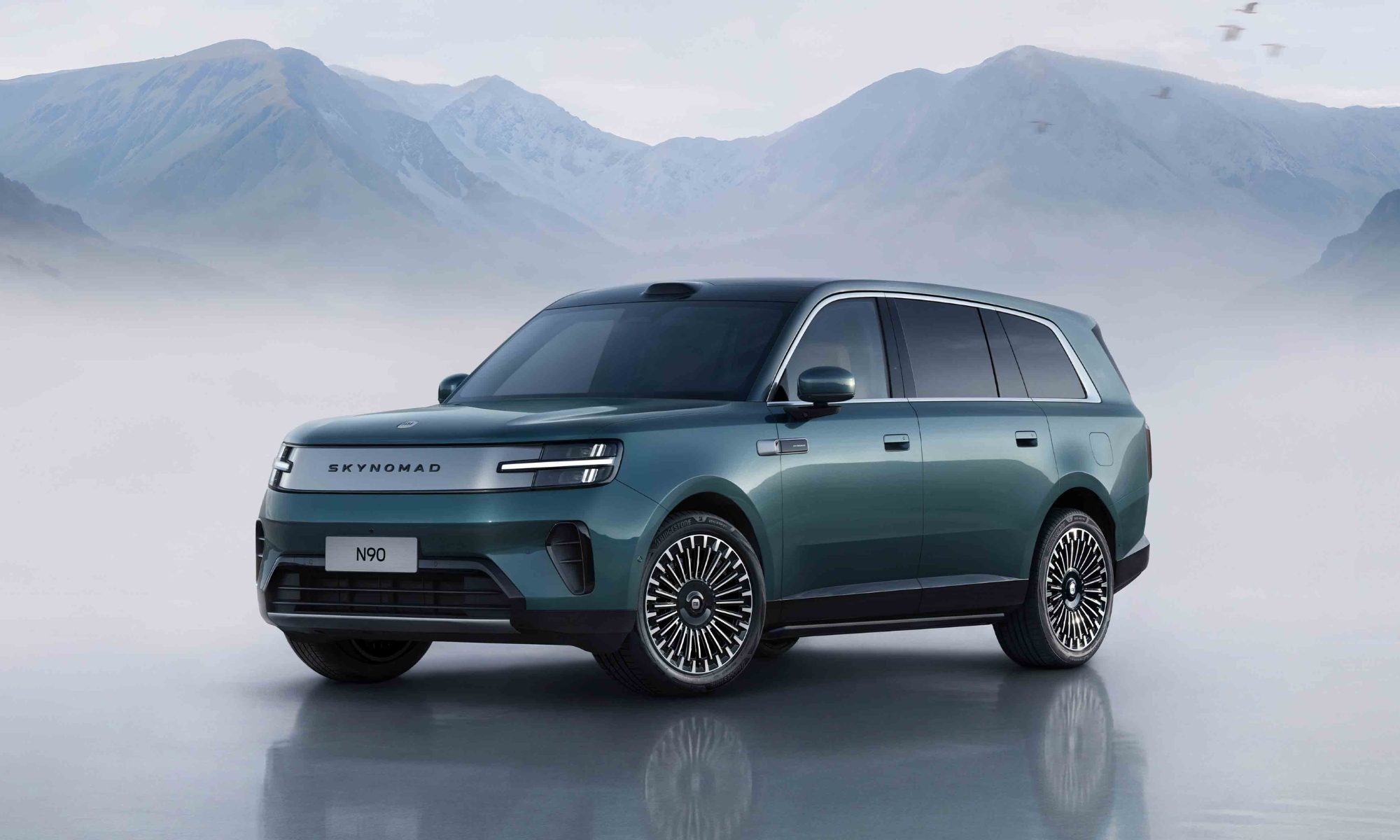
When Xiaomi entered the automotive industry, it did so with the all-electric SU7 sedan before expanding into SUVs with the YU7. Its next move is taking the company into one of China's fastest-growing vehicle segments: extended-range electric SUVs (EREVs). Ahead of a technical presentation on July 30, Xiaomi has shared fresh details about its upcoming SkyNomad lineup via its Weibo channel, first spotted by CarNewsChina, revealing the new Kunlun range extender, fuel economy figures and testing progress.

At first glance, the SkyNomad N90's upright silhouette, squared-off proportions and premium detailing inevitably draw comparisons with the Range Rover. But mechanically, Xiaomi appears to be targeting a very different group of rivals. The company is entering a market currently dominated by Chinese brands such as Li Auto and Huawei-backed Aito, both of which have built successful businesses around extended-range SUVs that combine electric driving with the convenience of a gasoline-powered range extender.

Read more