1. Home
  2. Phones
  3. Android
  4. Apple
  5. Mobile
  6. News

iPhone X beats Samsung’s Note 8 and 7 Edge in OLED display burn-in test

Add as a preferred source on Google

After the iPhone X was released, Apple addressed that, over time, the OLED display could experience burn-in. First seen by BGR, Korean tech site Cetizen tested the smartphone’s display to measure exactly how long it takes to burn in an image and found it took more than 500 hours to show significant effects.

In addition to testing the iPhone X, Cetizen mixed in the Samsung Galaxy Note 8 and Galaxy 7 Edge — both of which also feature OLED screens. All three phones displayed a static image on each respective screen with settings turned up to maximum brightness throughout the entire test.

Recommended Videos

But what exactly causes burn-in? When the static image is left on your screen for too long, it then gets burned into the display permanently. This means the image is still visible even when it’s not supposed to be there anymore.

The iPhone X was the first device to show signs of burn-in after 17 hours of constant use, but the image was barely noticeable while using the device. The Galaxy Note 8 took 62 hours to show any signs of burn-in but once it did, it was much more distinct than the iPhone X.

In total, it took 510 hours of testing for the iPhone X to show permanent burn-in effects. The Galaxy 7 Edge performed well but still showed signs of visible burn-in sooner than the iPhone X — while the Note 8 experienced the worst signs of burn-in by the end of the test.

Burn-in is especially common with OLED screens across the board whether it’s smartphones, monitors, or TVs. Google’s Pixel 2 XL showed early signs of burn-in for some users in October and the company released a software update to relieve the problem but to also expand the life of the OLED panel.

With the update, the Android navigation keys fade out after a short period of time when not being used. The screen’s brightness also drops 50 nits, which Google claims is unnoticeable but will reduce the load on the screen.

While Apple doesn’t have a software update to help reduce the effects of burn-in on the iPhone X, there are steps you can take instead. Apple recommends reducing the brightness on your phone via the Control Center’s brightness slider. You can also turn on Auto-Lock so that your automatically screen turns off when you’re not using it.

Brenda Stolyar
Former Staff Writer, Mobile
Brenda became obsessed with technology after receiving her first Dell computer from her grandpa in the second grade. While…
Runna’s new Adapt for Heat feature could make summer runs a lot more bearable
No more guessing how much to slow down when it feels like a furnace outside.
Runna app open on iPhone

If you've ever cut a summer run short because the heat felt unbearable, you're definitely not alone. Runna, the top-rated running coach app, found that 80% of its users skip or adjust their runs because of hot weather. To fix that problem, the company just launched a new feature called “Adapt for Heat”, and it's the update summer runners have been asking for.

How does Adapt for Heat help your summer runs?

Read more
Qualcomm confirms incoming price hike, and rising memory cost isn’t the only driving factor
CEO Cristiano Amon says the increase, effective September 1, is meant to offset broader supply chain costs, including wafer fabrication, packaging, and testing.
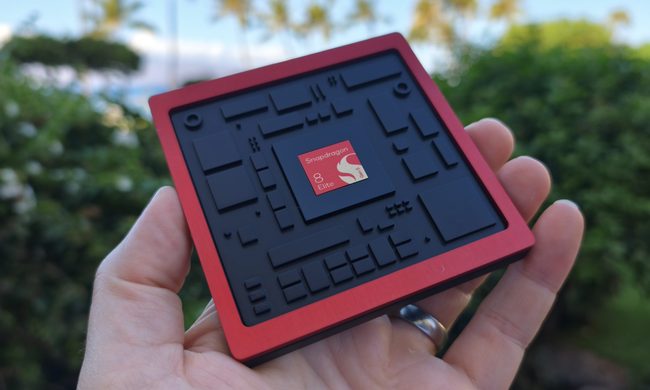
The new Qualcomm Snadragon 8 Elite Gen 5

If you were hoping your next Android phone might come with a friendlier price tag, you may want to temper your expectations. Qualcomm just confirmed it's raising chip prices starting September 1, and CEO Cristiano Amon didn't dress up the reason. "Cost went up, prices are going to go up," he told CNBC. Qualcomm chips power a huge share of the world's Android phones, so a hike at the source is likely to reach store shelves eventually.

Rising costs go beyond memory

Read more
Galaxy Z Fold 8 Ultra: Everything we know
Though it will feature improvements across the board, the memory crisis might not spare Samsung’s Fold 8 Ultra.
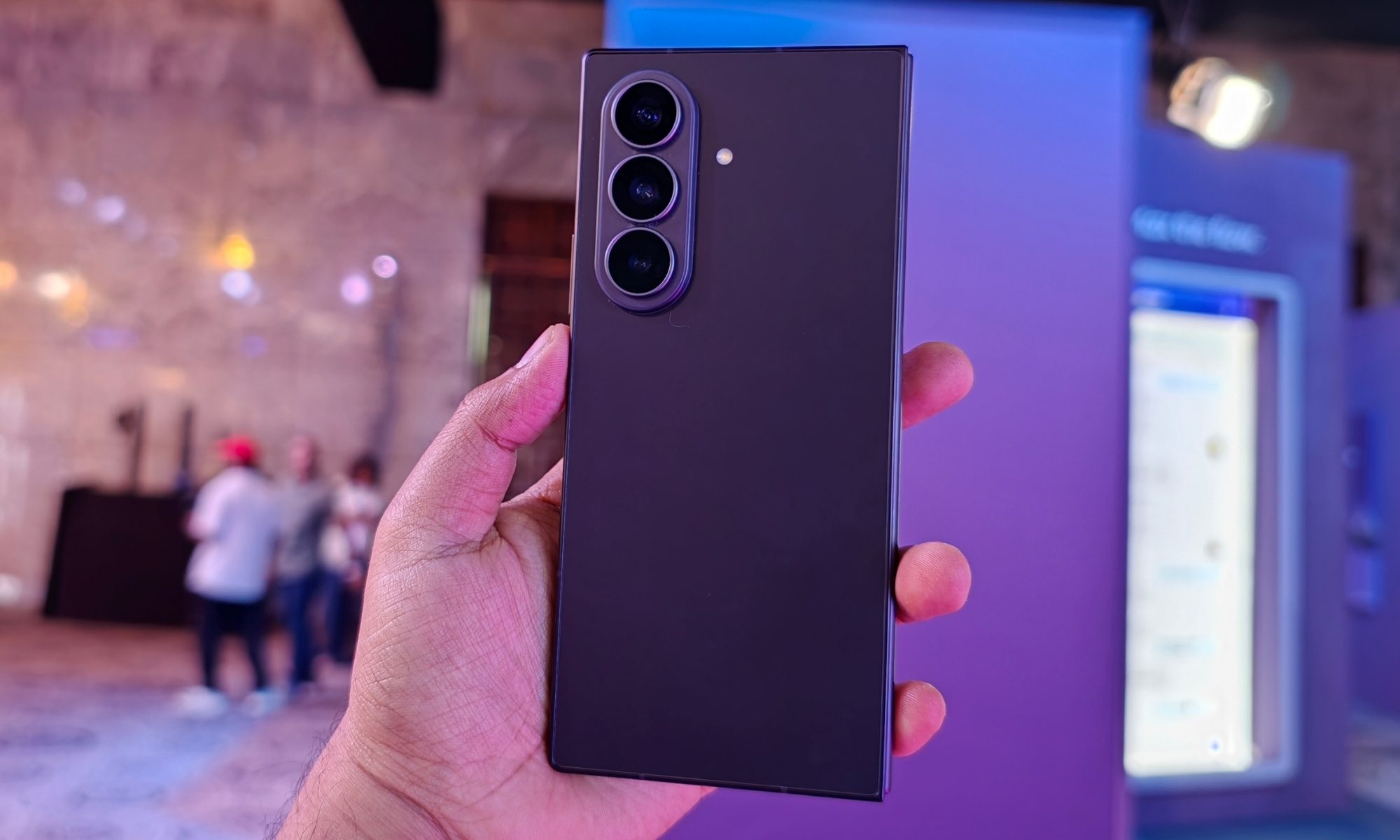
Samsung Galaxy Z Fold 8 Ultra

The Samsung Galaxy Z Fold 8 Ultra is not the phone that reimagines what a foldable looks like. That job belongs to its sibling, the wider-screen Galaxy Z Fold 8; the Ultra is the direct successor to the Galaxy Z Fold 7 instead. It carries forward the same tall, narrow design and the same book-style proportions, for the same audience.

If you've used a Samsung Galaxy Z Fold in the past and think that the shape is perfect for you, the Fold 8 Ultra is exactly the right phone for you. It has a sharper inner display, a substantially larger battery, faster charging, and Samsung's new Flex Titanium display structure, which is designed to minimize the crease that has troubled Samsung's foldables for years.

Read more