1. Home
  2. Emerging Tech
  3. News

Charge your devices simply by plugging them into your Radius backpack

Add as a preferred source on Google
Pauline van Dongen designs backpack from seamless "energy harvesting textile"

Charging your devices on the go could be as easy as putting them in your backpack. Dutch designer Pauline van Dongen has conceptualized and created a new pack that incorporates minuscule solar power beads, simplifying the recharging of smartphones tablets and other devices using the energy of the sun and a built-in cable.

Recommended Videos

Called the Radius backpack, this handy bag features a strap that incorporates the solar-powered charging technology. The harvested energy is then sent through the charging cable, where it subsequently re-juices whatever you choose to plug in. “From afar, [the strap] appears to blend with the knit of the top lid. But a closer look reveals how light breaks on a beaded surface,” van Dongen told Dezeen. “This magical material holds secret powers: each bead is a tiny spherical solar cell that is woven into the fabric, creating a unique energy harvesting textile.”

A single piece of fabric was used in the construction of the rest of the bag, making it quite the aesthetic marvel. The material in question is a double-layered jersey fabric, created by using different yarns and “data-driven knitting machines.” The material is patterned through and through with ridged lines and dots to give the bag more texture, and is in fact made using specialty yarns that claim to create various dimensions.

But it’s not all just for show — these varying dimensions claim to give way to extra padding on the backside and shoulder straps of the Radius, optimizing comfort levels for the wearer.

“Radius is constructed out of a single continuous knitted piece and tailored to explorers on a short escape,” van Dongen noted. “Specialty yarns, such as expansion yarns are mixed with high shrinking effects. This creates a variety of densities and give an additional structure and form to the engineered patterns. By utilizing the double jersey machine the material smoothly combines single layer fabric with double layer fabric.”

This isn’t the first time that the Dutch designer has brought together solar charging technology and fabric; in 2013, she created a capsule collection that featured solar-powered panels under cleverly-placed flaps to turn clothing into a portable phone charger.

It’s unclear if you can buy the Radius backpack, and if you can, how much it’ll cost. But it’s certainly an interesting concept that, fingers crossed, could one day go mainstream.


Lulu Chang
Fascinated by the effects of technology on human interaction, Lulu believes that if her parents can use your new app…
Yet another study says AI is bad for elections, and the rabbit hole gets worse
AI may be an election bomb waiting for someone to light the fuse
Voters cast their ballots on Election Day

Another election, another study has concluded that asking an AI chatbot for political guidance is a spectacularly bad idea. Research conducted during Hungary’s 2026 parliamentary election found that ChatGPT and Google Gemini offered not just inaccurate but also inconsistent and unreliable voting advice. The chatbots misclassified voter profiles, overlooked relevant parties, recommended parties absent from the ballot, and sometimes produced materially different answers when given the same information repeatedly.

AI keeps failing the voter test

Read more
Samsung’s humanoid robot ambitions are real, but factories come first
Samsung’s new robotics division has humanoids in its sights, although its immediate business is far more practical factory automation
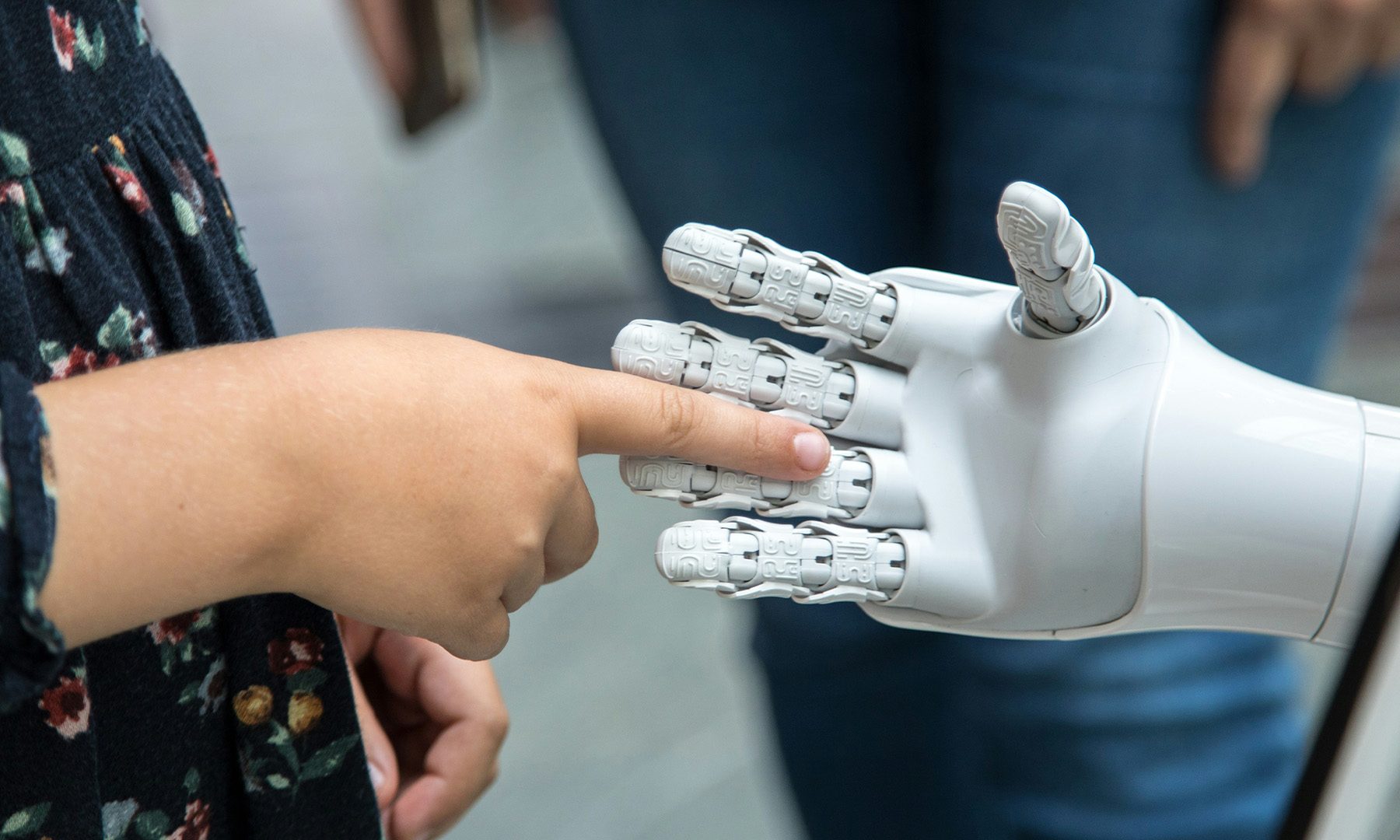
Robot Touch Human Finger

Samsung wants a place in the humanoid race, but its new robotics push begins with machines built for factories rather than homes.

The CEO-led RX robotics division will initially focus on manufacturing robots. Samsung has separately identified humanoids as a priority, although it hasn’t announced a commercial model or explained where one fits into the division’s immediate plans.

Read more
The future of AI may depend on this one behind-the-scenes change
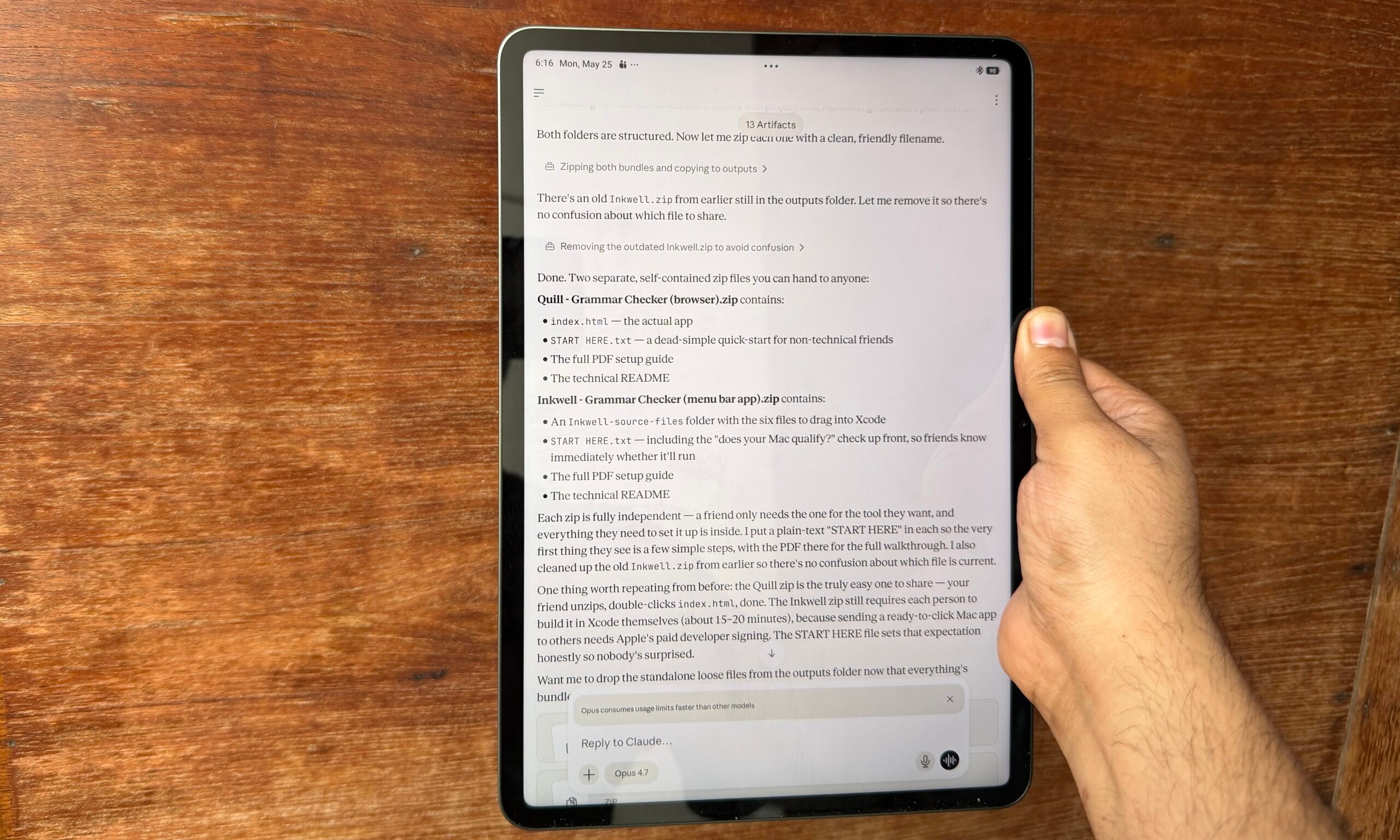
Running Claude on Android.

Whenever a new AI model arrives, it's easy to get caught up in the bells and whistles. We talk about how much smarter it is, how quickly it answers questions, or how realistic its images have become. But here's the thing: none of that matters much if the AI can't reliably work with the apps and services people use every day.

That's why an upcoming update to the Model Context Protocol (MCP) caught my attention. It isn't a new chatbot or a fancy AI model. In fact, most people will never even know it's happening. But it could quietly make the AI ecosystem a lot healthier. If you've never heard of MCP before, don't worry. Think of it as a shared language that lets AI assistants safely talk to apps like Gmail, Slack, calendars, databases, and countless other services. Instead of every company inventing its own way to make those connections, MCP gives everyone a common rulebook.

Read more