1. Home
  2. Phones
  3. Android
  4. Mobile
  5. News

Are they not picking up? Now you can leave a video message with Google Duo

Add as a preferred source on Google
Google Duo: Introducing video messages

Google is updating its video calling app, Google Duo, to make it a little more useful for situations in which you can’t reach the other person. Now, if you video call someone and they don’t pick up the phone, you have the option of leaving a video message — kind of like a video voicemail.

Recommended Videos

According to a blog post from Google, you will be able to leave messages of up to 30 seconds and once you’re done, you can send the message to the other party. They will then be able to see the message within the Google Duo app. If you get a video message for yourself, you will be able to play it back by simply tapping on their icon, after which you can tap the “Call Now” button to return their call.

The new feature is nice and while it doesn’t really change the core functionality of the app, it does mean that you will be able to share a moment with your friends and family regardless of whether or not they pick up the phone. Like standard Duo video calls, video messages are encrypted and secure.

The new feature will start rolling out to Duo users on both Android and iOS starting Tuesday, March 6, and Google says it will be available worldwide within a few days.

The new feature is nice, but not unexpected. 9to5Google found references to the video calling feature in a recent app teardown and even managed to activate it for itself. It also found a few other new features. For example, the website found a revamped screen-sharing interface, which involves a small pill-shaped interface that allows users to start screen-sharing, pause it, and then end it. Next up is “Guest Mode,” which the report found allows users to use Google Duo without an actual account. All the user would need is a phone number.

In general, we expect to see more features added to both Duo and Allo, Google’s text messaging service. We are not quite sure if the apps have been adopted as heavily as Google might have liked — Google launched countless messaging apps over the years and they haven’t all been popular.

Christian de Looper
Christian de Looper is a long-time freelance writer who has covered every facet of the consumer tech and electric vehicle…
Vibecoded apps are flooding Apple’s App Store, and users are getting sick of them
App Store submissions have doubled this year as AI tools make it easier than ever to build an app, but downloads haven't kept pace, and for good reason.
Apple App Store homepage on an iPhone

Apple's App Store is in the middle of its steepest submission surge in years. Developers submitted nearly 600,000 new apps last year, marking a 30 percent jump over the previous year. That number has already doubled to roughly 560,000 new apps in just the first six months of this year, according to estimates from analytics firm Sensor Tower cited by the New York Times. The reason behind the spike is vibecoding, which allows people with no prior development experience to create new apps using AI tools.

A familiar boom, with a twist

Read more
Google Photos adds a quick toggle between AI and classic search
Classic search is finally easier to reach for people who enabled Ask Photos
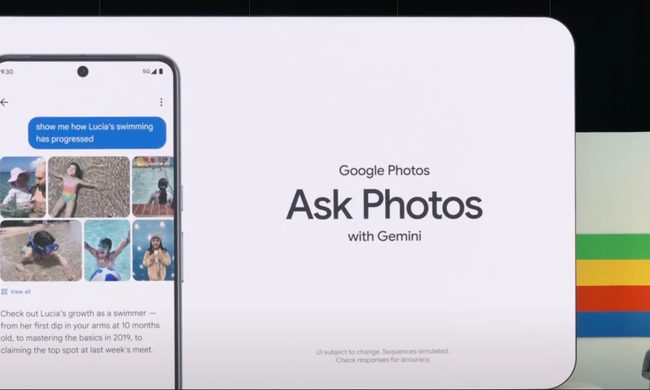
Google's Ask Photos debut.

Google Photos is giving users an easier way to leave its Gemini-powered search when a simple keyword would do. A new toggle now sits at the top of the results page, letting users switch between Ask Photos and classic search without digging through settings.

The change appears to address feedback from people who opted into Ask Photos but wanted a quicker way to return to classic search when Gemini was slower or less useful for a straightforward query.

Read more
Snapseed Camera now lets Android users save original photos and add geotags
Google updates Snapseed Camera with geotag support and non-destructive photo editing
Snapseed App

Google appears to be quietly turning Snapseed into something more than just a photo editing app. Over the past few weeks, the company has been steadily adding new capabilities to Snapseed Camera, its standalone camera app for Android. The latest update introduces two practical features that many smartphone users have come to expect from modern camera apps: the ability to save an untouched copy of every image for future editing and support for embedding location data directly into photos.

Neither feature is flashy, but together they make Snapseed Camera a more capable photography tool, particularly for users who like experimenting with filters without permanently altering their original shots. According to a report by 9to5Google, the features are rolling out with Snapseed Camera version 4.1.1.x on Android.

Read more