  1. Home
  2. Emerging Tech
  3. News

Gaia’s awe-inspiring new ‘galactic census’ star map contains 1.7 billion stars

Add as a preferred source on Google
gaia
ESA

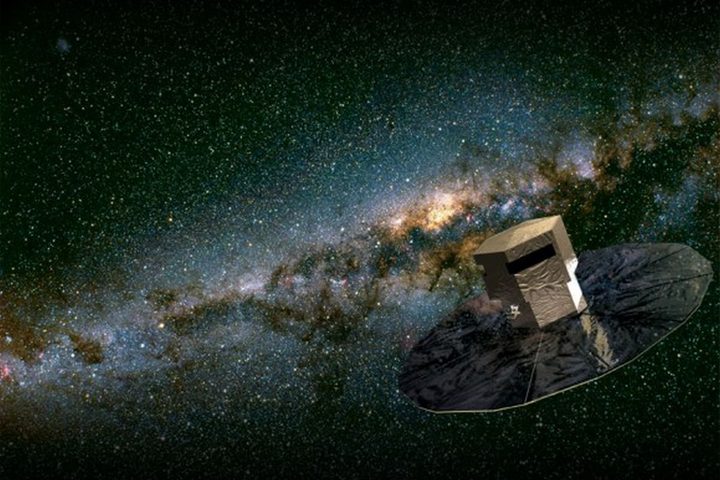
The European Space Agency’s  (ESA) Gaia space telescope and its one-billion-pixel camera was launched back in 2013 with the mission of mapping the Milky Way Galaxy. After more than a year of gathering data, the ESA released a star map in 2016 containing the position and brightness of millions of nearby stars.

The ESA just released its second “galactic census” after 22 months of observation, which includes detailed analysis of stellar objects up to 8,000 light-years away, including 1.7 billion stars both within our galaxy and beyond. More than just a map, the dataset includes brightness, location, and motions of more than a billion stars as well as more than 14,000 asteroids. The ESA equates the level of detail and precision in some of the measurements to being able to see a quarter on the surface of the moon.

Recommended Videos

“The sheer number of stars alone, with their positions and motions, would make Gaia’s new catalogue already quite astonishing,” said Dutch astronomer Anthony Brown. “But there is more: this unique scientific catalogue includes many other data types, with information about the properties of the stars and other celestial objects, making this release truly exceptional.”

For stars within a few thousand light-years, Gaia has provided their velocity in three dimensions, as well as the motions of stars within some globular clusters. This data gives insight into the formation and evolution of our galaxy and will further the quest for explanations of the elusive dark matter, which scientists still don’t fully understand.

360° view of Gaia's sky

This latest release also includes detailed virtual reality representations of the Milky Way. You can view it on a smart phone or laptop, but it’s best experienced with VR Cardboard. For a truly immersive experience, there’s also the GaiaVR app, which provides support for the HTC Vive headset.

Gaia Sky is a free real-time astronomy software package that runs on Windows, Mac, and Linux. It contains the data from Gaia’s second release, including visualizations of star clusters, distant galaxies, and quasars, as well as a simulation of our solar system. The Gaia Sky VR companion version supports multiple VR headsets through Valve OpenVR.

“Gaia is astronomy at its finest,” said Fred Jansen of the ESA. “Scientists will be busy with this data for many years, and we are ready to be surprised by the avalanche of discoveries that will unlock the secrets of our Galaxy.”


Mark Austin
Former Digital Trends Contributor
Mark’s first encounter with high-tech was a TRS-80. He spent 20 years working for Nintendo and Xbox as a writer and…
Yet another study says AI is bad for elections, and the rabbit hole gets worse
AI may be an election bomb waiting for someone to light the fuse
Voters cast their ballots on Election Day

Another election, another study has concluded that asking an AI chatbot for political guidance is a spectacularly bad idea. Research conducted during Hungary’s 2026 parliamentary election found that ChatGPT and Google Gemini offered not just inaccurate but also inconsistent and unreliable voting advice. The chatbots misclassified voter profiles, overlooked relevant parties, recommended parties absent from the ballot, and sometimes produced materially different answers when given the same information repeatedly.

AI keeps failing the voter test

Read more
Samsung’s humanoid robot ambitions are real, but factories come first
Samsung’s new robotics division has humanoids in its sights, although its immediate business is far more practical factory automation
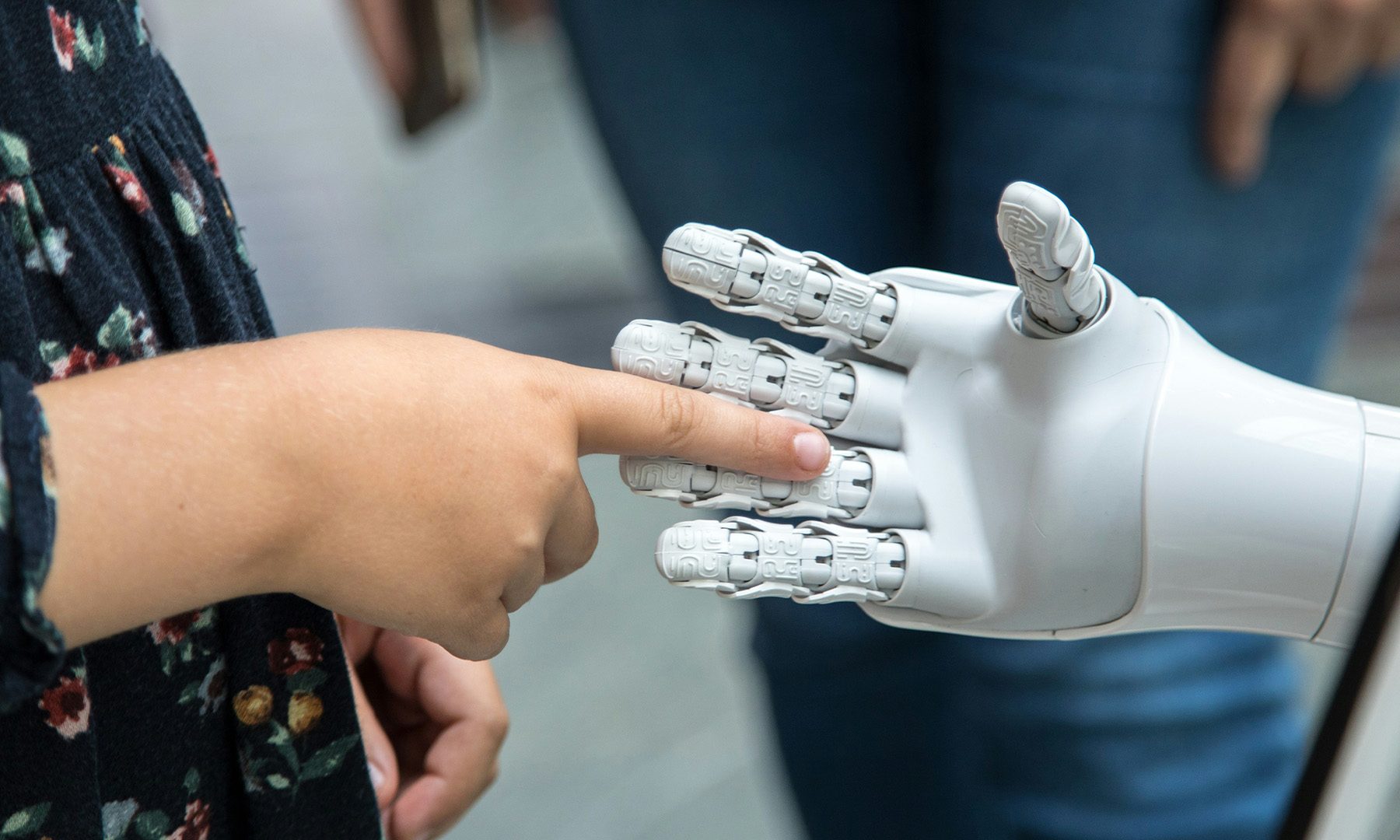
Robot Touch Human Finger

Samsung wants a place in the humanoid race, but its new robotics push begins with machines built for factories rather than homes.

The CEO-led RX robotics division will initially focus on manufacturing robots. Samsung has separately identified humanoids as a priority, although it hasn’t announced a commercial model or explained where one fits into the division’s immediate plans.

Read more
The future of AI may depend on this one behind-the-scenes change
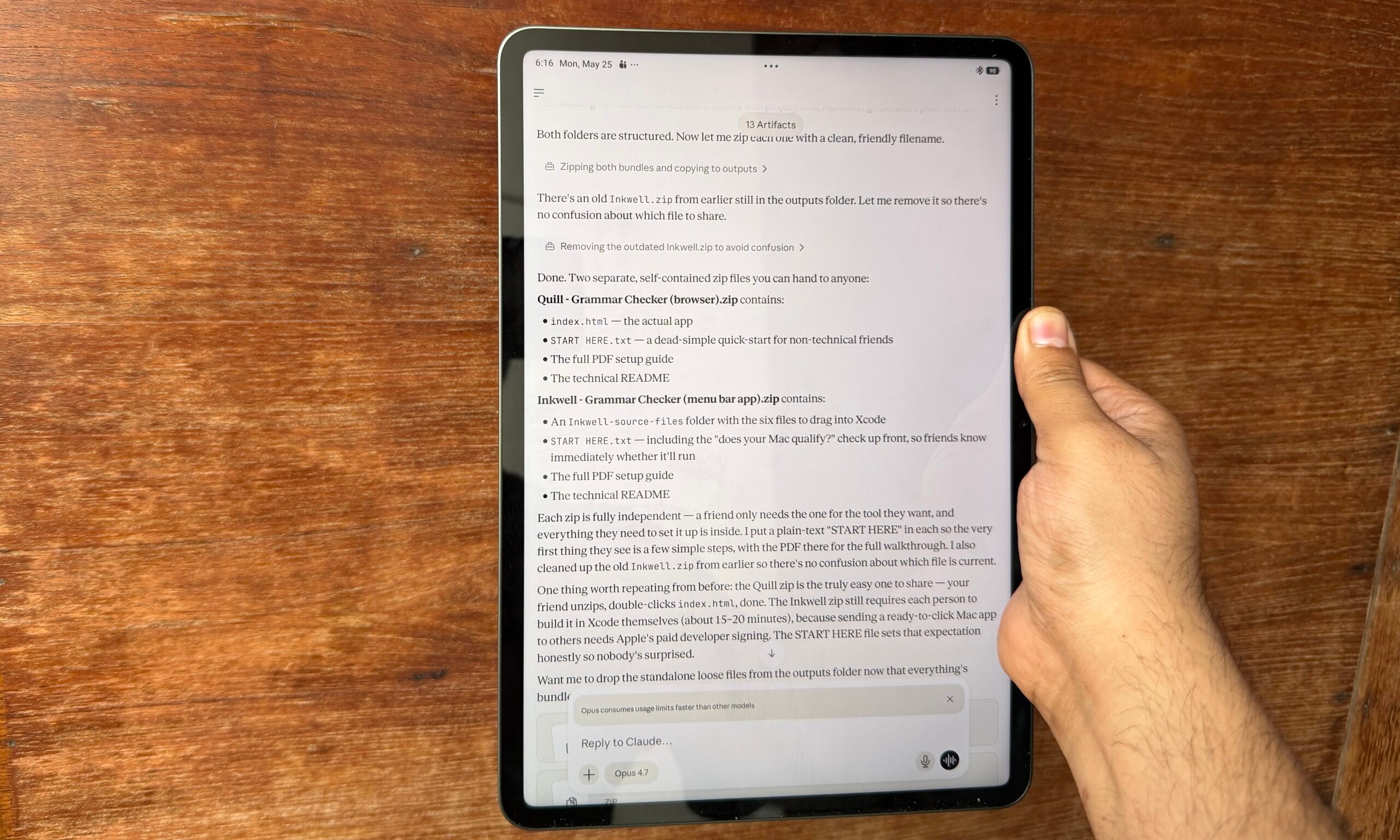
Running Claude on Android.

Whenever a new AI model arrives, it's easy to get caught up in the bells and whistles. We talk about how much smarter it is, how quickly it answers questions, or how realistic its images have become. But here's the thing: none of that matters much if the AI can't reliably work with the apps and services people use every day.

That's why an upcoming update to the Model Context Protocol (MCP) caught my attention. It isn't a new chatbot or a fancy AI model. In fact, most people will never even know it's happening. But it could quietly make the AI ecosystem a lot healthier. If you've never heard of MCP before, don't worry. Think of it as a shared language that lets AI assistants safely talk to apps like Gmail, Slack, calendars, databases, and countless other services. Instead of every company inventing its own way to make those connections, MCP gives everyone a common rulebook.

Read more