1. Home
  2. Computing
  3. News

Huawei’s MateBook D could be the new king of powerful budget laptops

Add as a preferred source on Google

As much as we love midrange laptops such as the Dell XPS 13, there are some fantastic offerings in the more budget-orientated space too. Take the new Walmart exclusive Huawei MateBook D, which combines a 1080p touchscreen with AMD Ryzen CPU and Vega graphics, all within a premium-feel aluminum chassis. Better yet, its battery is designed to charge up super fast, so you can get back to work or gaming in well under an hour.

Recommended Videos

At 3.5 pounds and just over a half-inch thick, the MateBook D is solidly built, compact machine with decent hardware under the hood. It sports a Ryzen 2500U chip which combines a quad-core Ryzen CPU with multithreading clocked at 3.4GHz, with an AMD Vega 8 graphics core. While not as powerful as desktop Ryzen accelerated processing units (APU) it should provide some decent general computing ability and the option to play basic games too.

In terms of memory and storage, the MateBook D comes with 8GB of DDR4 (the RAM sweet spot) and 256GB of solid-state storage. Combined with the CPU choice, this laptop should be impressively snappy for its price point.

Port selection gives a nod to the modern age of USB-C adoption with one of the reversible ports, but still provides plenty of legacy support with a USB-A 3.0 port and a USB-A 2.0 port. There’s also an HDMI output for those who like hooking up external displays and a standard headphone jack.

Huawei has fitted its new laptop with a great feature for heavy users — fast charging. The 57.4-watt-hour battery is said to last up to eight hours and is capable of charging from nothing to forty percent in just half an hour, so even if you have sporadic access to a power outlet, it won’t take long to get your system back up and running again.

The only downside to the launch of this new laptop is that it’s already out of stock online. While individual Walmarts may have additional stock, it appears the $30 discounted launch price of $600 was just too good to pass up for many.

For a look at some of our other favorite budget-conscious laptops, here’s our list of the best notebooks under $1,000 you can buy today.

Jon Martindale
Jon Martindale covers how to guides, best-of lists, and explainers to help everyone understand the hottest new hardware and…
TSMC might set up a price hike that could come straight for your next phone, laptop, or tablet
Here's what TSMC's rumored 10% chip price increase actually means in dollar terms, and why your next phone or laptop could end up costing more.
TSMC Fab

My wallet flinched the second I saw the words "TSMC" and "price increase" in the same headline, and honestly, yours should too.

Turns out the company behind the silicon powering basically every flagship device out there, including Apple’s A-series and Qualcomm’s Snapdragon processors, is reportedly about to make all of it a little pricier.

Read more
Apple fixes Hide My Email bug that exposed users’ real email addresses
Here's how Apple's Hide My Email flaw leaked real addresses for over a year, and why it only got fixed once the story went public.
apple-merging-sign-in-with-apple-hide-my-email-icloud+

Turns out the "Hide" part of Hide My Email wasn't doing its job quite as advertised, something that I covered early in July. Security researcher Tyler Murphy reported the flaw in June 2025, but despite Apple claiming it was resolved in March 2026, independent tests confirmed it remained exploitable, at least until July 3, 2026.

So how did this bug actually work?

Read more
Gemini Notebook’s new Collections arrive just as Google turns it into a bigger workspace
Google is cleaning up notebook organization as the former NotebookLM expands across Gemini and Search
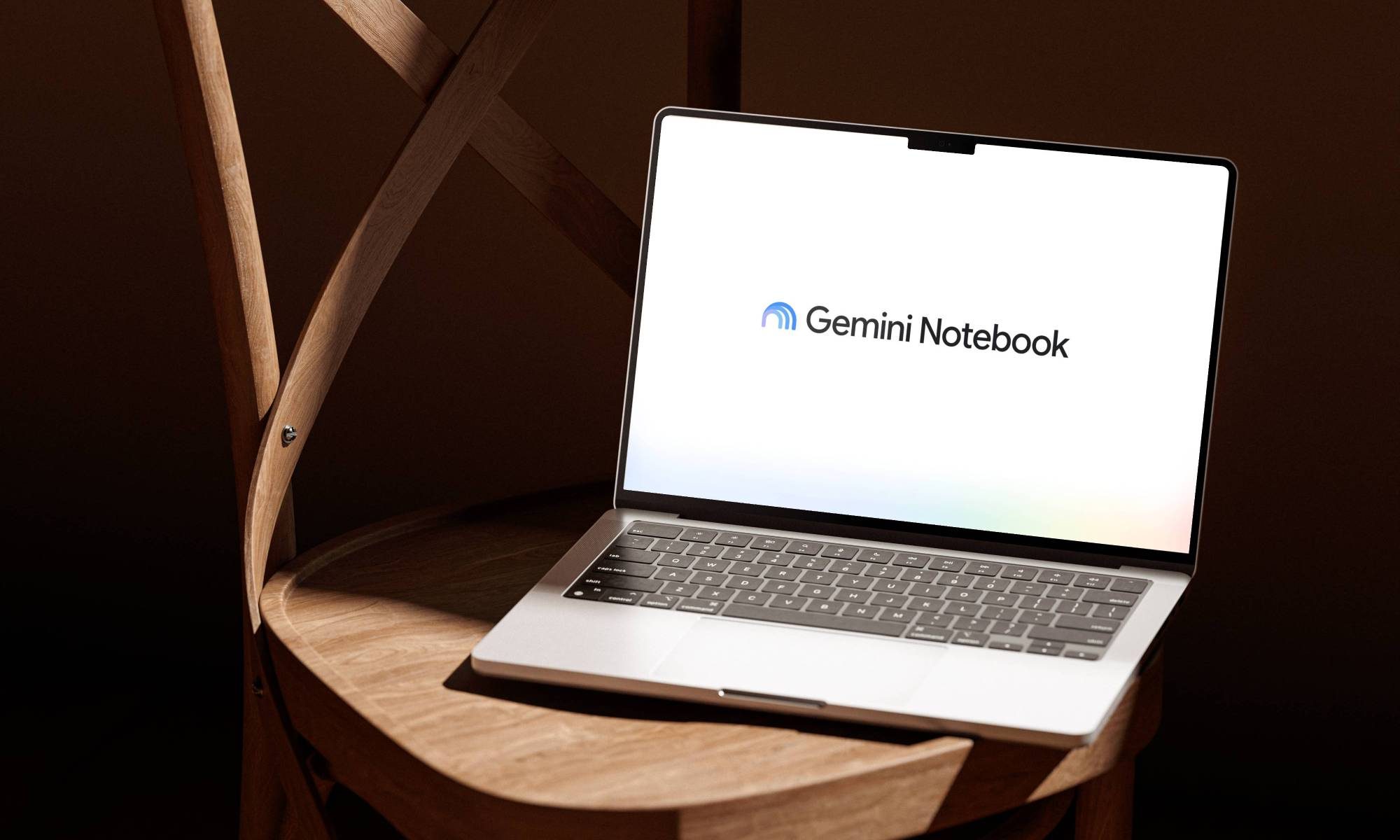
Gemini Notebook branding on a MacBook

Google has barely finished renaming NotebookLM, and it’s already addressing one of the headaches that comes with building a large research library.

Collections are rolling out to all Gemini Notebook users, giving them a way to group related notebooks while keeping everything visible under My Notebooks. The dashboard gets some structure without asking users to rearrange the library they’ve already built.

Read more