1. Home
  2. Cars
  3. News

Renault prepares to launch French autonomous mobility-service pilot program

Add as a preferred source on Google

French automaker Renault is preparing to launch a pilot public transportation program with self-driving cars in its home country. Cars will operate in the city of Rouen, in France’s Normandy region. Renault, which is very bullish on autonomous cars, is completing final testing and hopes to have the pilot service up and running by September. The program will through December 2019.

Recommended Videos

At launch, the pilot will include four Renault Zoe electric cars modified with autonomous-driving systems developed with help from partner company Transdev, and one i-Cristal autonomous shuttle vehicle, developed by Transdev and Lohr. The vehicles will operate on three routes covering a distance of 10 kilometers (6.2 miles),  in Rouen’s Technopôle du Madrillet business park, with 17 stops including one at a tram station.

Users will be able to hail one of the cars via an app, and the fleet will be monitored by a central dispatcher. If a problem occurs, the dispatcher will have the ability to “reduce the speed of vehicles or bring them to a halt,” according to a Renault press release. Renault also said that “audio and video communications between passengers and the control room will be possible at any time.” A human safety driver will be seated at the controls of each vehicle, with an engineer in the front or rear passenger seat to monitor operations.

Renault hopes to prove that autonomous cars and mobility services can complement an existing public transit system. Users will be able to connect to Rouen’s public transit system through a stop at the Technopôle tram station. But Renault expects its self-driving cars to fill in the gaps where public transit isn’t available. This so-called “last mile” use, getting passengers from a transit hub to their final destination, is often discussed as an important niche for mobility services. But the added convenience of these services means passengers may be tempted to use them in lieu of public transit for a full journey, where available.

Renault joins a long list of companies planning to use autonomous vehicles in mobility services. Earlier this week, May Mobility launched a pilot autonomous shuttle service in Detroit. Waymo plans to launch an autonomous ride-sharing service in Phoenix, Arizona, later this year, and a recent order for 62,000 Chrysler Pacifica minivans indicates it may soon expand elsewhere.

Update: Added confirmation that cars will operate with a human safety driver and engineer onboard

Stephen Edelstein
Stephen is a freelance automotive journalist covering all things cars. He likes anything with four wheels, from classic cars…
Two Indian automakers just beat Tesla at the one thing you’d expect it to own
Two Indian automakers, Tata Motors and Mahindra, just topped a global EV efficiency ranking ahead of Tesla and BYD.
Car, Suv, Transportation

I'll admit, Tesla topping an efficiency ranking felt like a foregone conclusion until I actually saw the numbers. Turns out two Indian automakers just embarrassed both Tesla and the world's biggest EV maker at their own game. 

The first time I read the report, I couldn’t believe it, and I’ve been following the Indian automobile industry for a couple of years now.  

Read more
BYD’s new Racco is Japan’s first electric kei car with over 300 km range
The Racco also undercuts Nissan's Sakura on price before taxes and incentives, which packing in features rarely seen in the kei car segment.
BYD Racco

BYD has entered the Japanese kei car market with the Racco, an electric car built specifically for the country's compact car segment. Its top trim delivers 320 km of range, making it the first compact electric car in the market to pass 300 km, according to ITHome.

Kei cars are a Japanese vehicle class with strict size and power limits, and the segment has long been dominated by domestic automakers such as Honda, Nissan, Suzuki, and Daihatsu. The Racco is BYD's first attempt to compete in that space.

Read more
Xiaomi’s sleek seven-seater SkyNomad EREV gets a specs reveal. It’s a template US carmakers must desperately follow
Xiaomi made a sedan first. Now it's coming for your family SUV too.
Skynomad

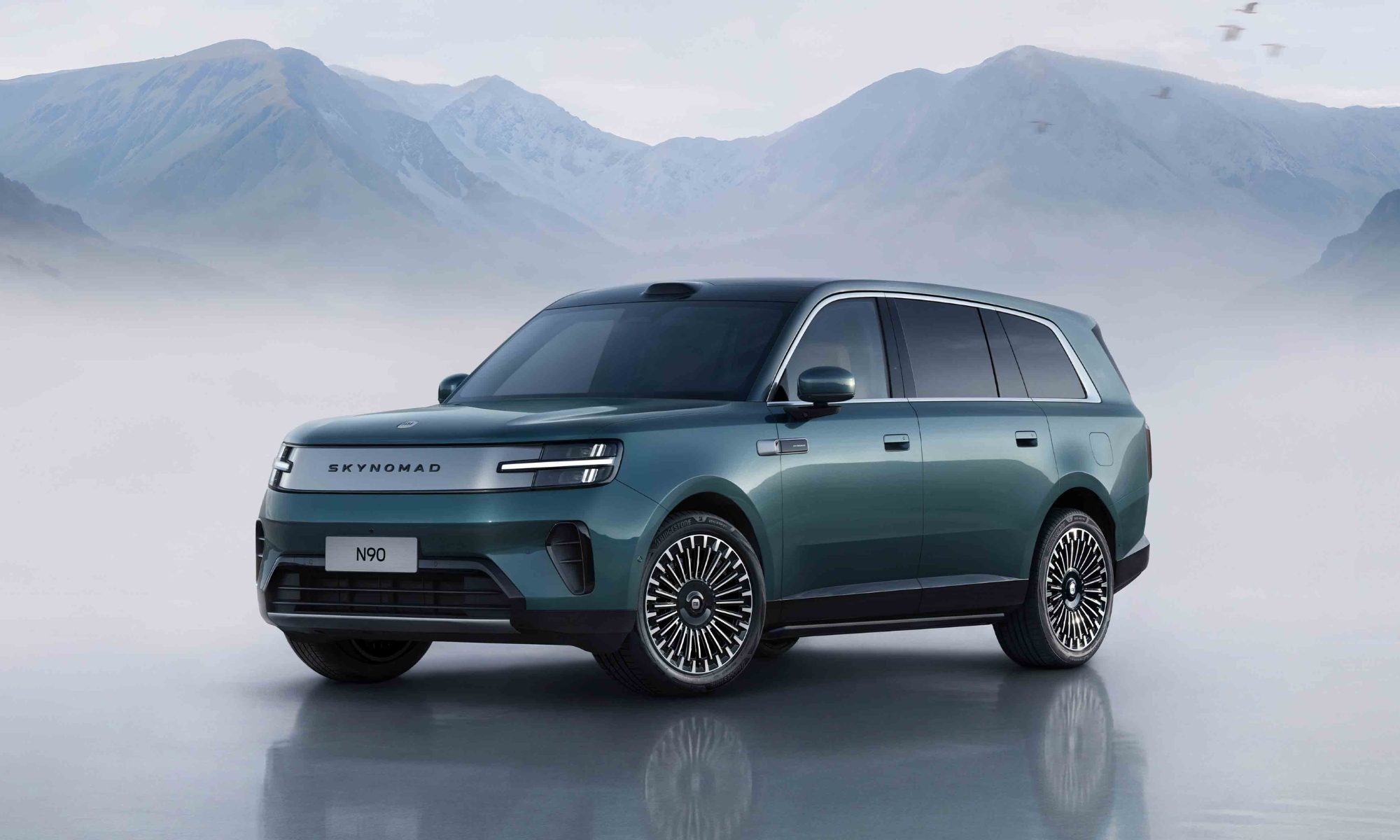
When Xiaomi entered the automotive industry, it did so with the all-electric SU7 sedan, then expanded into SUVs with the YU7. Its next move is taking the company into one of China's fastest-growing vehicle segments: extended-range electric SUVs (EREVs). Ahead of a technical presentation on July 30, Xiaomi has shared fresh details about its upcoming SkyNomad lineup via its Weibo channel, first spotted by CarNewsChina, revealing the new Kunlun range extender, fuel economy figures and testing progress.

At first glance, the SkyNomad N90's upright silhouette, squared-off proportions and premium detailing inevitably draw comparisons with the Range Rover. But mechanically, Xiaomi appears to be targeting a very different group of rivals. The company is entering a market currently dominated by Chinese brands such as Li Auto and Huawei-backed Aito, both of which have built successful businesses around extended-range SUVs that combine electric driving with the convenience of a gasoline-powered range extender.

Read more