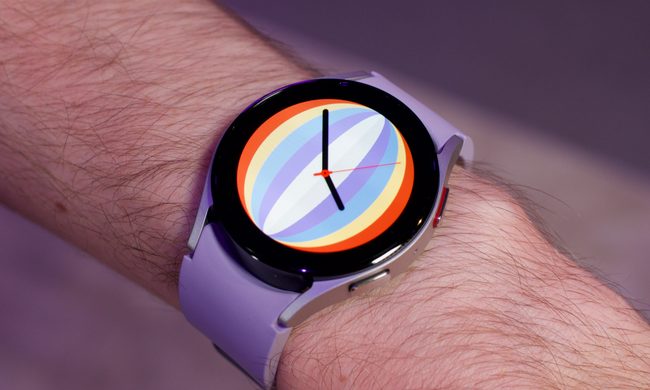
Newly proposed U.S. trade tariffs on $200 billion of goods made in China could result in price bumps for a wide range of electronic devices. Digital products currently on the list include the Apple Watch and specific Fitbit and Sonos models, Reuters reports.
The U.S. Customs and Border Patrol listed products affected by the trade tariffs. In each case, the agency determined the device fits within a specific product category included in the tariffs.
Products potentially subject to the tariffs include the original model Apple Watch; Fitbit Charge, Charge HR, and Surge activity trackers; and Sonos Play 3, Play:5, and Sub speakers.
Learn more: How tariffs hit your wallet
The tariff structure consists of thousands of code headings and subheadings. The Apple, Fitbit, and Sonos products listed by the Customs and Border Patrol are considered “data transmission machines” and will be subject to 10 percent tariffs if the proposal is approved, according to Reuters.
If you’re considering buying any of the listed products, the proposed tariffs could drive up their prices in two ways. In addition to the added tax, manufacturers may decide to cut back on production in the expectation of fewer sales due to inevitably higher prices. If the supply is cut back, the upward price pressure from limited availability could mean you pay more at checkout, despite lower demand, potentially leading to a spiral of escalating costs and rising demands.
Sonos mentioned higher product prices related to tariffs in a recent filing, Reuters reported. In the filing Sonos said, “the imposition of tariffs and other trade barriers, as well as retaliatory trade measures, could require us to raise the prices of our products and harm our sales.”
Products from other companies not listed publicly by the regulators could be subject to the tariffs. Apple, Fitbit, and Sonos asked for rulings on their devices, so the agency was required to make the call for the Apple Watch and other products. But it’s not a done deal that any of the products mentioned will be subject to tariffs, even assuming the tariffs are approved. Once a ruling places products on the list, companies can ask for exclusions, try to have the products classified differently, or make a case to have the specific code dropped from the proposed list.
Smartphones and laptop computers do not appear on any current or proposed lists of goods subject to trade tariffs. Other mobile devices that fall within U.S. tariff codes are vulnerable, however.
Other companies are responding to the higher prices and potentially shrinking demand caused by tariffs in other ways. Toyota may simply halt U.S. import of some models entirely, for example.
“If it winds up being 10 percent or 25 percent, almost on a series-by-series basis, we’ve got to evaluate what we’re going to do,” said Jim Lentz, chief executive officer for Toyota’s North American operations, in an interview with Bloomberg. “In some series, we may raise prices. On other series, we may stop imports — and then consumers will have less choice.”
With the current list of tariffs set to take effect just before or during the holiday buying season, buyers may be in for sticker shock.