1. Home
  2. Emerging Tech
  3. News

CRISPR gene editing creates cocaine-proof mice, aims to crack addiction puzzle

Add as a preferred source on Google

Gene editing has already given us malaria-resistant mosquitoes and heat-resistant cows. Now, researchers from the University of Chicago may have topped both of those feats with their latest creation: Cocaine-resistant mice. Using the CRISPR-based gene-editing platform to modify the DNA of skin cells, researchers Xiaoyang Wu and Ming Xu have been able not only to create mice that are less likely to seek out cocaine than their counterparts, but are also immune to cocaine overdoses that killed mice without the same CRISPR-edited cells.

The process builds on previous work involving a modified enzyme called butyrylcholinesterase (BCHE), which is capable of naturally breaking down cocaine very rapidly. Unfortunately, its short half-life makes it ineffective in a clinical scenario, since it disappears before it has any long-term impact on the body’s response to cocaine. BCHE cannot be administered orally, which makes it ill-suited for use as a potential treatment.

Recommended Videos

Wu and Xu have found a way around this by demonstrating that modified skin cells can secrete BCHE into the bloodstream over a long period of time. These skin cells can be applied in the form of a skin graft.

It is still early stages, but the work could have a profound impact on solving the problems caused by thousands of coked-up mice flooding the streets every Saturday night to throw crazy shapes on tiny dance floors, while talking rapidly about how freaking amazing cheese tastes.

Okay, so that’s not really what the researchers hope to solve. (I mean, if that was real, why would you want to stop it?) Instead, they believe their research could play a part in helping battle the effects of cocaine addiction in humans via a similar skin graft procedure.

“It will work, like in mice, by highly efficiently degrading cocaine as soon as it enters the blood circulation, so that little would reach the brain to produce consequences,” Wu told Digital Trends. “[As a result], drug naïve-subjects would not develop cocaine addiction, cocaine addicts would stop using cocaine, and there would be no cocaine-induced relapse in addicts.”

A paper describing the work was recently published in the journal Nature Biomedical Engineering.

Luke Dormehl
I'm a UK-based tech writer covering Cool Tech at Digital Trends. I've also written for Fast Company, Wired, the Guardian…
Yet another study says AI is bad for elections, and the rabbit hole gets worse
AI may be an election bomb waiting for someone to light the fuse
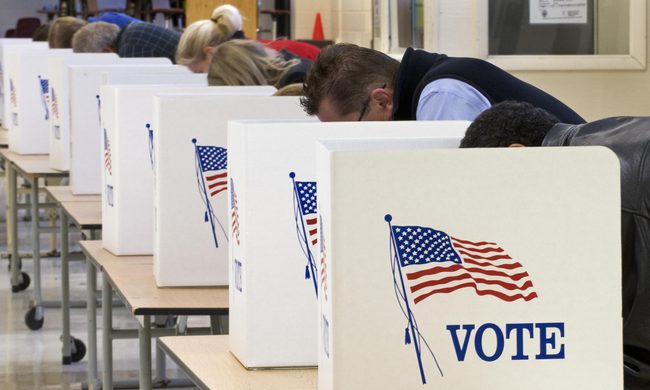
Voters cast their ballots on Election Day

Another election, another study has concluded that asking an AI chatbot for political guidance is a spectacularly bad idea. Research conducted during Hungary’s 2026 parliamentary election found that ChatGPT and Google Gemini offered not just inaccurate but also inconsistent and unreliable voting advice. The chatbots misclassified voter profiles, overlooked relevant parties, recommended parties absent from the ballot, and sometimes produced materially different answers when given the same information repeatedly.

AI keeps failing the voter test

Read more
Samsung’s humanoid robot ambitions are real, but factories come first
Samsung’s new robotics division has humanoids in its sights, although its immediate business is far more practical factory automation
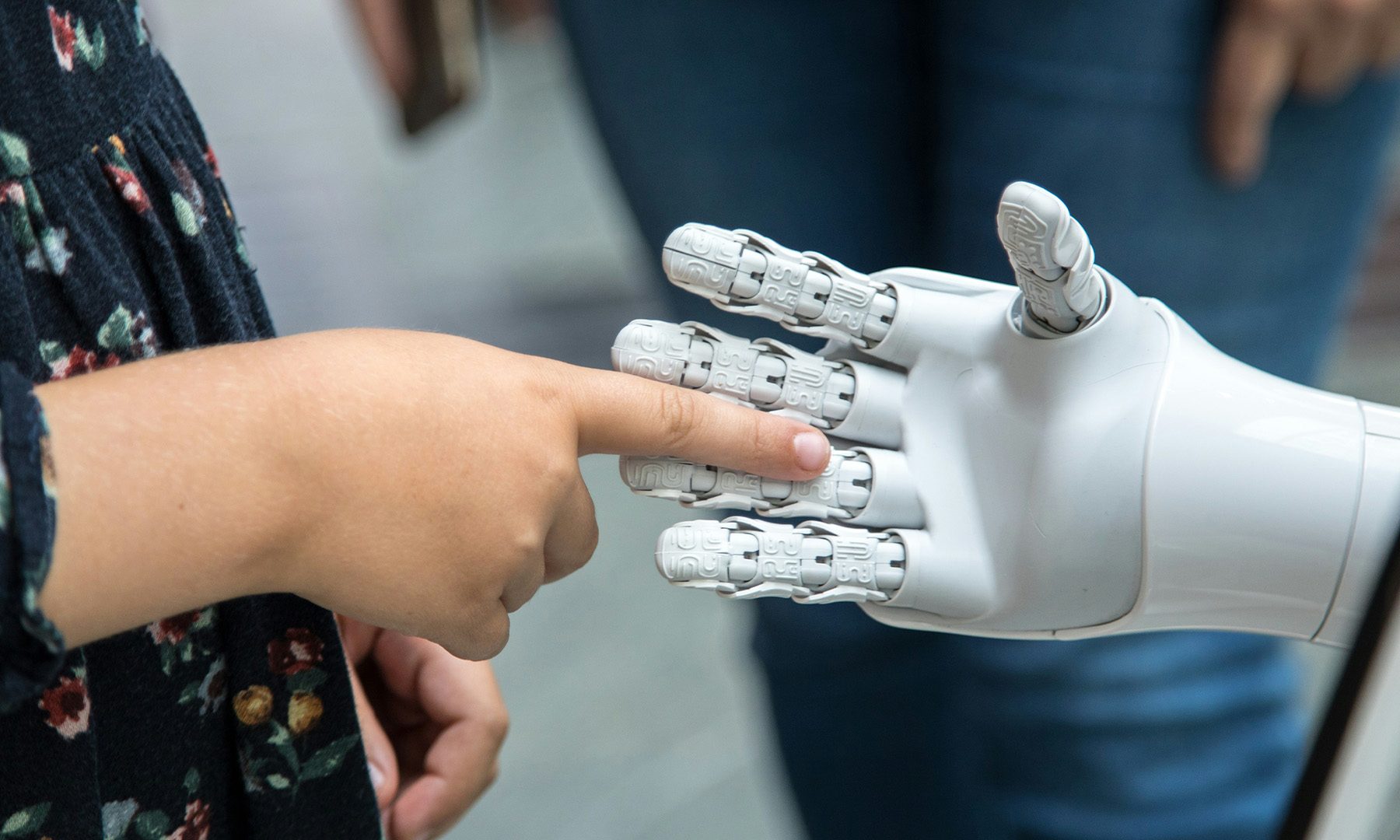
Robot Touch Human Finger

Samsung wants a place in the humanoid race, but its new robotics push begins with machines built for factories rather than homes.

The CEO-led RX robotics division will initially focus on manufacturing robots. Samsung has separately identified humanoids as a priority, although it hasn’t announced a commercial model or explained where one fits into the division’s immediate plans.

Read more
The future of AI may depend on this one behind-the-scenes change
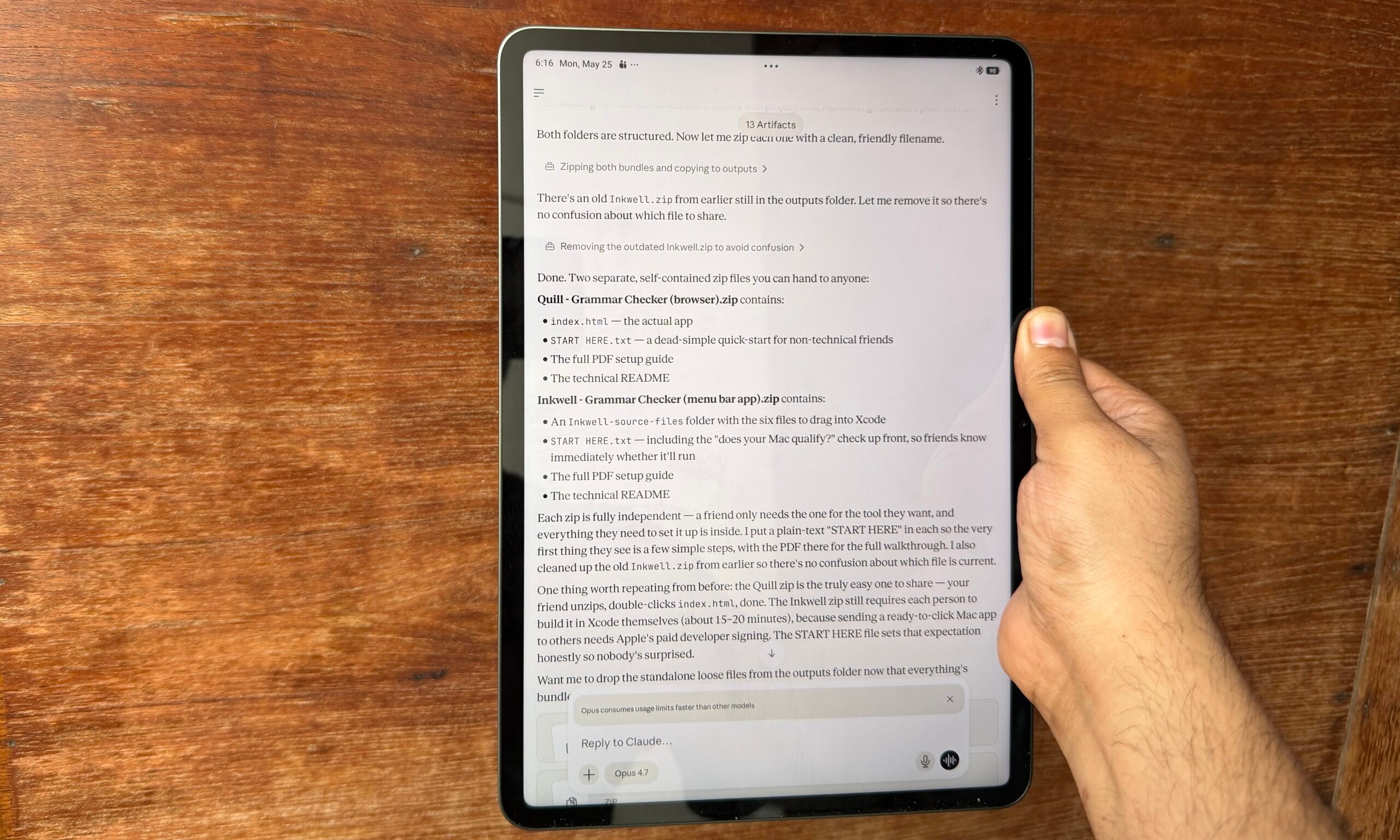
Running Claude on Android.

Whenever a new AI model arrives, it's easy to get caught up in the bells and whistles. We talk about how much smarter it is, how quickly it answers questions, or how realistic its images have become. But here's the thing: none of that matters much if the AI can't reliably work with the apps and services people use every day.

That's why an upcoming update to the Model Context Protocol (MCP) caught my attention. It isn't a new chatbot or a fancy AI model. In fact, most people will never even know it's happening. But it could quietly make the AI ecosystem a lot healthier. If you've never heard of MCP before, don't worry. Think of it as a shared language that lets AI assistants safely talk to apps like Gmail, Slack, calendars, databases, and countless other services. Instead of every company inventing its own way to make those connections, MCP gives everyone a common rulebook.

Read more