1. Home
  2. Emerging Tech
  3. Health & Fitness
  4. News

Editing mosquito DNA could help wipe out malaria and Zika — here’s how

Add as a preferred source on Google

From creating malaria-resistant mosquitoes to building “photonic fences” able to shoot down the blood-sucking insects with deadly lasers, there are a whole lot of exciting, cutting-edge ways that science is trying to deal with the mosquito problem. Researchers from the United Kingdom’s Imperial College London have developed a new, promising approach to add to the toolset: A “gene drive” which disseminates a genetic modification that stops female mosquitoes from reproducing.

“If this genetic modification can have the ability to incapacitate the female mosquito’s ability to reproduce it could be an incredibly powerful tool to suppress the mosquito population which transmits diseases, such as malaria, Zika, yellow fever, and so on,” Andrea Crisanti, professor of Molecular Parasitology at Imperial, told Digital Trends.

Recommended Videos

Gene drives are the name given to fragments of DNA that can be inserted into an organism’s chromosomes to trigger certain changes — in this case, stopping mosquitoes from reproducing. In a demonstration involving a caged population of Anopheles gambiae, the group of mosquito species which spread malaria, the gene drive was able to stop further reproduction after seven to 11 generations of mosquitoes. This marks the first time that scientists have been able to use genetic engineering to stop the reproductive capacity of complex organisms in a lab setting.

The gene drive technology alters a section of the doublesex gene, which triggers female development. Introduced in a small number of mosquitoes, the genetic modification is then spread through breeding. Males who carry the gene don’t show any overt changes, while females with just one copy of the modified gene are also outwardly unaffected. It is only when a female with two copies of the gene is born that the population crashes, as the female does not lay eggs or bite.

“With our previously available technology, it has been estimated that it would take something like 40 years to eliminate malaria from the world,” Crisanti continued. “This highlights the need to come up with alternative technologies.”

We’re still a way off from this approach being rolled out in the wild, but research such as this certainly holds an enormous amount of promise for the future.

A paper describing the work was recently published in the journal Nature Biotechnology.

Luke Dormehl
I'm a UK-based tech writer covering Cool Tech at Digital Trends. I've also written for Fast Company, Wired, the Guardian…
Yet another study says AI is bad for elections, and the rabbit hole gets worse
AI may be an election bomb waiting for someone to light the fuse
Voters cast their ballots on Election Day

Another election, another study has concluded that asking an AI chatbot for political guidance is a spectacularly bad idea. Research conducted during Hungary’s 2026 parliamentary election found that ChatGPT and Google Gemini offered not just inaccurate but also inconsistent and unreliable voting advice. The chatbots misclassified voter profiles, overlooked relevant parties, recommended parties absent from the ballot, and sometimes produced materially different answers when given the same information repeatedly.

AI keeps failing the voter test

Read more
Samsung’s humanoid robot ambitions are real, but factories come first
Samsung’s new robotics division has humanoids in its sights, although its immediate business is far more practical factory automation
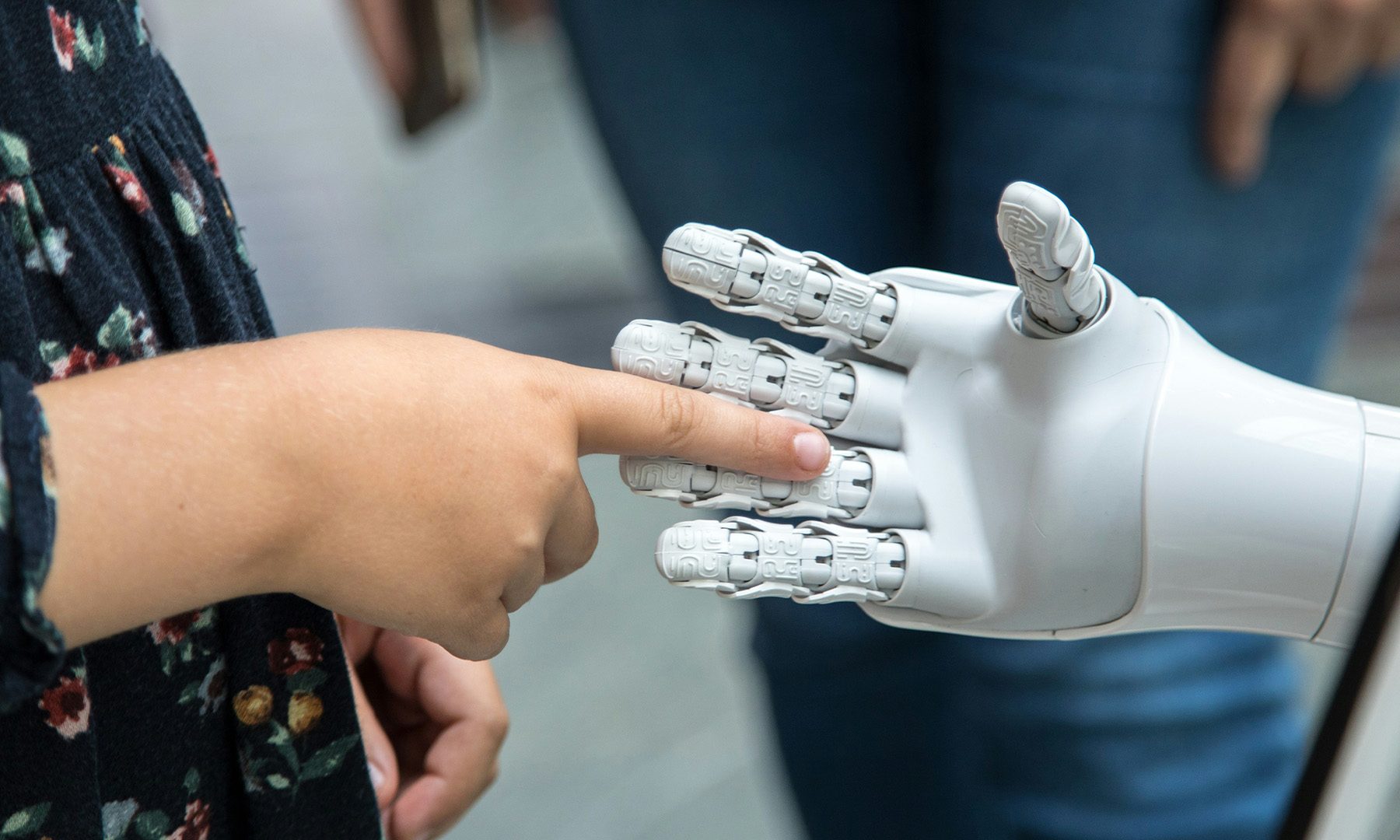
Robot Touch Human Finger

Samsung wants a place in the humanoid race, but its new robotics push begins with machines built for factories rather than homes.

The CEO-led RX robotics division will initially focus on manufacturing robots. Samsung has separately identified humanoids as a priority, although it hasn’t announced a commercial model or explained where one fits into the division’s immediate plans.

Read more
The future of AI may depend on this one behind-the-scenes change
Running Claude on Android.

Whenever a new AI model arrives, it's easy to get caught up in the bells and whistles. We talk about how much smarter it is, how quickly it answers questions, or how realistic its images have become. But here's the thing: none of that matters much if the AI can't reliably work with the apps and services people use every day.

That's why an upcoming update to the Model Context Protocol (MCP) caught my attention. It isn't a new chatbot or a fancy AI model. In fact, most people will never even know it's happening. But it could quietly make the AI ecosystem a lot healthier. If you've never heard of MCP before, don't worry. Think of it as a shared language that lets AI assistants safely talk to apps like Gmail, Slack, calendars, databases, and countless other services. Instead of every company inventing its own way to make those connections, MCP gives everyone a common rulebook.

Read more