1. Home
  2. Phones
  3. Emerging Tech
  4. Health & Fitness
  5. Mobile
  6. News

Drop that iPhone! Researchers suggest limiting kids’ screen time to 2 hours a day

Add as a preferred source on Google

Apple’s late co-founder and former CEO Steve Jobs controlled how much his kids used screen-based technology. So did Microsoft’s Bill Gates. But how much of our concern is well-founded, and what impact does screen usage really have on the younger generation? Researchers from Canada have attempted to answer that question with a recent analysis of lifestyle data from questionnaires by 4,520 American kids, ages 8 to 11. It concludes that, at least as far as good cognitive health may be concerned, parents may do well to limit their offspring to two hours of screen time per day, while ensuring that an additional hour is spent being physically active. That should all be topped off by a good night’s sleep of 9 to 11 hours.

“The main findings from this study were that, [firstly], children who met all three of the recommendations had significantly higher measures of cognition compared to children who did not meet any recommendations,” Jeremy Walsh of the Children’s Hospital of Eastern Ontario Research Institute in Ottowa, Canada, told Digital Trends. “[Secondly], meeting the sleep and screen or the screen-only recommendations had the strongest favorable relationship with cognition. [Finally], only 5 percent of the children in this sample met all three recommendations, whereas nearly 30 percent of the children did not meet any of the recommendations.”

Recommended Videos

The study isn’t perfect. Notably, it doesn’t break down what kids are doing with their screen time. There may be (and, we’d guess, probably is) a big difference between playing Call of Duty and using educational apps, but this is not examined by the researchers. Not yet, at least. “The next steps for this research will be to investigate the relationship between screen type and screen content — [for example] educational versus video game versus social media — in these children,” Walsh said.

Ultimately, this snapshot study is just one more piece in a much larger, more complex puzzle concerning the relationship between kids and technology. It’s by no means the definitive study, although conclusions like the ones reached by the researchers will certainly be helpful for later follow-up work. Now if you’ll excuse us, we’re off to get some exercise and an early night’s sleep!

A paper describing the study was recently published in The Lancet Child & Adolescent Health.

Luke Dormehl
I'm a UK-based tech writer covering Cool Tech at Digital Trends. I've also written for Fast Company, Wired, the Guardian…
Samsung’s new AI assistant wants to explain what your health data actually means
Your Galaxy Watch collects the clues. Samsung Health Assistant connects the dots.
Samsung Health data screen.

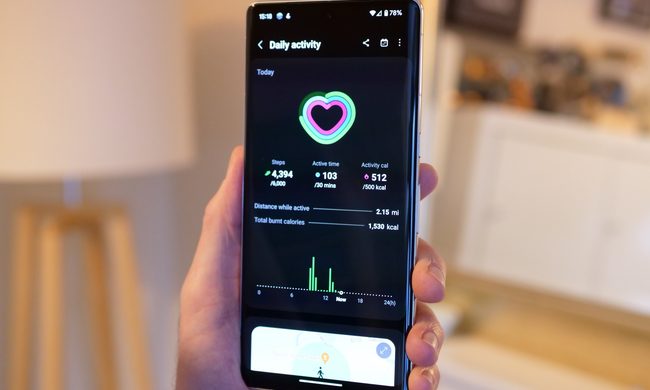
Samsung Health is getting smarter than ever before with its new AI assistant. The Samsung Health Assistant is now available in beta to eligible users in the United States. Built directly into Samsung Health, the conversational assistant can analyze information collected across the app and answer personalized questions about the user’s health and wellness.

Your health charts talk back now

Read more
Apple’s next big iPhone display experiment could be its biggest yet
The company may be testing a 6.96-inch panel for a future flagship, although one leaker’s post is currently the only source for the exact measurement
iPhone 17 Pro Max

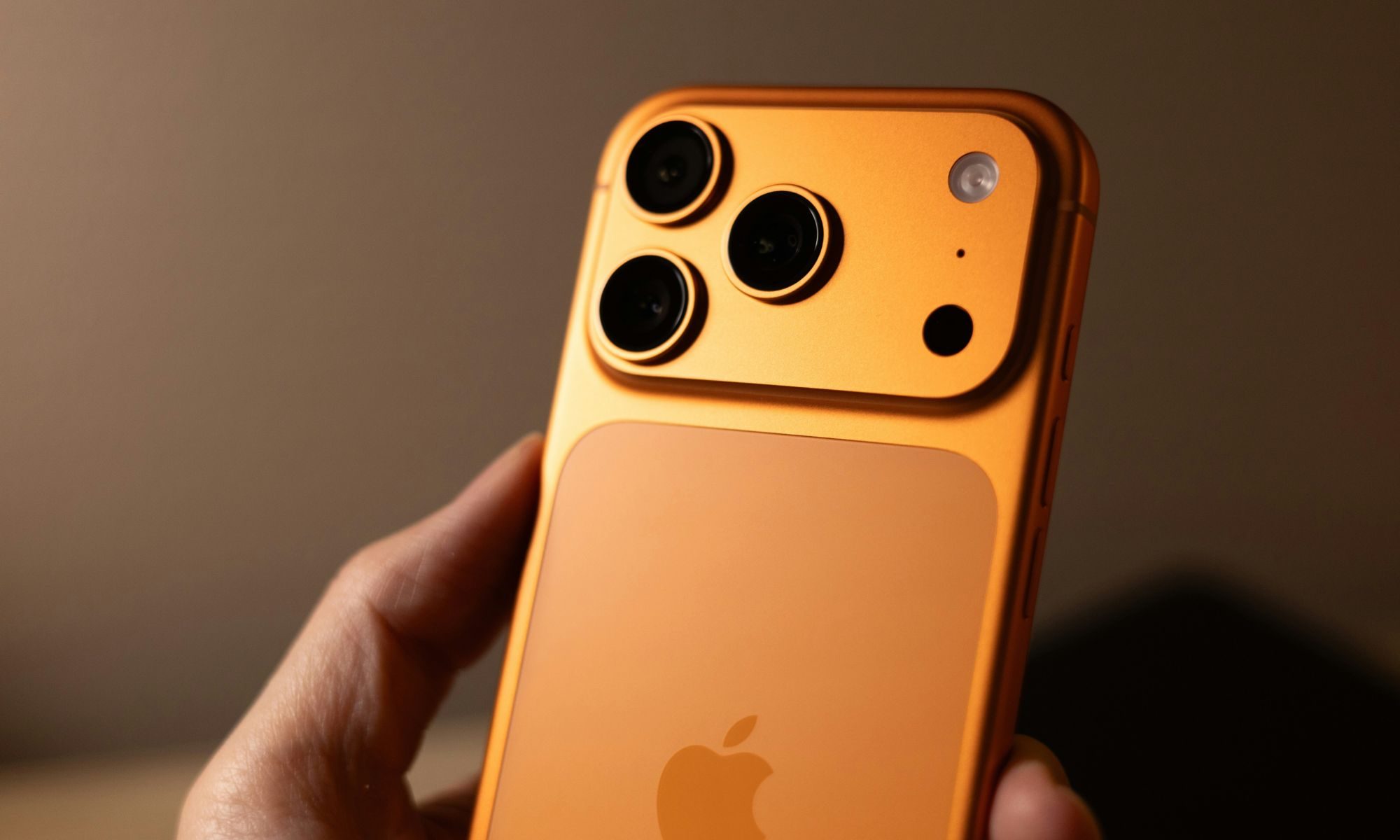
Apple may be testing a 6.96-inch display for a future iPhone, bringing its largest handset within a whisker of the 7-inch mark.

Leaker Digital Chat Station claims the experimental panel retains the same aspect ratio as Apple’s current Pro Max display. The post mentions the iPhone 20 Pro Max as a possible destination, but doesn’t connect the screen to a finished device. Apple could be exploring the size without putting it anywhere near a production line.

Read more
Vibecoded apps are flooding Apple’s App Store, and users are getting sick of them
App Store submissions have doubled this year as AI tools make it easier than ever to build an app, but downloads haven't kept pace, and for good reason.
Apple App Store homepage on an iPhone

Apple's App Store is in the middle of its steepest submission surge in years. Developers submitted nearly 600,000 new apps last year, marking a 30 percent jump over the previous year. That number has already doubled to roughly 560,000 new apps in just the first six months of this year, according to estimates from analytics firm Sensor Tower cited by the New York Times. The reason behind the spike is vibecoding, which allows people with no prior development experience to create new apps using AI tools.

A familiar boom, with a twist

Read more