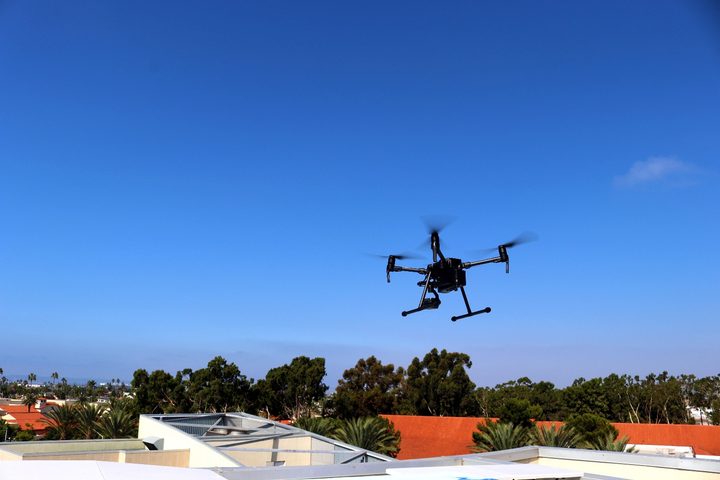
Here in 2019, drones are probably most associated with cool photography, drone racing, and the glittering promise of flying Amazon deliveries. But drones could have a role to play in law enforcement, too — and a new report suggests that these aerial robocops have a bright future ahead of them.
In a pilot study carried out by California’s Chula Vista Police Department and drone cloud platform Cape, police drones contributed to 20 arrests over a three-month period. Starting in October, drones were used as part of a program called DFR, short for Drone as a First Response. This program dispatched drones on more than 282 flights, during which the UAVs racked up some 62 hours of total flight time. The goal was to see how drones could be employed to offer real-time aerial data to police officers.
“After being launched from the roof of the CVPD headquarters to the scene, the designated pilot in the command center can control and manipulate the drone in order to gain the exact visibility needed,” Chris Rittler, CEO of Cape, told Digital Trends. “With the drone typically arriving on scene well before responding ground units, the command center can better identify and dispatch needed resources to the scene. Responding officers can also view the livestream en route to the scene on their mobile devices, giving them full visibility of the situation they are walking into.”
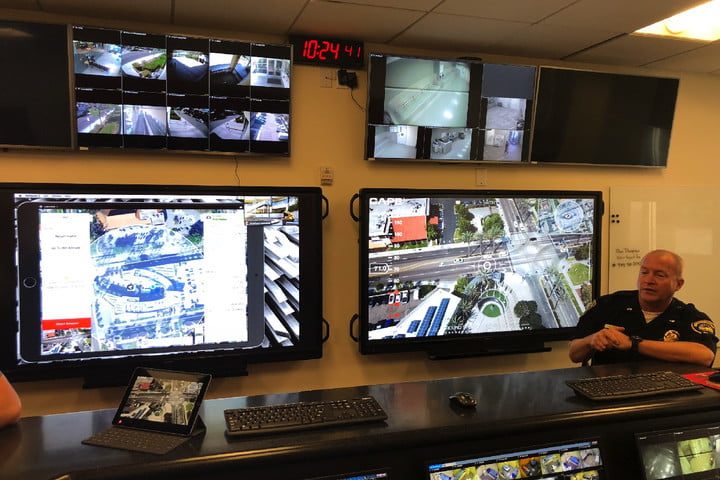
The drones, equipped with Cape’s Aerial Telepresence software, were dispatched to high-priority calls within a one-mile radius of the Chula Vista Police Department headquarters. These incidents included crimes in progress, fires, traffic incidents, and reports of dangerous subjects. In one instance, the drone was used in the arrest of a suspect carrying a deadly weapon.
With the study’s success, the drones are currently being used as active responders for upward of 10 hours per day, four days per week. Over time, the plan is for this number to increase. The CVPD is also expanding its DFR program beyond the one-mile radius, thereby unlocking additional potential impact for the program.
“Recent national data from Cape showed 71 percent of people support law enforcement using drones in their communities, and 62 percent would feel safer in their communities if drones were used,” Rittler continued. “With recent FAA proposals promising to potentially reduce regulatory challenges, we’ll also see drones leveraged for additional use cases in public safety — including improving security at large public events, from sporting events to concerts to seasonal events like the New Year’s Eve ball drop in New York City.”