  1. Home
  2. Emerging Tech
  3. News

A lunar time capsule: 50-year-old moon rock samples to be opened for study

Add as a preferred source on Google

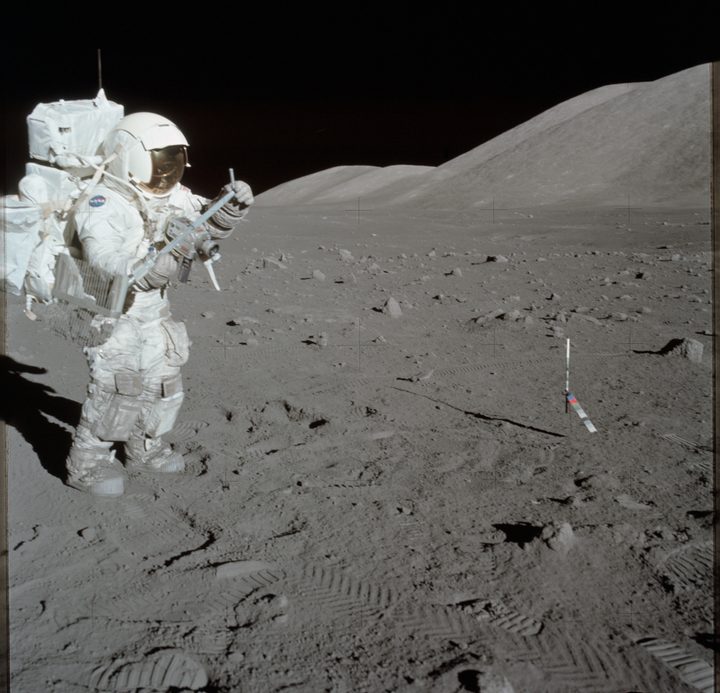
11 December 1972 — Scientist-astronaut Harrison H. Schmitt collects lunar rake samples at Station 1 during the first Apollo 17 extravehicular activity (EVA) at the Taurus-Littrow landing site. Schmitt is the lunar module pilot. The Lunar Rake, an Apollo Lunar Geology Hand Tool, is used to collect discrete samples of rocks and rock chips ranging in size from one-half inch (1.3 cm) to one inch (2.5 cm). Eugene A. Cernan, Apollo 17 Commander

Nearly 50 years after the Apollo missions to the Moon, NASA is breaking open samples of Moon rock for the first time. Samples collected from Apollo missions 15, 16, and 17 (launched in July 1971, April 1972, and December 1972 respectively) have been preserved and never before exposed to Earth’s atmosphere, making them invaluable resources for understanding the geology of the Moon.

Recommended Videos

Nine teams have been selected to study the samples, with the hope that developments in analysis techniques and further understanding of the lunar environment will enable discoveries which were not possible at the time of the original missions.

“By studying these precious lunar samples for the first time, a new generation of scientists will help advance our understanding of our lunar neighbor and prepare for the next era of exploration of the Moon and beyond, “ Thomas Zurbuchen, Associate Administrator for NASA’s Science Mission Directorate in Washington, DC, said in a statement. “This exploration will bring with it new and unique samples into the best labs right here on Earth.”

Some of the samples were brought back to Earth in vacuum-sealed packages to protect them from degradation in Earth’s atmosphere. A typical sample is 800 grams (1.8 pounds) of rock collected from beneath the Moon’s surface on the Apollo 17 mission, which is still enclosed in the “drive tube” that was pushed into the lunar soil to collect a core sample. This means scientists can see the layers of rock beneath the surface, exactly as they were in place on the Moon.

Other samples were preserved by freezing them or storing them in helium to prevent chemical reactions. The teams won’t open the samples right away, as it will take time to figure out how to open them without causing any kind of contamination.

NASA scientists today applaud the foresight of preserving these samples: “Returned samples are an investment in the future,” Lori Glaze, acting director of NASA’s Planetary Science Division in Washington, DC, said in the same statement. “These samples were deliberately saved so we can take advantage of today’s more advanced and sophisticated technology to answer questions we didn’t know we needed to ask.”

Georgina Torbet
Georgina has been the space writer at Digital Trends space writer for six years, covering human space exploration, planetary…
You can now buy a computer mouse controlled entirely by your tongue
Augmental has opened public sales of the MouthPad, and introduced a new wearable that lets you type hands-free.
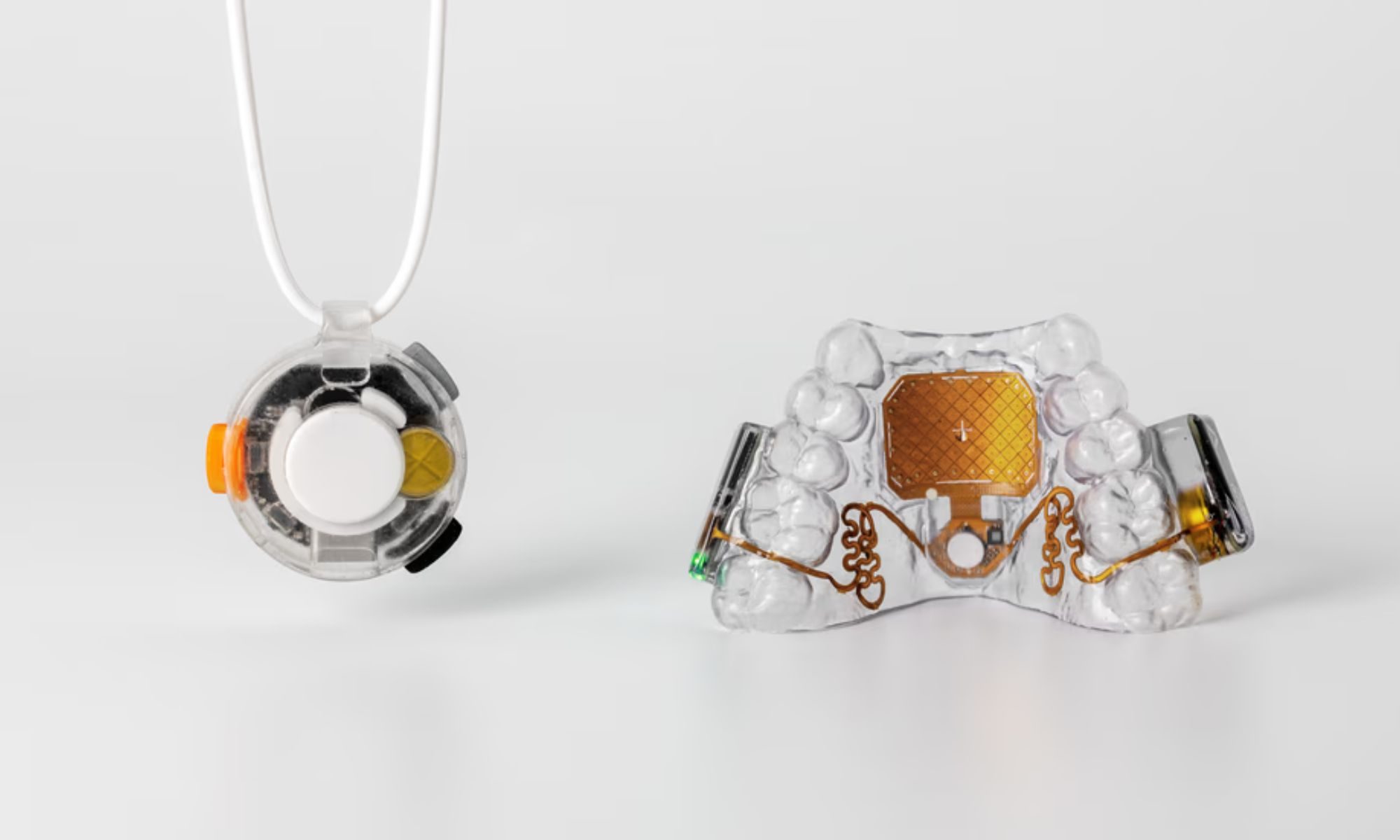
Augmental MouthPad and Vox featured

Augmental first showed off its tongue-controlled MouthPad as a CES curiosity in 2024. Today, the device is a real product you can buy, with the company opening public US sales alongside a beta release of Vox, a companion wearable built to handle the typing half of Augmental's hands-free computing promise.

A retainer that doubles as a mouse

Read more
Yet another study says AI is bad for elections, and the rabbit hole gets worse
AI may be an election bomb waiting for someone to light the fuse
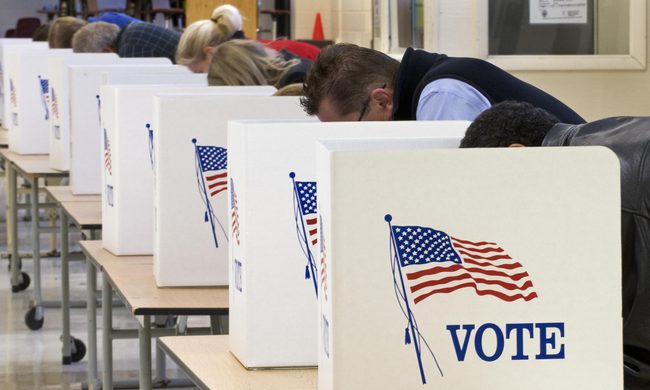
Voters cast their ballots on Election Day

Another election, another study has concluded that asking an AI chatbot for political guidance is a spectacularly bad idea. Research conducted during Hungary’s 2026 parliamentary election found that ChatGPT and Google Gemini offered not just inaccurate but also inconsistent and unreliable voting advice. The chatbots misclassified voter profiles, overlooked relevant parties, recommended parties absent from the ballot, and sometimes produced materially different answers when given the same information repeatedly.

AI keeps failing the voter test

Read more
Samsung’s humanoid robot ambitions are real, but factories come first
Samsung’s new robotics division has humanoids in its sights, although its immediate business is far more practical factory automation
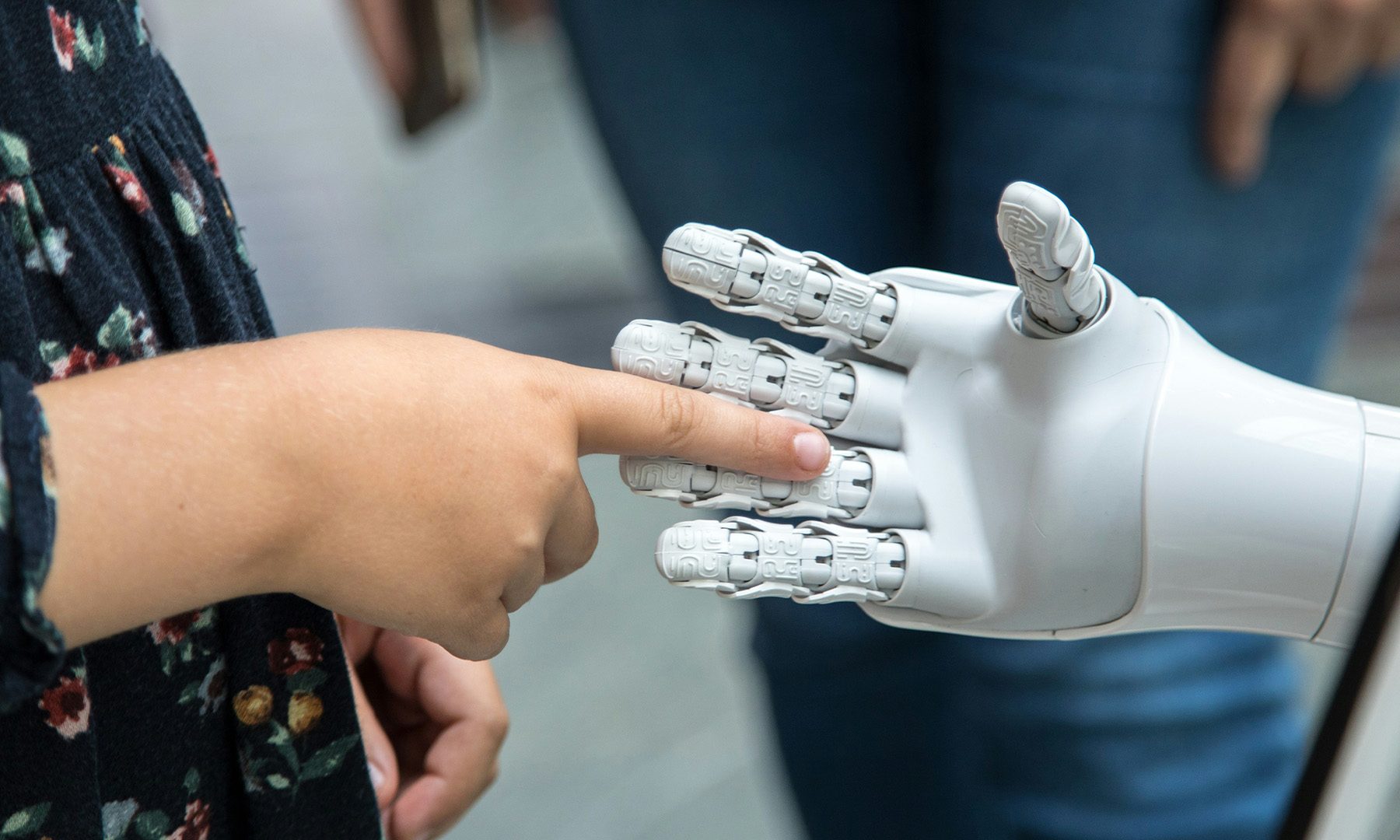
Robot Touch Human Finger

Samsung wants a place in the humanoid race, but its new robotics push begins with machines built for factories rather than homes.

The CEO-led RX robotics division will initially focus on manufacturing robots. Samsung has separately identified humanoids as a priority, although it hasn’t announced a commercial model or explained where one fits into the division’s immediate plans.

Read more