1. Home
  2. Computing
  3. News

Microsoft Surface Pro 6, Surface Book 2 throttled to 400 MHz by safety feature

Add as a preferred source on Google
This story is part of our complete Microsoft Events coverage

Numerous complaints have flagged throttling issues with a pair of Microsoft Surface devices that are significantly slowing them down.

Surface Pro 6 and Surface Book 2 devices are being throttled down to Pentium 2 speeds of 400 MHz, according to TechRepublic, with an increase in the frequency of reports after a firmware update was released for the Surface Pro 6.

Recommended Videos

The Surface Pro 6 runs at a minimum of 1.6 GHz while the Surface Book 2, which received an upgraded processor earlier this year, goes at 1.7 GHz. The throttling issue limits the devices to about a quarter of their processing speed, for a massive drop in performance that their owners will surely notice.

The problem is apparently due to an Intel CPU flag named BD PROCHOT, which stands for bi-directional process hot. The safety feature is designed to keep systems from overheating. It can be set by any peripheral and may kick in even if the CPU is within its temperature limits if another component is becoming too hot.

Some owners of the Microsoft Surface devices said that removing the devices from their docks or AC adapters fixes the throttling problem, while some claim that the issue is caused by third-party antivirus software. However, there are some reports that even rebooting the systems do not set the processor speeds back to normal.

The BD PROCHOT flag is not new and is not unique to the SurfacePro 6 and Surface Book 2. However, the increasing number of reports, as well as the recent firmware update, suggests at least a correlation between the feature and the affected 2-in-1 Surface devices, according to Tech Republic.

Fortunately, Microsoft is aware of the throttling problem.

“We are aware of some customers reporting a scenario with their Surface Books where CPU speeds are slowed,” a spokesperson for Microsoft told TechRepublic. “We are quickly working to address via a firmware update.”

The true reason behind the throttling remains unconfirmed, and Microsoft has not shared the timeline for the release of the firmware update that will address the problem. In the meantime, affected Surface Pro 6 and Surface Book 2 owners may try the suggested solutions while waiting for the fix.

Aaron Mamiit
Aaron received an NES and a copy of Super Mario Bros. for Christmas when he was four years old, and he has been fascinated…
Lenovo’s new gaming laptop is the first to feature a 240Hz inkjet-printed OLED display
TCL’s inkjet-printed OLED technology finally reaches a commercial laptop through Lenovo
Computer, Electronics, Laptop

TCL has spent years saying inkjet-printed OLED could improve image quality, efficiency, lifespan, and manufacturing costs. Back in 2024, the company was still showing prototype laptop panels and promising a “comprehensive breakthrough” once the technology was ready for commercial products.

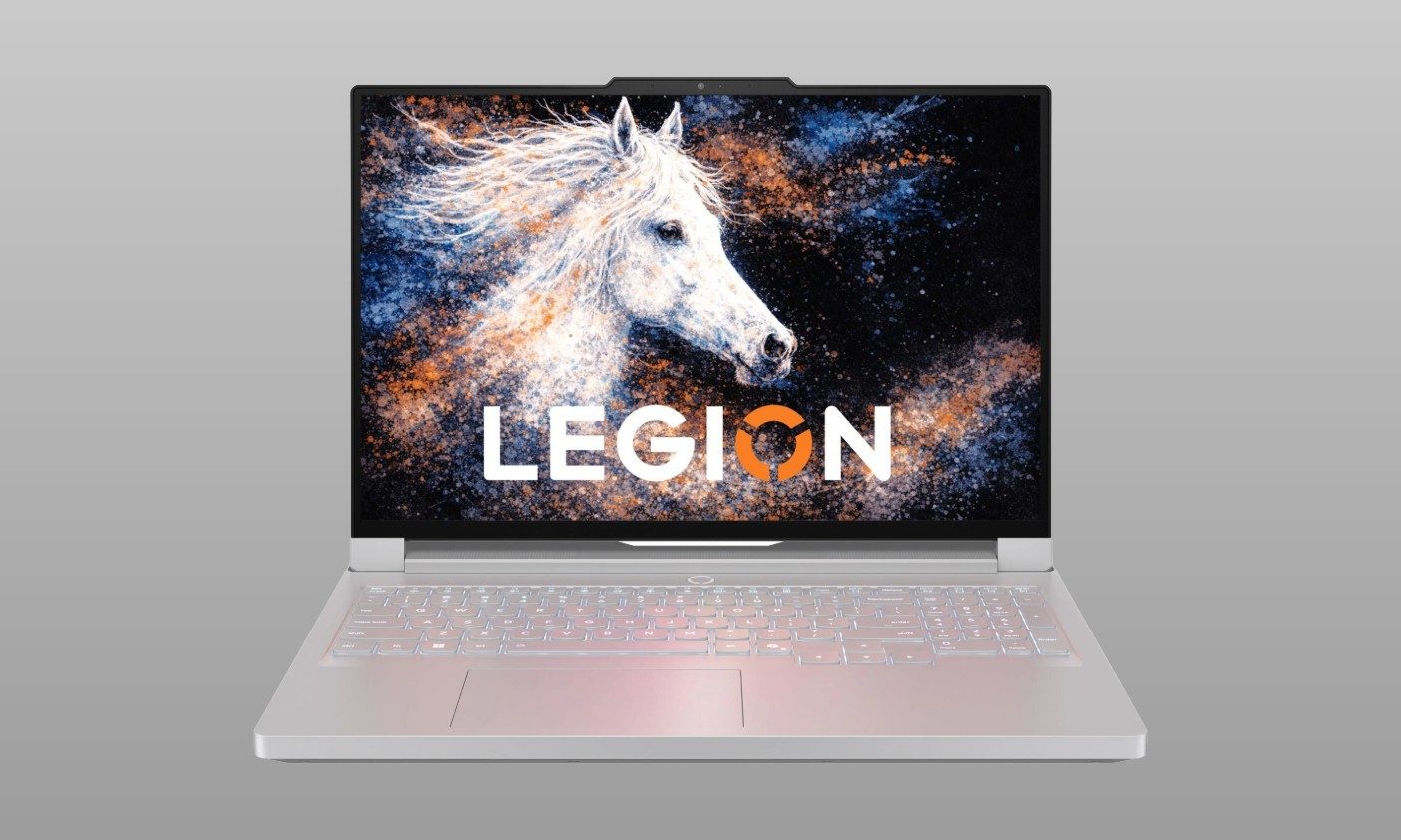
Two years later, it has finally arrived in a gaming laptop. Lenovo’s new Legion R9000P uses a 16-inch panel that TCL CSOT describes as the world’s first inkjet-printed OLED display integrated into a laptop.

Read more
This new Mac malware won’t let you use your computer until you surrender your password
This Mac malware turns your own computer against you
AI Generated Image

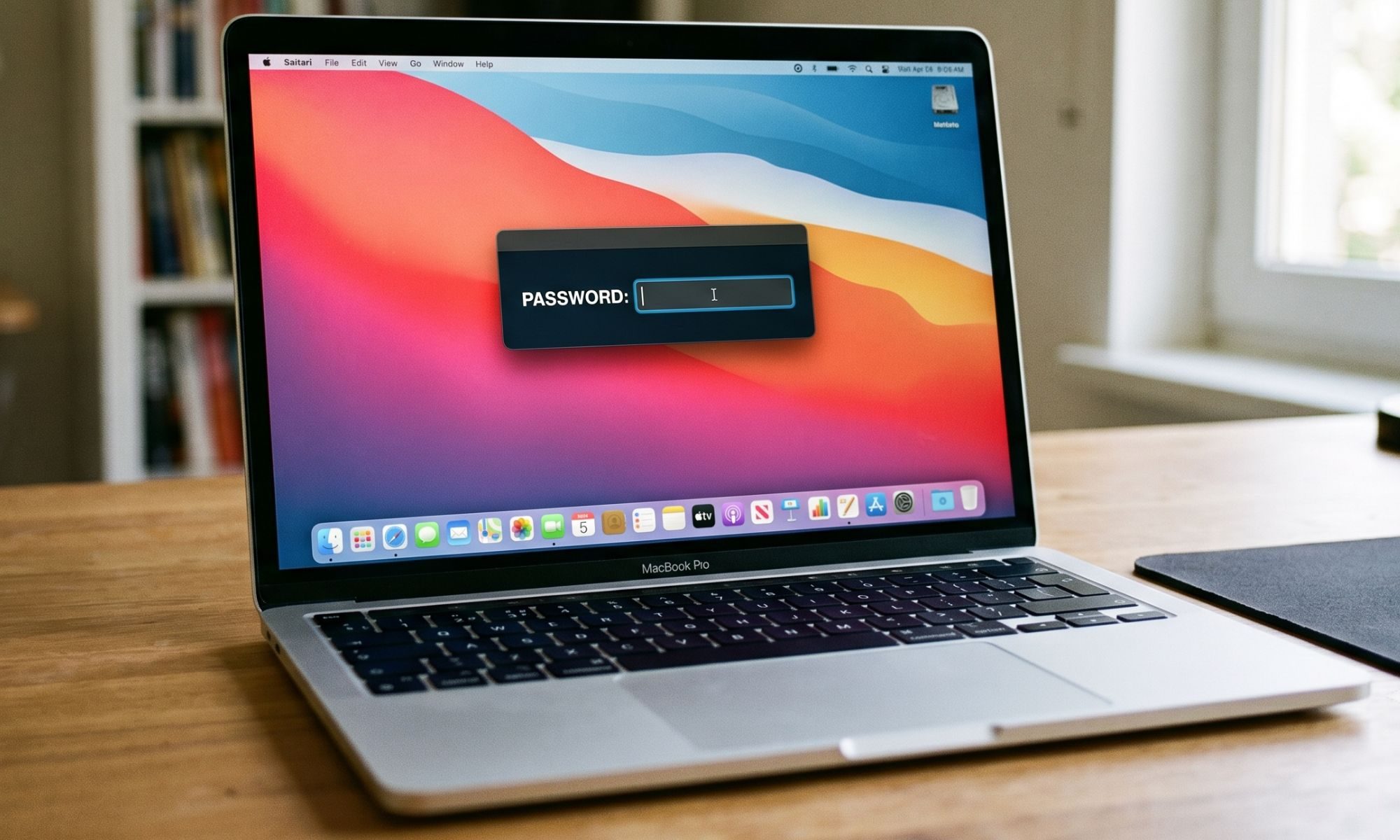
A newly discovered strain of macOS malware is taking social engineering to an unsettling new level. Instead of exploiting a software vulnerability or silently stealing information in the background, it simply refuses to let you use your Mac until you type in your login password.

Dubbed ClickLock, the malware repeatedly shuts down key macOS processes, disables notifications, displays convincing Apple password prompts, and effectively traps users in a loop that only ends when the correct password is entered. Once that happens, it doesn't just steal the password. It goes after browser data, cryptocurrency wallets, saved credentials, password managers, and much more.

Read more
1Password lets Claude inside your accounts without handing over the keys
Claude can now sign in on your behalf while your password stays hidden, though trusting it after login is a separate decision
1Password official

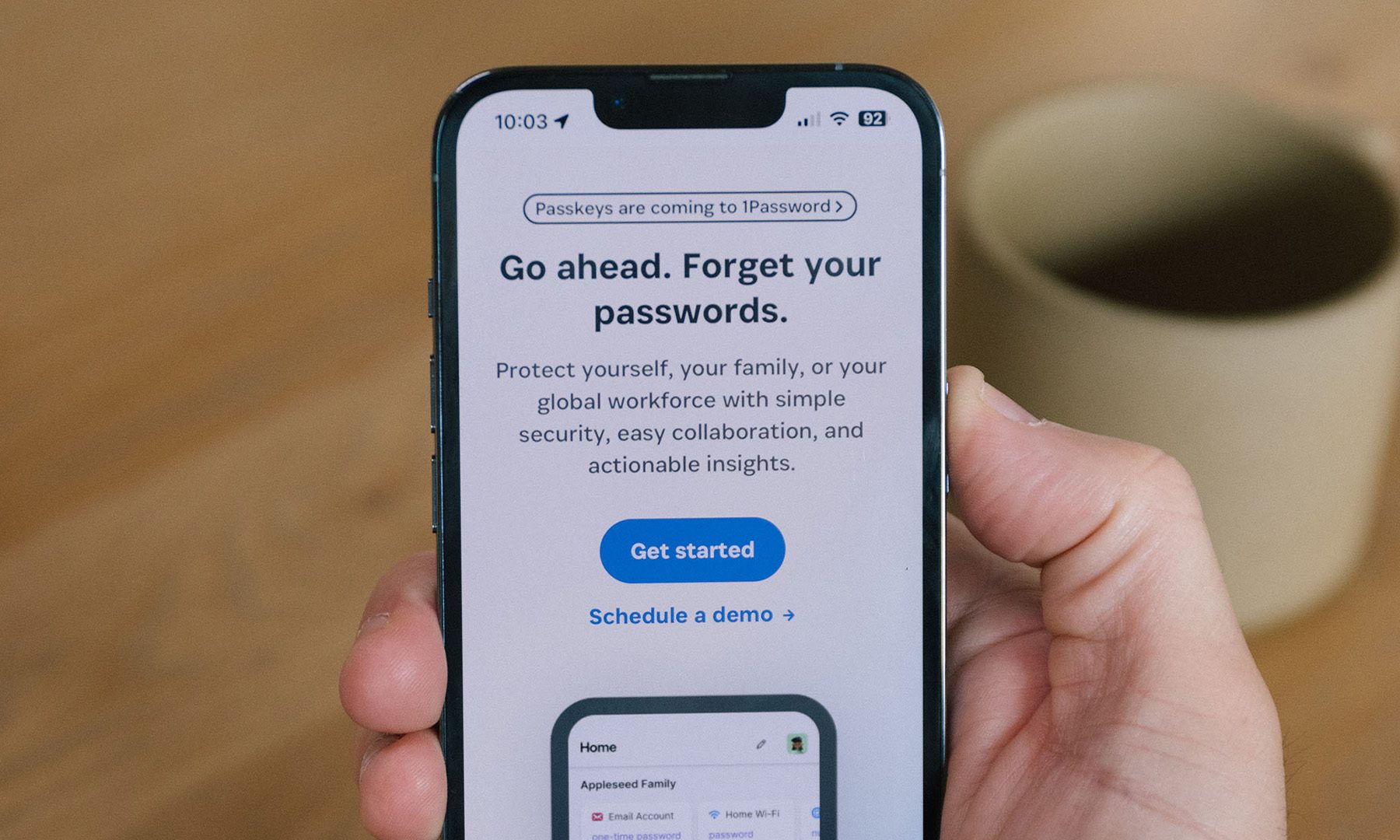
1Password is giving Claude a way into your online accounts without making your passwords part of the bargain. The new 1Password for Claude integration can fill login details while keeping the credentials hidden from Anthropic’s AI agent.

Available now on Mac, the feature kicks in when Claude reaches a sign-in page during a task. Claude requests a saved login, then you approve or deny it. If approved, 1Password submits the credentials through a separate encrypted channel. Passwords and one-time codes never enter Claude’s context or Anthropic’s systems.

Read more