According to the manufacturer’s website, Asus’ flashy, limited-edition Zenbook 30 Edition laptop is now available for pre-order. The device, which celebrates the company’s 30 years of business in the desktop and mobile OEM space, features a complete bevy of all of Asus’ premium design and functional elements, including its razor-thin NanoEdge bezels, a behemoth 1TB solid-state storage drive, an Intel Core i7 processor, and 16GB of RAM.
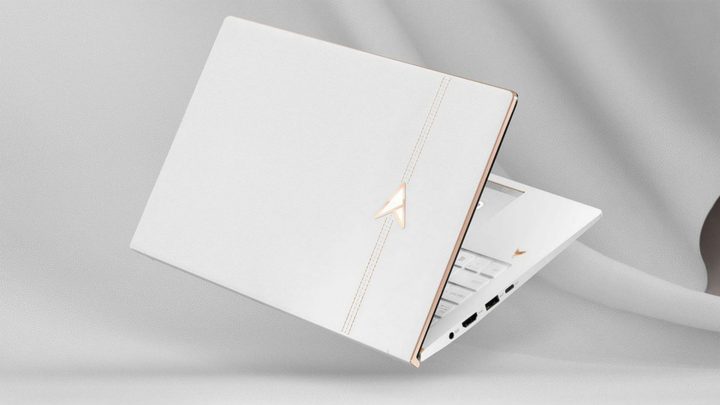
On top of impressive engineering and internals, the super-flagship Zenbook boasts a few unique design choices, such as the white leather-bound body and the 30th-anniversary logo (which many have noted bears striking similarity to the Starfleet logo from Star Trek), as well as the ScreenPad trackpad secondary display Asus is trying to drum up excitement for. All of this comes bundled in a compact frame with a 13-inch Full HD display for $1,399.
The leather chassis is, in itself, a bold statement, as it has been tried sporadically to very little fanfare. HP made a similar gambit not long ago and was not able to make much of a splash, either. Less daring, but more likely to impress, is the Zenbook 30 Edition’s incorporation of its ScreenPad trackpad-based display. This piece of hardware allows for a contextual display of icons right in the trackpad to put certain app-specific settings in easy reach.
The ScreenPad is only one among Asus’ ranks of experimental secondary screens, with the other major example being the much larger one on board the Zenbook Pro Duo. By putting two competing secondary screen designs on the market at the same time, Asus is seriously investing time and resources in seeing where consumer preferences lie, not to mention risking a potential sales hit if one heavily outperforms the other.
Asus is not alone in pursuing a secondary screen, though, as Lenovo’s Yoga Book goes a step further and omits a traditional keyboard entirely. Reviews of that device, however, have been unenthusiastic, so there is room for Asus to establish itself as a standout secondary screen vendor. Regardless of the ultimate format that wins over consumers, it seems pretty clear from the number of prototypes that are cropping up that secondary screens are on their way in one form or another.
With the exception of the rather workaday FHD screen, the high-end internals and build quality of the Zenbook 30 Edition, combined with the overall positive reception of the Zenbook line generally, make for an alluring device to keep an eye on. Ultimate sales figures will show whether this device is able to extend beyond the Asus diehard fanbase, but whether it does or not, it could help guide trends in Asus’ future offerings in other categories.