1. Home
  2. Computing
  3. News

Windows 10 update to fix Cortana bug breaks some users’ start menus

Add as a preferred source on Google

Another day, another Windows 10 update issue. The problem this time is that a fix rolled out for a Cortana bug has caused further issues of its own, by breaking the start menu of some users.

A few weeks ago there was an issue with the KB4512941 update for Windows 10, which caused some users to see massive spikes in CPU usage by voice assistant program Cortana. Microsoft’s voice assistant has never taken off the way that Alexa or Siri has, but it has limped along as a bundled feature of Windows despite having few passionate users. Microsoft hopes to change that with a standalone version of Cortana that launched in beta in the Microsoft Store in June.

Recommended Videos

That didn’t help users who are stuck with the Cortana bug though, who saw the program eating up as much as 30 to 40% of system resources. There were also reports that Cortana was eating up system RAM as well.
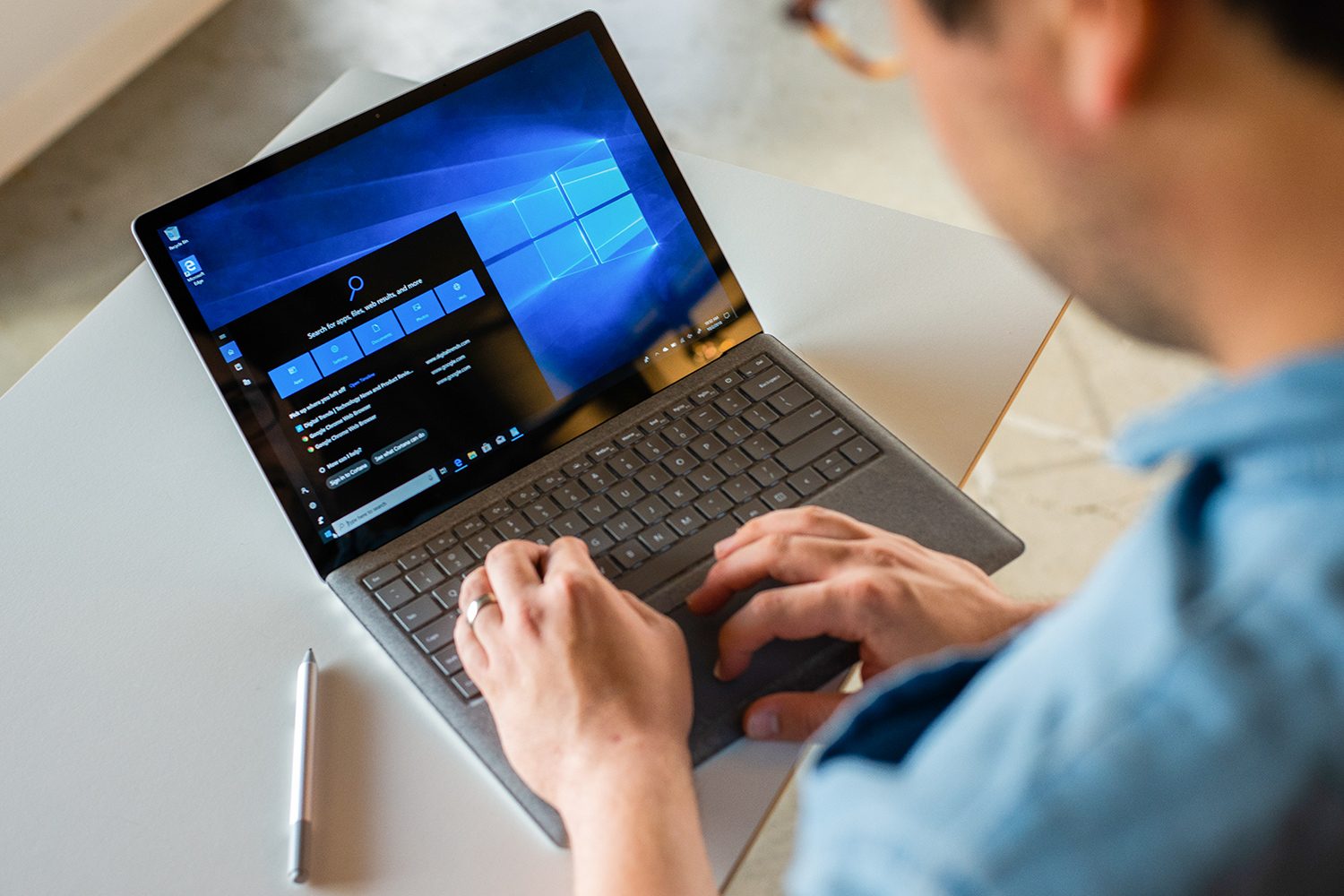
windows 10 october update
Image used with permission by copyright holder

The KB4515384 update released this week was supposed to fix the Cortana bug. Microsoft described the fix in the release notes, referring to SearchUI.exe (the application name for Cortana) and saying the update “Addresses an issue that causes high CPU usage from SearchUI.exe for a small number of users.” The update also included protections against security vulnerabilities and security updates for the Microsoft Edge browser and other applications.

However, the update itself has caused more problems. As reported on TechRadar, users on Reddit have been complaining about an error message caused by the update. Some users have found that the update causes their start menu to stop working, with a critical error message saying “Your Start menu isn’t working. We’ll try to fix it the next time you sign in.”

Users on Reddit have suggested fixes for the start menu issue, including creating a new local account and deleting the old user profile. There’s also a suggested fix which uses a registry edit, but be careful changing the registry unless you know what you’re doing.

Reddit user CptBrian suggests locating the HKEY_CURRENT_USER\Software\Microsoft\Windows\CurrentVersion\Search folder and finding the CortanaConsent entry. Then change the value for this entry from 0 to 1.

Microsoft is apparently aware of the issue and is working on a fix.

Georgina Torbet
Georgina has been the space writer at Digital Trends space writer for six years, covering human space exploration, planetary…
Apple will finally stop making iPhone-to-Windows copy-paste such a chore
Your iPhone may finally copy and paste with a Windows PC like it should
Apple Universal Clipboard feature

Copying something on an iPhone and pasting it onto a Windows PC should be one of the least remarkable features imaginable. While this simple process seems effortless between an iPhone and Mac, Windows users are still left waiting.

Now, Microsoft is formally asking Apple to provide interoperable clipboard access through the company’s European Union interoperability process. The request, submitted on March 25, argues that iOS restrictions prevent third-party platforms from creating an experience comparable to Apple’s Universal Clipboard. Apple has now reached Phase III and committed to developing a solution.

Read more
Chrome wants more extension reviews, but good ratings won’t keep malware out
Google is testing built-in extension review prompts, but good ratings can still hide malware
malicious-google-chrome-extensions-on-web-store

Google is preparing to add extension review links directly inside Chrome, putting feedback closer to the menus people already use to manage their add-ons.

A Chromium change, first spotted by Windows Report, points to review options in the Extensions menu, the chrome://extensions management page, and extension context menus. Only eligible Chrome Web Store extensions in good standing would qualify, and the feature is still under development.

Read more
Passkeys were pushed as a safer future. Hackers have figured out ways to break those synced to Google
Google’s “uncopyable” passkeys may be easier to steal than promised
google-lawsuite-AI-Scams

Passkeys have been pushed as the safer successor to passwords. It promised protection from phishing, credential reuse, and password leaks. Google even claims that it cannot be copied or accidentally handed to someone else. But it might not be as secure as the company wants it to be.

Security researchers (Via BleepingComputer) have now found three ways malware can undermine those promises for passkeys synced through Google Password Manager. The techniques, collectively named Pass-ta-key, target Google Password Manager inside Chrome on Windows computers equipped with a Trusted Platform Module. Every attack requires malware to already be running on the victim’s computer.

Read more